
Trauma Informed Practice Training for Growth & Healing
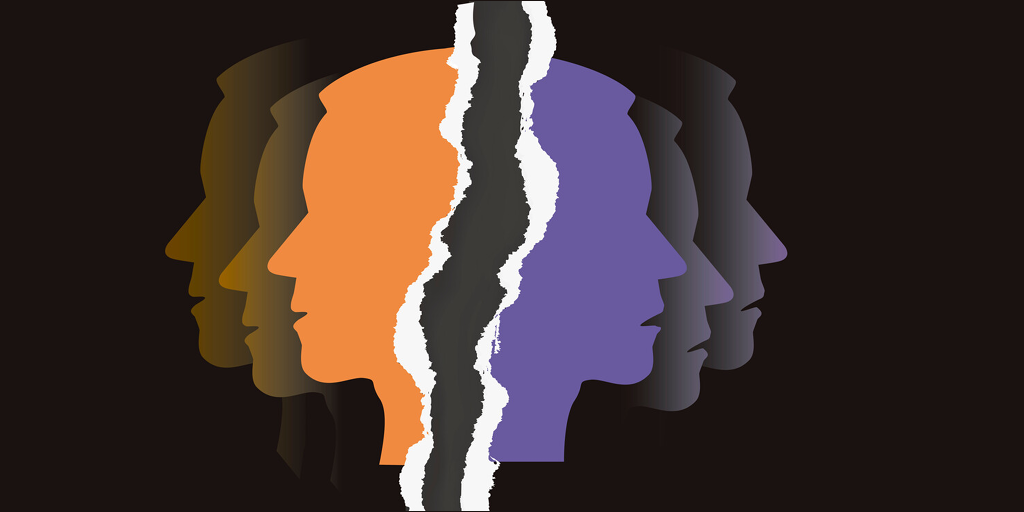
Trauma affects more people than we realize, shaping behavior, learning, and relationships. From classrooms to workplaces, the impacts of trauma often show up in ways that challenge both individuals and communities. That is where trauma informed practice training becomes a powerful tool. It equips leaders, educators, and organizations to respond with empathy, understanding, and effective strategies that support healing.
In this article, we’ll explore what trauma informed practice training is, why it matters, and how it empowers people to create safe, supportive environments.
What is Trauma Informed Practice Training?
At its core, trauma informed practice training teaches people to recognize the signs of trauma and to adjust their approach to interactions, learning, and leadership accordingly. Trauma doesn’t always come from one event—it can result from long-term stress, instability, or even generational patterns that pass through families and communities. Understanding these roots helps practitioners avoid making quick judgments about someone’s behavior and instead respond with patience and empathy.
Instead of asking “What’s wrong with you?” trauma informed practice shifts the question to “What happened to you?” This small but profound change builds compassion and avoids retraumatizing individuals who may already feel vulnerable. By learning these perspectives, professionals can reshape their practices to encourage trust, safety, and growth for everyone involved.
Why Trauma Informed Practice Training Matters
When trauma goes unrecognized, its effects often spill into every aspect of life. In schools, a student might act out or withdraw, making it harder to learn. In workplaces, an employee may struggle with focus, productivity, or relationships with colleagues. Without awareness, these behaviors are often misinterpreted as laziness, disobedience, or lack of ability, which can further isolate the individual.
By participating in trauma informed practice training, professionals learn strategies that help them respond more effectively. They can create safe spaces for communication, build trust and consistency, and recognize triggers that may cause stress or harm. This awareness not only helps the individual but also strengthens the entire environment, whether it’s a classroom, office, or community setting. Over time, these strategies contribute to healthier relationships, stronger teams, and improved long-term outcomes.
How Trauma Informed Training Builds Stronger Communities
The ripple effect of trauma informed approaches extends far beyond individuals. When educators, leaders, and professionals apply these principles, they reshape systems and organizations to better serve everyone. A school that embraces these practices sees improvements in attendance, reduced disciplinary actions, and stronger engagement from students who feel supported and understood. Workplaces experience higher employee satisfaction, lower turnover, and a more collaborative spirit among staff members.
Organizations such as akoben.org highlight the importance of weaving trauma informed principles into leadership development. Their work demonstrates that healing-centered approaches are not limited to individual healing but can create lasting cultural shifts across institutions. By embracing these strategies, communities can become more resilient, supportive, and prepared to face challenges together.
Training with Akoben Institute
One of the organizations leading this movement is the Akoben Institute. Their approach combines cultural relevance with trauma informed strategies, ensuring that training resonates with diverse communities who bring unique histories, experiences, and strengths. Rather than applying a one-size-fits-all model, their programs consider the lived realities of participants and build on those foundations. This makes the training not only effective but also deeply meaningful to those involved.
Participants in Akoben Institute programs often leave with more than just new knowledge. They gain tools to improve their professional environments, but they also develop a renewed sense of purpose and connection to their communities. The institute emphasizes that healing and empowerment go hand in hand, and that true change happens when people feel seen, heard, and valued. This balance of cultural awareness and trauma informed principles is what sets their work apart and makes it so impactful.
The Role of Leaders in Trauma Informed Practice
Leaders play a central role in creating environments that are safe, compassionate, and healing-centered. It is not just about managing people but about shaping systems that allow every individual to thrive. Leaders who commit to trauma informed practices learn to model calm communication, build policies that prioritize emotional safety, and encourage reflection within their teams. These shifts have the power to transform entire organizations from the top down.
As Iman Shabazz has emphasized through his work, leadership grounded in trauma awareness is essential for building resilience and driving meaningful change. A leader who understands the effects of trauma can respond with patience and empathy instead of frustration or punishment. This creates a culture where people feel supported, which leads to stronger loyalty, higher morale, and greater overall success. Leaders who embody these practices inspire those around them to adopt the same mindset, creating ripple effects that extend throughout the community.
Key Components of Trauma Informed Practice Training
While every program may differ slightly, most trauma informed training covers several essential areas. First is understanding trauma itself—its causes, its definitions, and its long-term impact on brain development, learning, and emotional well-being. Next is the ability to recognize signs of trauma, which may show up in behavior, emotions, or patterns of interaction. Without this awareness, many people slip through the cracks without ever receiving the support they need.
Another key component is learning how to create safe environments where trust and consistency are prioritized. Participants also learn strategies to avoid retraumatization—changing practices that may unintentionally cause harm or reinforce negative experiences. Finally, building resilience is a central goal, ensuring that individuals and communities can not only survive trauma but also thrive beyond it. Together, these components give professionals the confidence to support those in need and to strengthen the systems they operate within.
Benefits of Trauma Informed Training
The benefits of trauma informed practice training extend far beyond immediate outcomes. For individuals, it can mean improved confidence, greater emotional safety, and the ability to focus on personal growth. For organizations, it creates stronger collaboration, reduced conflict, and better overall performance. Communities as a whole benefit from greater empathy, stronger inclusion, and long-term resilience against future challenges.
When trauma informed practices are widely adopted, they begin to shape the culture itself. People become more patient, more supportive, and more willing to understand others instead of judging them. This cultural shift has the power to break cycles of harm and create opportunities for healing that last for generations. In this way, trauma informed training is not just about individuals or organizations but about building a healthier society.
Implementing Training Effectively
Implementation is one of the most important steps in trauma informed practice. Training should not be viewed as a single event but as an ongoing process of learning, reflection, and integration. Organizations that succeed often schedule regular workshops, provide refresher sessions, and encourage teams to continue applying what they’ve learned in real-world settings.
Leaders can strengthen this process by embedding trauma informed principles into policies and structures, ensuring that the changes last over time. Peer networks and coaching programs can also provide valuable support, giving participants a space to share experiences, challenges, and successes. By celebrating progress and recognizing resilience within teams, organizations reinforce the idea that trauma informed practice is not just theory—it’s a way of living and working together.
Conclusion: Moving Toward a Healing Future
Trauma informed practice training is more than a professional development program—it’s a movement toward healing, resilience, and empowerment. By recognizing the impact of trauma and adjusting our approaches, we create environments where people can grow, thrive, and feel truly supported.
Organizations such as the Akoben Institute and thought leaders like Iman Shabazz continue to pave the way, showing us that with compassion and knowledge, change is possible. Whether in schools, workplaces, or communities, trauma informed practices can transform lives and shape a better future for everyone.

 English
 French
 Spanish
 Portuguese
 Deutsch
 Turkish
 Dutch
Dutch
 Italiano
 Russian
 Romaian
 Portuguese (Brazil)
 Greek
Greek