
Environmental Risks of Delaying Septic Tank Repairs
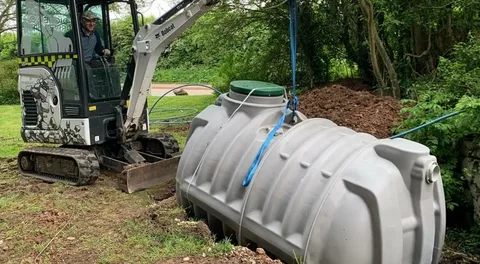
A septic system is more than just a household convenience; it plays a crucial role in protecting the environment. Ignoring repairs or delaying maintenance can have serious consequences beyond your property. In this blog, we explore the environmental risks associated with neglected septic tanks and why timely professional intervention is essential.
How Leaks Affect Soil and Water
Septic tanks are designed to treat wastewater and prevent harmful contaminants from entering the surrounding soil. When a tank develops leaks or cracks, untreated sewage can seep into the ground. This not only compromises the efficiency of the system but also contaminates soil with bacteria, chemicals, and other pollutants.
Groundwater contamination is another serious concern. Many homes rely on wells or local aquifers for drinking water, and untreated wastewater can introduce pathogens and nitrates that pose health risks. Delaying septic tank repairs increases the likelihood of these contaminants spreading, potentially affecting the broader community.
Damage to Vegetation and Wildlife
Leaks and overflows from septic systems can create overly wet areas in yards, which may initially appear as unusually lush grass. However, these conditions are often the result of excess nutrients and harmful bacteria in the soil. Over time, this can damage local vegetation and disrupt the balance of the ecosystem.
Wildlife can also be affected. Animals coming into contact with contaminated soil or water can carry pathogens further, spreading disease. By addressing septic tank issues promptly, homeowners help maintain a safe environment for both plants and animals.
The Role of Bacterial Imbalance
Septic tanks rely on natural bacterial activity to break down waste. When repairs are delayed, the balance of these bacteria can be disrupted. Excessive buildup of solids or infiltration of foreign chemicals can reduce bacterial effectiveness, causing untreated wastewater to accumulate.
This not only threatens the immediate environment but can lead to foul odors, surface pooling, and further system damage. Professional repair restores proper flow and bacterial balance, mitigating these environmental hazards.
Consequences for Nearby Water Sources
Nearby streams, ponds, or lakes are particularly vulnerable to untreated wastewater. Nutrient-rich effluent from a failing septic system can lead to excessive algae growth, also known as eutrophication. This process depletes oxygen in the water, harming fish and aquatic plants.
Additionally, pathogens from untreated sewage can make water unsafe for recreational use or local wildlife. Homes with neglected septic systems inadvertently contribute to these problems, highlighting the importance of timely repairs.
Why Timely Repairs Protect the Environment
Repairing a septic system promptly prevents untreated wastewater from escaping into the soil and water. Professionals address leaks, cracks, and blockages, ensuring that wastewater is properly filtered and absorbed. For homeowners in Calgary, using a Septic Tank Repair Solution guarantees that repairs are done safely and effectively.
Timely intervention not only protects the immediate property but also safeguards the surrounding ecosystem. Properly functioning systems prevent contamination, preserve vegetation, and maintain clean water sources for the community.
Long-Term Environmental Benefits
Maintaining a septic system has benefits that extend far beyond the home. A well-functioning tank prevents nutrient overload in the soil, reduces the spread of pathogens, and minimizes the risk of harmful chemicals entering groundwater. Over time, this contributes to healthier gardens, safer drinking water, and a balanced ecosystem.
Homeowners who schedule regular inspections and repairs play an active role in environmental conservation. Each small action, such as repairing a leak or pumping the tank on schedule, has a measurable impact on reducing environmental hazards.
Reducing Health Hazards
Delaying septic repairs doesn’t only threaten the environment; it can also affect human health. Contaminated soil or water can lead to gastrointestinal illnesses and other infections. Children, pets, and elderly individuals are especially vulnerable. By addressing septic issues promptly, homeowners reduce the risk of exposure to harmful bacteria and maintain a safer living environment.
Professional repairs also include thorough cleanup and testing to ensure that the system is operating efficiently, further reducing potential health risks.
Practical Steps for Homeowners
Property owners can take proactive steps to minimize environmental risks. Regular inspections, avoiding the disposal of chemicals or non-biodegradable items, and limiting excessive water usage all help maintain the system’s effectiveness. Routine maintenance ensures that minor issues do not evolve into environmental hazards.
Relying on professional septic services for repairs ensures that all work is completed to standard, protecting both the property and the surrounding ecosystem.

 English
 Arabic
 French
 Spanish
 Deutsch
 Turkish
 Dutch
Dutch
 Italiano
 Russian
 Romaian
 Portuguese (Brazil)
 Greek
Greek