
The Role of Nutrition in Managing Pyoderma
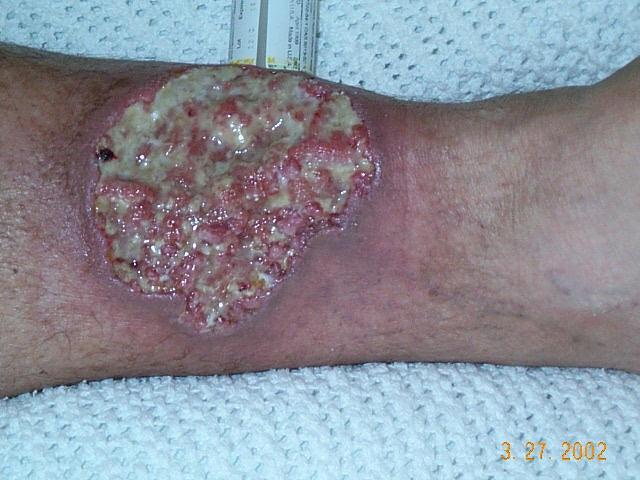
Pyoderma refers to a group of bacterial skin infections characterized by pustules, erosions, crusting, and inflammation. It commonly affects children, older adults, and individuals with compromised skin barriers or immune function.
While pharmacologic therapy most often systemic or topical antibiotics remains the cornerstone of treatment, nutrition plays a meaningful adjunctive role in managing pyoderma, supporting immune defense, promoting skin repair, and reducing recurrence risk.
A comprehensive approach that integrates appropriate medical care with targeted nutritional strategies can improve outcomes and overall skin health.
Understanding Pyoderma and Its Management
Pyoderma is typically caused by Staphylococcus aureus and Streptococcus pyogenes. Management focuses on eradicating the causative organism, reducing inflammation, and restoring skin integrity.
In moderate to severe cases, clinicians may prescribe oral antibiotics, while mild cases may respond to topical therapy and hygiene measures. In parallel, addressing host factors such as nutritional status is essential, particularly in recurrent or slow-healing disease.
Nutrition does not replace antibiotics when indicated, but it can enhance the body’s ability to respond to infection and heal damaged tissue. Malnutrition, micronutrient deficiencies, and diets high in ultra-processed foods are associated with impaired immunity and delayed wound healing, both of which can exacerbate pyoderma.
Protein: Foundation for Skin Repair
Adequate protein intake is fundamental to skin health and immune competence. Proteins supply amino acids necessary for collagen synthesis, keratin production, and the formation of immune mediators such as antibodies and cytokines. Individuals with insufficient protein intake may experience delayed epithelialization and prolonged inflammation, increasing susceptibility to secondary infections.
High-quality protein sources include lean meats, poultry, fish, eggs, dairy products, legumes, and soy. In patients with increased needs such as those with extensive skin involvement clinicians may recommend modestly higher protein intake to support tissue repair.
Essential Fatty Acids and Inflammation Control
Dietary fats, particularly essential fatty acids, influence inflammatory pathways and skin barrier function. Omega-3 fatty acids (found in fatty fish, flaxseed, chia seeds, and walnuts) have anti-inflammatory properties that may help modulate excessive inflammatory responses associated with skin infections. Omega-6 fatty acids are also necessary for skin health, but balance is critical; excessive intake without adequate omega-3s may promote inflammation.
Incorporating sources of healthy fats can support the lipid matrix of the skin, improving barrier integrity and reducing transepidermal water loss an important consideration in preventing bacterial entry.
Vitamins Supporting Immunity and Healing
Several vitamins play specific roles in immune function and skin repair:
-
Vitamin A is involved in epithelial cell differentiation and immune regulation. Deficiency can impair barrier integrity and increase infection risk.
-
Vitamin C is essential for collagen synthesis and acts as an antioxidant. It also supports leukocyte function and wound healing.
-
Vitamin D influences innate immunity and antimicrobial peptide production in the skin. Low vitamin D status has been associated with increased susceptibility to skin infections.
-
Vitamin E contributes antioxidant protection, helping to limit oxidative damage during inflammation.
A diet rich in fruits, vegetables, whole grains, nuts, and seeds generally provides these vitamins. Supplementation should be individualized and guided by healthcare professionals.
Minerals: Small Nutrients, Significant Impact
Key minerals also contribute to managing pyoderma:
-
Zinc is critical for immune cell function, protein synthesis, and wound healing. Zinc deficiency is well known to cause dermatitis and impaired immunity.
-
Iron supports oxygen transport and immune responses, though excess iron can promote bacterial growth; balance is essential.
-
Selenium functions as an antioxidant and supports immune regulation.
Ensuring adequate mineral intake through diet or supplementation when deficiencies are documented can enhance recovery and reduce recurrence.
The Gut Skin Axis and Probiotics
Emerging evidence highlights the gut skin axis, wherein gut microbiota influence systemic immunity and skin inflammation. Diets high in fiber and fermented foods may promote a healthy microbiome, indirectly supporting skin defenses. Probiotic-rich foods such as yogurt, kefir, sauerkraut, and other fermented vegetables may help maintain microbial balance, particularly during or after antibiotic therapy.
While probiotics are not a primary treatment for pyoderma, they may reduce antibiotic-associated dysbiosis and support immune resilience.
Hydration and Skin Integrity
Adequate hydration supports skin elasticity, circulation, and nutrient delivery to tissues. Dehydration can compromise barrier function and delay healing. Encouraging sufficient fluid intake is a simple yet often overlooked aspect of supportive care.
Nutrition in the Context of Antibiotic Therapy
Antibiotics remain essential in many cases of pyoderma. From a healthcare supply chain perspective, medications such as cephalexin are widely used when clinically appropriate, and their availability through reliable pharmaceutical channels including a cephalexin capsules wholesaler ensures continuity of care. Nutritional considerations during antibiotic therapy include maintaining adequate caloric intake, supporting gut health, and avoiding unnecessary dietary restrictions that could impair recovery.
It is important to emphasize that nutrition complements but does not substitute for prescribed antibiotics. Patients should complete their full course of therapy as directed while optimizing dietary intake to support healing.
Reducing Recurrence Through Lifestyle and Diet
Recurrent pyoderma often reflects ongoing risk factors such as skin trauma, chronic inflammation, metabolic disease, or immune compromise. Long-term dietary patterns that emphasize whole, minimally processed foods can help address these underlying contributors. Reducing excess sugar and refined carbohydrates may also be beneficial, as high glycemic diets are associated with systemic inflammation and impaired immune responses.
Combined with good skin hygiene, management of comorbidities, and appropriate medical follow-up, nutrition-focused interventions can reduce the likelihood of recurrence and improve quality of life.
Conclusion
Nutrition plays a supportive yet significant role in managing pyoderma. Adequate protein, balanced fats, essential vitamins and minerals, proper hydration, and attention to gut health all contribute to immune competence and skin repair.
When integrated with evidence-based medical treatment, including appropriate antibiotic therapy, nutritional optimization can enhance healing, shorten recovery time, and help prevent recurrence. For clinicians, patients, and healthcare stakeholders alike, recognizing nutrition as part of a holistic management strategy offers a practical pathway to better outcomes in pyoderma care.

 English
 Arabic
 Spanish
 Portuguese
 Deutsch
 Turkish
 Dutch
Dutch
 Italiano
 Russian
 Romaian
 Portuguese (Brazil)
 Greek
Greek