
How to Budget for the Cost of AdWords Keywords Monthly
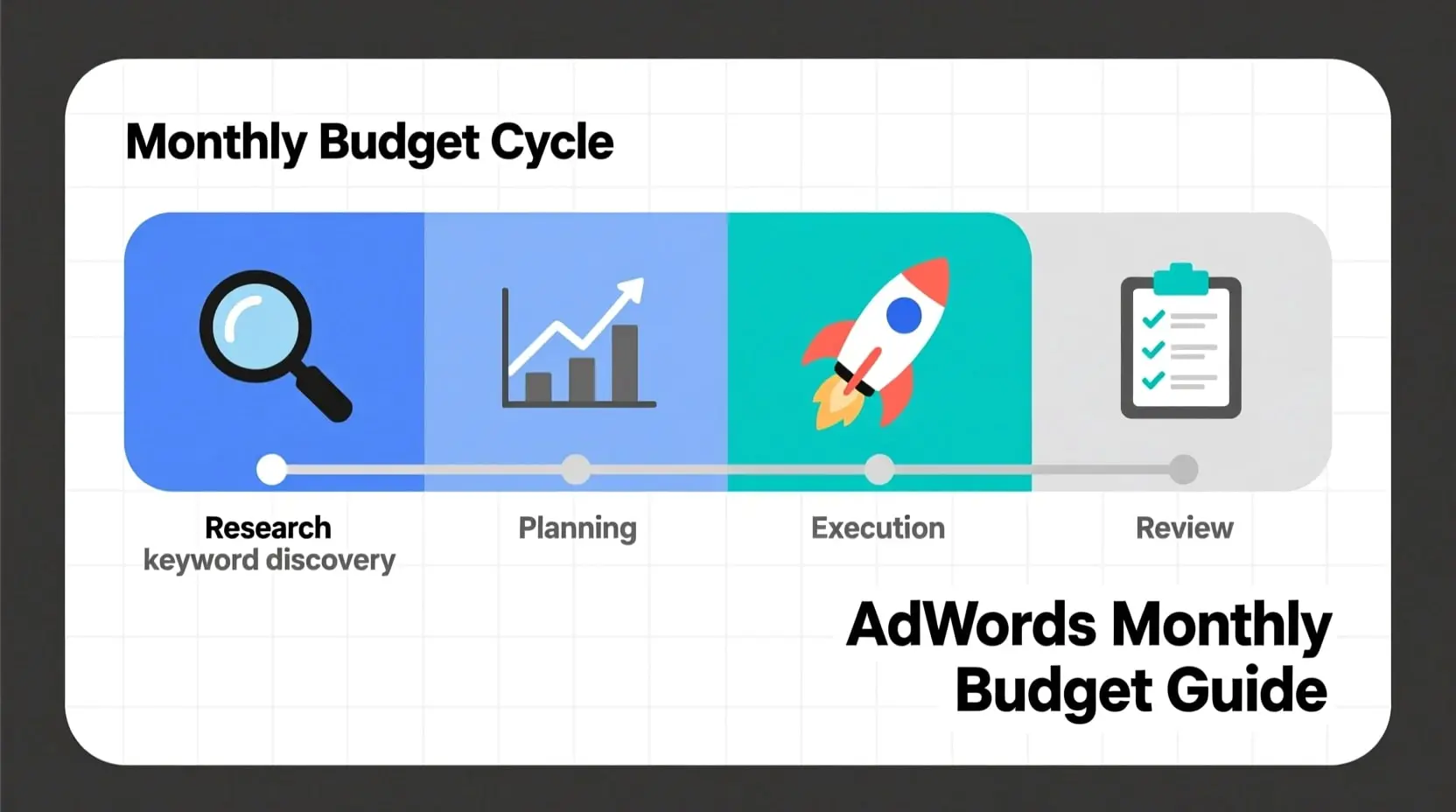
Managing your Google Ads spending effectively requires careful planning, strategic thinking, and a solid understanding of how the platform works. Whether you're a small business owner or a marketing professional, learning to budget for the cost of AdWords keywords can make the difference between a profitable campaign and wasted advertising dollars. Many advertisers struggle with setting realistic monthly budgets because they don't fully grasp the factors that influence keyword pricing and how to optimize their spending for maximum return on investment.
Understanding how to allocate your advertising budget properly ensures that every dollar works toward achieving your business goals. The cost of AdWords keywords varies significantly based on industry, competition, and search intent, making it essential to approach your monthly budget with both flexibility and strategy.
Understanding What Influences the Cost of AdWords Keywords
Before setting your monthly budget, you need to understand what determines how much you'll pay for each click. Google Ads operates on an auction system where advertisers bid on keywords relevant to their products or services. However, the highest bidder doesn't always win the top position.
Quality Score plays a crucial role in determining your actual costs. This metric evaluates your ad relevance, expected click-through rate, and landing page experience. A higher Quality Score can significantly reduce your cost per click while improving your ad position.
Industry competition dramatically affects pricing. Keywords in legal, insurance, and financial sectors often cost between $50 to $100 per click, while retail or entertainment keywords might only cost a few dollars. Researching your specific industry benchmarks helps set realistic expectations for your budget.
Researching Keywords Before Setting Your Budget
Effective budgeting starts with thorough keyword research. Google's Keyword Planner provides estimated bid ranges and search volumes for keywords you're considering. This free tool gives you valuable insights into what you can expect to pay.
Start by creating a comprehensive list of keywords relevant to your business. Include a mix of broad terms, specific phrases, and long-tail keywords. Long-tail keywords typically cost less and often convert better because they capture users with clearer intent.
Analyze competitor strategies using tools like SEMrush or SpyFu. Understanding what keywords your competitors target and their estimated spending helps you identify opportunities and potential challenges in your market.
Calculating Your Monthly Advertising Budget
Determining your monthly budget requires working backward from your business goals. Consider how many leads or sales you need to generate and what each conversion is worth to your business.
Calculate your target cost per acquisition by dividing your acceptable customer acquisition cost by your expected conversion rate. If you can spend $100 to acquire a customer and your landing page converts at 5%, your target cost per click should be around $5.
Multiply your desired number of monthly conversions by your cost per acquisition to establish a baseline budget. Add a buffer of 15-20% for testing new keywords and optimizing campaigns throughout the month.
Allocating Budget Across Campaigns and Keywords
Smart budget allocation prevents overspending on underperforming keywords while maximizing investment in profitable ones. Divide your monthly budget across different campaigns based on priority and expected performance.
Allocate approximately 70% of your budget to proven, high-performing keywords. Reserve 20% for testing new keyword opportunities and expanding your reach. Keep the remaining 10% flexible for seasonal adjustments or capitalizing on unexpected opportunities.
Monitor performance metrics daily during the first few weeks of any campaign. Shift budget from underperforming keywords to those generating strong results. This dynamic approach ensures your money flows toward the most effective keywords.
Setting Daily Budgets and Bid Strategies
Google Ads allows you to set daily budgets for each campaign, which helps control monthly spending. Divide your monthly budget by 30.4 to calculate your daily limit. Remember that Google may exceed your daily budget by up to twice on high-traffic days but won't exceed your monthly allocation.
Choose bid strategies aligned with your goals. Manual CPC bidding gives you complete control but requires constant monitoring. Automated strategies like Target CPA or Maximize Conversions use machine learning to optimize bids but need sufficient conversion data to work effectively.
Start with conservative bids and increase gradually as you gather performance data. This approach prevents budget depletion early in the month while allowing you to identify optimal bid levels.
Monitoring and Adjusting Your Budget Monthly
Regular monitoring ensures your budget remains aligned with campaign performance and business objectives. Review key metrics, including cost per click, conversion rate, and return on ad spend weekly.
Create monthly reports comparing actual spending against budget allocations. Identify patterns in performance fluctuations related to days of the week, times of day, or seasonal trends. Use these insights to refine future budget allocations.
Adjust bids and budgets based on performance data rather than assumptions. Pause keywords that consistently underperform after adequate testing periods. Reinvest those savings into expanding successful campaigns or testing new opportunities.
Tips for Maximizing Your Advertising Investment
Improving Quality Score reduces costs while maintaining ad positions. Focus on creating highly relevant ads that match user search intent. Develop landing pages that deliver on your ad promises and provide excellent user experiences.
Use negative keywords aggressively to prevent wasted clicks from irrelevant searches. Review search term reports regularly and add negative keywords to filter out unwanted traffic.
Consider dayparting to show ads only during hours when your target audience is most active. Geographic targeting helps focus spending on locations where customers are most likely to convert.
Building a Sustainable Long-Term Strategy
Successful advertisers treat their Google Ads budget as an ongoing investment rather than a fixed expense. Plan for gradual increases as you identify profitable keywords and optimize campaign performance.
Document everything you learn about your market and keyword performance. This knowledge becomes increasingly valuable as you refine your approach over time. Building institutional knowledge helps you make smarter budgeting decisions.
Mastering how to budget for the cost of AdWords keywords takes time and experimentation. Start conservatively, track everything meticulously, and adjust based on real performance data. With patience and strategic thinking, you'll develop a monthly budgeting approach that maximizes your return on investment and drives sustainable business growth through paid search advertising.

 English
 Arabic
 French
 Spanish
 Portuguese
 Deutsch
 Turkish
 Dutch
Dutch
 Russian
 Romaian
 Portuguese (Brazil)
 Greek
Greek