
Why Regular Safety Inspections Are Critical for Avoiding Accidents on Construction Sites
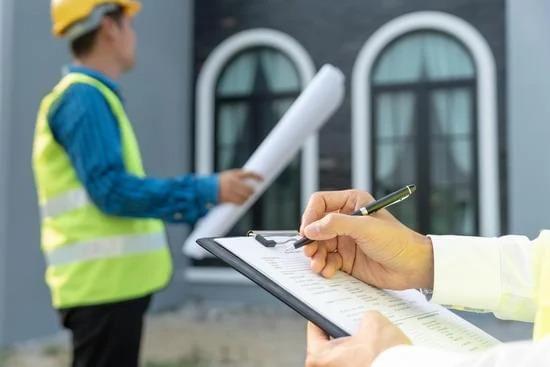
Safety Inspections play a vital role in keeping construction sites safe, organized, and compliant across the United States. Every jobsite contains hidden risks that can quickly turn into serious accidents if ignored. Regular safety inspections help identify hazards early, before injuries, equipment damage, or costly delays occur. These inspections focus on real working conditions, not paperwork alone.
They check tools, equipment, work practices, and site conditions while crews are actively working. When done consistently, safety inspections reduce accidents, improve worker confidence, and support a strong safety culture. For employers, they also help meet OSHA requirements and protect projects from fines, shutdowns, and legal exposure.
What Are Safety Inspections on Construction Sites?
Safety inspections are organized reviews of a construction site to find hazards that could cause injuries or damage. A trained person walks the site, observes tasks, and checks equipment conditions. The focus stays on prevention, not punishment.
Unlike safety audits, inspections look at current conditions. They catch loose guardrails, damaged tools, and unsafe behaviors as they happen. These findings allow teams to act quickly before risks turn into accidents.
Why Safety Inspections Are Essential for Preventing Construction Accidents
Accidents rarely happen without warning. Most start as small, ignored hazards. Safety inspections catch these warning signs early and stop problems from growing.
For example, noticing unstable scaffolding during an inspection can prevent a fall the same day. This proactive approach reduces injuries, limits downtime, and protects both workers and project budgets.
Common Construction Site Hazards Identified During Safety Inspections
Safety inspections often uncover the same hazards across many construction sites. These risks may seem minor at first but can escalate quickly.
Common hazards include fall risks from open edges, electrical dangers from worn cords, poorly maintained machinery, and cluttered walkways. Weather changes and rushed schedules can make these hazards more dangerous within hours.
Who Is Responsible for Conducting Safety Inspections?
OSHA requires safety inspections to be conducted by a competent person. This individual understands construction hazards and has authority to correct unsafe conditions. Site supervisors and safety managers often fill this role.
Some companies also bring in third-party inspectors. External inspections provide fresh perspectives and unbiased feedback, which strengthens overall site safety.
Types of Safety Inspections Used in Construction
Construction projects rely on several types of safety inspections depending on risk level and project phase. Each inspection serves a specific purpose.
|
Inspection Type |
Purpose |
|
Routine inspections |
Identify daily hazards |
|
Comprehensive inspections |
Review the full safety program |
|
Focused inspections |
Examine high-risk tasks |
|
Follow-up inspections |
Confirm hazards were fixed |
Using multiple inspection types creates stronger safety coverage.
How Often Should Safety Inspections Be Conducted on Construction Sites?
Most experts recommend weekly Safety Inspections at a minimum. High-risk work, such as steel erection or excavation, often requires daily checks.
Inspection frequency also changes when new phases begin. As the site evolves, hazards change. Regular inspections keep safety aligned with current conditions.
What Happens When Safety Violations Are Found During Inspections?
When inspectors find violations, they document the issue clearly. This record helps track risks and prioritize corrections. Action follows quickly. OSHA training online can be used to ensure workers are properly educated on safety protocols and prevent future issues.
Supervisors develop corrective plans, workers receive guidance, and unsafe equipment is removed from service. Follow-up inspections ensure fixes remain effective.
Benefits of Regular Safety Inspections for Construction Companies
Regular Safety Inspections reduce injuries and improve worker confidence. When employees see safety taken seriously, morale rises and engagement improves.
Companies also benefit financially. Fewer accidents mean lower insurance costs, fewer delays, and reduced legal exposure. Safety becomes a competitive advantage.
Best Practices for Conducting Effective Safety Inspections
Effective inspections rely on consistency and communication. Clear checklists keep inspections focused, while open dialogue encourages worker input.
Best practices include scheduled inspections, simple reporting, fast corrective action, and reviewing inspection trends over time. These habits turn inspections into long-term improvements.
Conclusion: How Safety Inspections Help Build Safer Construction Sites
Safety Inspection plans protect people first. By identifying risks early, construction teams prevent injuries and avoid costly disruptions.
When inspections become routine, safety becomes culture. That shift leads to fewer accidents, stronger teamwork, and safer construction sites nationwide.
Faq
1. What are safety inspections?
Safety inspections are routine checks that identify hazards and unsafe conditions before accidents happen.
2. Why are safety inspections important on construction sites?
They help prevent injuries, ensure OSHA compliance, and protect workers from avoidable risks.
3. How often should safety inspections be done?
Most construction sites require weekly inspections, with daily checks for high-risk activities.
4. Who is responsible for safety inspections?
A competent person such as a supervisor, safety manager, or trained inspector conducts them.
5. What happens if a hazard is found during an inspection?
The issue is documented, corrected quickly, and reviewed again during follow-up inspections.

 English
 Arabic
 French
 Spanish
 Portuguese
 Turkish
 Dutch
Dutch
 Italiano
 Russian
 Romaian
 Portuguese (Brazil)
 Greek
Greek