
Custom Labels: Materials, Printing Techniques, and Technical Quality Explained
Introduction to the Technical Side of Custom Labels
While design and branding often get the most attention, the technical side of custom labels is equally important. A label must perform well under real-world conditions such as handling, storage, moisture, and temperature changes. Choosing the wrong material or printing method can result in peeling, fading, or damage, which negatively affects brand image.
Understanding the materials, adhesives, and printing techniques behind custom labels helps businesses create packaging that looks professional and lasts throughout the product’s lifecycle.
Understanding Label Materials
Label material is the foundation of durability and appearance. Different products require different materials based on how and where they are used. Paper labels are commonly used for dry products and short-term applications. They are cost-effective and offer a natural look but are less resistant to moisture and wear.
Synthetic materials are widely used in commercial labeling. These include polypropylene and vinyl-based options, which are known for strength and flexibility. Synthetic materials resist water, oil, and tearing, making them suitable for cosmetics, beverages, and household products.
Clear materials are another popular option. They create a “no-label” look that allows the packaging to show through, giving products a clean and modern appearance. Kraft-based materials are often chosen for eco-friendly and handmade products due to their natural texture.
Custom Labels for Packaging Durability
Custom labels for packaging must match the packaging environment. Labels on bottles, jars, and containers may face friction during shipping and storage. In refrigerated or frozen conditions, adhesives must remain strong without lifting.
Packaging exposed to oils or chemicals requires labels that resist smudging and staining. Choosing the correct combination of material and adhesive ensures that labels remain intact and readable from production to customer use.
Adhesives and Their Importance
Adhesive quality is one of the most overlooked aspects of labeling. Even the best-looking label fails if it does not stick properly. Permanent adhesives are used when labels are not meant to be removed. They provide strong bonding and long-term stability.
Removable adhesives are used for promotional or temporary labeling. These allow labels to be removed without leaving residue. For wholesale and retail products, permanent adhesives are generally preferred to ensure compliance and branding consistency.
Temperature-resistant adhesives are essential for products stored in cold or hot environments. Matching the adhesive to the application prevents label failure.
Printing Techniques Used in Custom Labels
Printing method plays a major role in label quality. Digital printing is commonly used for short to medium runs. It offers quick turnaround, sharp details, and flexible customization. Digital printing is ideal for brands that frequently update designs or require variable data.
Offset printing is typically used for custom labels wholesale production. It delivers consistent color accuracy and is cost-effective for large volumes. This method is preferred when producing thousands of labels with identical designs.
Flexographic printing is another technique used in high-volume labeling. It is efficient for long runs and works well on a wide range of materials. Each method has its advantages depending on production scale and design requirements.
Finishing Options That Enhance Label Performance
Finishing is not just about appearance; it also protects labels. Lamination adds a protective layer that shields labels from moisture, scratches, and fading. Matte lamination provides a soft and premium feel, while gloss lamination enhances color vibrancy.
Varnish and coating options can also be applied to specific areas of the label to improve durability. Spot finishes highlight brand elements and improve tactile experience, which enhances perceived quality.
How to Make Custom Labels with Technical Precision
Knowing how to make custom labels involves combining design creativity with technical accuracy. Label designs must be prepared in high resolution to avoid pixelation during printing. Bleed and margin settings are critical to ensure clean edges after cutting.
Material and adhesive selection must align with product use conditions. Testing labels before full production helps identify potential issues such as peeling or fading. Professional printing ensures color consistency and proper finishing.
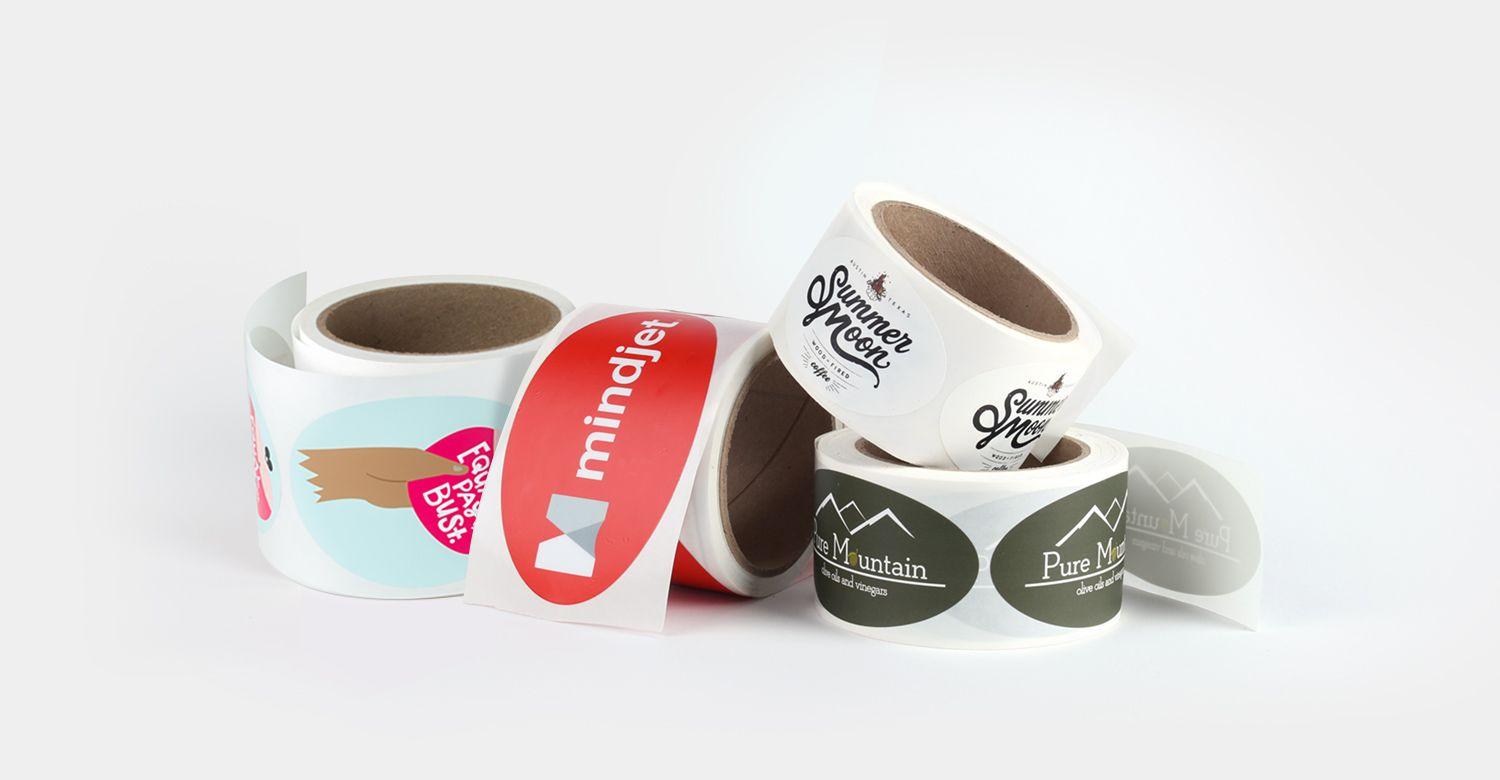
Roll formats are commonly used for automated labeling machines in wholesale environments. Sheet formats are more suitable for small batches or manual application.
Custom Labels Wholesale Quality Control
In wholesale production, quality control is essential. Bulk printing requires strict monitoring to ensure uniform color, adhesive strength, and material consistency. Even minor defects can multiply across thousands of units.
Wholesale label suppliers typically conduct inspections at various stages of production. This ensures that labels meet technical standards and brand requirements.
Environmental Considerations in Label Materials
Sustainability has become an important factor in label material selection. Many brands now choose recyclable materials and eco-friendly adhesives. Water-based inks and biodegradable coatings reduce environmental impact.
Eco-conscious labeling not only benefits the environment but also improves brand perception among modern consumers.
Technical Mistakes to Avoid
Using the wrong material for the application is a common mistake. Another issue is choosing low-quality adhesives that fail under stress. Poor resolution artwork and lack of protective finishing can also reduce label lifespan.
Avoiding these technical mistakes ensures that custom labels perform as intended.
Conclusion
Custom labels are more than visual elements; they are technical components of product packaging. From material selection and adhesives to printing methods and finishing, every detail matters. By understanding the technical aspects of labeling, businesses can create durable, professional, and high-performing labels that protect brand image and support long-term success.

 English
 Arabic
 French
 Spanish
 Portuguese
 Deutsch
 Turkish
 Dutch
Dutch
 Italiano
 Russian
 Romaian
 Portuguese (Brazil)