
LPG Engine: A Complete Guide to Performance, Efficiency, and Benefits
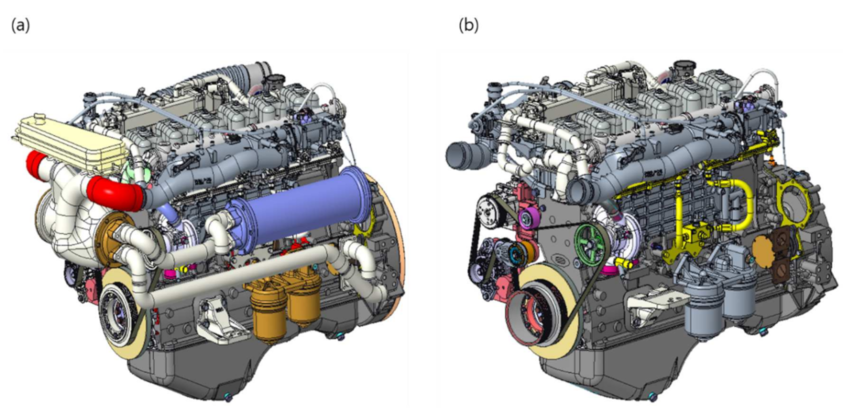
An LPG engine is becoming an increasingly popular choice in vehicles, industrial machinery, and power generation due to its cost efficiency and environmental benefits. LPG, or Liquefied Petroleum Gas, is a clean-burning fuel that offers improved engine life, reduced emissions, and lower operating costs. As fuel prices continue to rise, LPG engines provide a reliable and economical alternative to petrol and diesel engines.
What Is an LPG Engine?
An LPG engine is an internal combustion engine that runs on liquefied petroleum gas instead of conventional fuels like petrol or diesel. LPG is stored in liquid form under pressure and converted into gas before combustion. LPG engines can be factory-fitted or converted from petrol engines using approved conversion kits.
How an LPG Engine Works
The working principle of an LPG engine is similar to a petrol engine. The key difference lies in the fuel delivery system. LPG is stored in a tank, passed through a regulator or vaporizer, and mixed with air before entering the combustion chamber. The LPG engine ignites the air-fuel mixture using spark plugs, producing power efficiently and smoothly.
Types of LPG Engines
Dedicated LPG Engine
A dedicated LPG engine runs exclusively on LPG. These engines are optimized for LPG fuel and deliver better performance and efficiency compared to converted engines.
Bi-Fuel LPG Engine
A bi-fuel LPG engine can operate on both petrol and LPG. The driver can switch between fuels, offering flexibility and convenience.
Dual-Fuel LPG Engine
Dual-fuel LPG engines are commonly used in industrial and commercial applications. They operate on a combination of LPG and another fuel to optimize power output.
Benefits of Using an LPG Engine
Lower Fuel Costs
One of the biggest advantages of an LPG engine is reduced fuel cost. LPG is generally cheaper than petrol and diesel, resulting in significant savings over time.
Environmentally Friendly
An LPG engine produces fewer carbon emissions, nitrogen oxides, and particulate matter. This makes LPG engines a cleaner and more eco-friendly option.
Extended Engine Life
LPG burns cleaner than petrol and diesel, leaving fewer carbon deposits. This helps reduce engine wear and extends the life of an LPG engine.
Reduced Maintenance
Because LPG engines generate less residue, components like spark plugs, valves, and exhaust systems last longer, lowering maintenance requirements.
LPG Engine Applications
LPG engines are widely used across various industries:
-
Automobiles: Cars, taxis, and delivery vehicles
-
Industrial Equipment: Forklifts, generators, compressors
-
Agriculture: Tractors and farming machinery
-
Power Generation: Backup and continuous power systems
The versatility of the LPG engine makes it suitable for both small-scale and heavy-duty applications.
LPG Engine vs Petrol Engine
When comparing an LPG engine to a petrol engine, LPG offers cleaner combustion and lower fuel costs. Petrol engines may offer slightly higher power output, but LPG engines compensate with longer engine life and better emission control. In most urban and commercial settings, an LPG engine proves to be more economical.
LPG Engine vs Diesel Engine
Compared to diesel engines, LPG engines are quieter, produce less smoke, and have lower maintenance costs. Diesel engines may be more powerful for heavy-duty use, but LPG engines are preferred where emissions and noise control are important.
Safety of LPG Engines
Modern LPG engines are designed with advanced safety features, including pressure relief valves, automatic shut-off systems, and leak detection. When installed and maintained properly, an LPG engine is extremely safe for daily use.
Maintenance of an LPG Engine
Regular maintenance ensures optimal performance of an LPG engine. Key maintenance practices include:
-
Checking LPG filters
-
Inspecting fuel lines and valves
-
Monitoring spark plug condition
-
Ensuring proper air-fuel mixture
Timely servicing improves efficiency and prevents performance issues.
LPG Engine Conversion Process
Petrol engines can be converted into LPG engines using certified conversion kits. The process involves installing an LPG tank, vaporizer, injectors, and control unit. Professional installation is essential to ensure safety and compliance with regulations.
Performance of an LPG Engine
An LPG engine delivers smooth acceleration and consistent power output. While there may be a slight reduction in horsepower compared to petrol, the difference is minimal in modern LPG engines. Proper tuning ensures optimal performance.
Cost Effectiveness of LPG Engines
Although the initial cost of converting to an LPG engine may seem high, long-term fuel savings quickly recover the investment. Businesses operating fleets benefit significantly from reduced operational costs.
Environmental Impact of LPG Engines
An LPG engine significantly reduces greenhouse gas emissions and contributes to better air quality. Many countries promote LPG engines as part of clean energy initiatives.
Choosing the Right LPG Engine
When selecting an LPG engine, consider factors such as application, load requirements, availability of LPG, and service support. Choosing the right engine ensures maximum efficiency and durability.
Conclusion
An LPG engine is a cost-effective, eco-friendly, and reliable alternative to traditional fuel engines. With lower emissions, reduced maintenance, and long-term savings, LPG engines are an excellent choice for vehicles, industrial machinery, and power systems. Investing in an LPG engine not only improves performance but also supports a cleaner and more sustainable future.

 English
 Arabic
 French
 Spanish
 Portuguese
 Deutsch
 Turkish
 Dutch
Dutch
 Russian
 Romaian
 Portuguese (Brazil)
 Greek
Greek