
Understanding the Role of a Non GMO Corn Exporter in India: Trends, Standards, and Global Demand
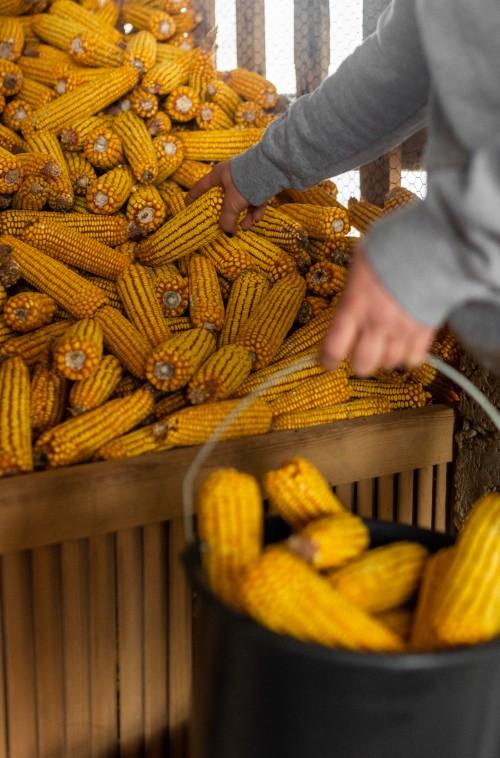
As global consumers become increasingly conscious of the origins and quality of their food, the demand for Non-GMO agricultural products continues to rise. Among them, Non GMO corn stands out as one of the most sought-after commodities due to its versatility, nutritional value, and widespread use in food, feed, and industrial applications. India—known for its diverse agricultural output—has emerged as a notable supplier in this sector, with a growing number of exporters meeting international expectations for purity, sustainability, and compliance.
Understanding the role and responsibilities of a Non GMO corn exporter in India is essential for buyers, processors, and businesses that rely on clean, traceable, non-modified grain sources. This article explores the agricultural context, quality standards, export processes, and industry trends that shape India's Non-GMO corn market.
Why Non-GMO Corn Matters in Today’s Agricultural Landscape
The term Non-GMO refers to crops that are not genetically modified using biotechnology. While GMO crops are widely cultivated in many regions, a substantial segment of consumers and industries prefer non-modified crops due to dietary restrictions, organic labeling requirements, and personal preferences.
Non-GMO corn is valued for:
-
Compatibility with natural and organic food industries
-
Use in livestock feed for specialty or certified meat production
-
Reduced concerns about crossbreeding with genetically engineered crops
-
Potentially lower chemical exposure in specific farming systems
These factors contribute to steadily increasing demand in regions such as Southeast Asia, Europe, and the Middle East—markets where Indian suppliers have established a strong presence.
India’s Role as a Non GMO Corn Producer
India’s agricultural sector has a long tradition of conventional farming practices. While GMO crops have been introduced in the country, corn remains predominantly grown using non-modified seeds in many regions. This natural advantage positions India as a reliable source of Non-GMO corn.
Key producing states include:
-
Maharashtra
-
Karnataka
-
Andhra Pradesh
-
Uttar Pradesh
-
Rajasthan
-
Bihar
Favorable soil conditions, diverse climates, and a large farming population help sustain consistent production. For buyers seeking non-modified crops, this makes India an attractive origin for large-scale procurement.
What a Non GMO Corn Exporter in India Typically Provides
A credible exporter’s role extends beyond sourcing. They work to ensure that the product aligns with international standards and undergoes careful handling from farm to shipment. This includes:
1. Verified Non-GMO Crop Sources
Exporters often work directly with:
-
Contract farmers
-
Rural cooperatives
-
Procurement networks specializing in Non-GMO grains
These partnerships support traceability and ensure crops are grown without genetically engineered seeds.
2. Quality Control and Certification
To maintain Non-GMO integrity, exporters typically employ:
-
Identity preservation systems (IP)
-
Third-party laboratory testing
-
Certification documentation depending on buyer requirements
Testing may include PCR (Polymerase Chain Reaction) analysis to confirm the absence of genetically modified traits.
3. Cleaning, Grading, and Processing
Before shipment, Non-GMO corn often undergoes:
-
Cleaning to remove impurities
-
Grading for size, moisture, and density
-
Fumigation or natural pest-control processes depending on destination regulations
High-quality grain with appropriate moisture levels (usually around 12–14%) ensures better storage and transport stability.
4. Packaging and Export Logistics
Most exporters accommodate:
-
Bulk shipments
-
25–50 kg bags
-
Jumbo bags for industrial clients
They also manage container loading, freight arrangements, customs documentation, and compliance with import regulations at the destination port.
Industry Trends Influencing India’s Non-GMO Corn Export Market
The global agricultural landscape continues to evolve, and several trends influence India's position as an exporter:
1. Rising Global Demand for Clean-Label Products
Consumers increasingly seek transparency in food sourcing. Non-GMO labeling supports this trend, increasing demand from:
-
Health-conscious buyers
-
Natural food manufacturers
-
Organic feed producers
India, with its strong Non-GMO crop base, is well placed to meet these needs.
2. Expansion of Livestock and Poultry Feed Markets
Non-GMO corn is preferred in certain feed categories, including:
-
Cage-free poultry operations
-
Specialty livestock farms
-
Organic or hormone-free meat production systems
These industries value Non-GMO grains for branding and regulatory compliance.
3. Increased Focus on Sustainability
Many Non-GMO farms in India utilize traditional or low-chemical farming methods. While not always fully organic, these systems appeal to environmentally conscious importers. Exporters who support farmers with sustainable practices gain long-term advantages in demanding markets.
4. Emphasis on Traceability and Documentation
Importers now expect:
-
Farm-level traceability
-
Transport monitoring
-
Clear documentation verifying Non-GMO status
Exporters who implement transparent supply chains stand out in competitive markets.
Challenges Faced by Non GMO Corn Exporters in India
While India has a strong agricultural base, exporters must navigate several challenges:
1. Maintaining Identity Preservation
Preventing cross-contamination with GMO grains requires strict handling practices, including:
-
Dedicated storage facilities
-
Segregated transport
-
Controlled processing environments
Any lapse can jeopardize product integrity.
2. Meeting International Quality Standards
Different regions have varying regulations on moisture levels, pesticide residues, and fungal contaminants. Exporters must stay updated to ensure smooth shipments.
3. Climate Variability
Monsoon-dependent agriculture can impact annual corn yields. Exporters often work with diverse sourcing regions to manage weather-related supply fluctuations.
4. Shipping and Logistics Constraints
Freight costs, port delays, and container availability can influence export timelines. Coordinated logistics planning is essential for maintaining product quality.
How Buyers Can Evaluate a Non GMO Corn Exporter in India
Businesses seeking reliable suppliers should consider the following factors:
1. Product Traceability
A good exporter should provide detailed supply-chain transparency from farm to port.
2. Testing and Certification Standards
Look for documentation such as:
-
Non-GMO test reports
-
Moisture and grade analysis
-
Phytosanitary certificates
Third-party testing adds credibility.
3. Export Experience
Exporters with a history of shipments to multiple regions typically understand compliance requirements and handle logistics efficiently.
4. Quality Assurance Practices
Clean facilities, quality monitoring, and standardized packing processes all contribute to product consistency.
5. Responsiveness and Communication
Timely updates, clear communication, and reliable support are essential for long-term partnerships.
The Future of Non-GMO Corn Exports from India
The future outlook for India’s Non-GMO corn export sector is positive. Growing global appetite for natural and transparent food systems, combined with India’s agricultural strength, positions the country as a competitive player. Continued investment in infrastructure, advanced testing, and farmer support will further enhance India’s reputation in the Non-GMO grain market.
For buyers and industries that depend on steady, clean, and verifiable grain supplies, India offers abundant opportunities supported by experienced exporters capable of meeting international expectations.
FAQs About Non GMO Corn Exporter India
1. What makes Indian Non-GMO corn attractive to international buyers?
India produces large quantities of naturally non-modified corn, offering good grain quality, competitive pricing, and traceable sourcing—qualities valued by global food and feed industries.
2. How do exporters ensure the corn is truly Non-GMO?
Exporters typically use identity preservation systems, segregated storage, PCR testing, and certification from accredited laboratories to verify Non-GMO status.
3. Which industries use Non-GMO corn the most?
It is widely used in food processing, livestock feed, starch production, ethanol manufacturing, and natural or organic product lines.
4. What packaging options do Indian exporters offer?
Common options include bulk shipments, 25–50 kg bags, and jumbo bags, depending on the buyer’s needs and regulations of the destination country.
5. How can buyers verify the credibility of an exporter?
Buyers should review certification documents, export history, grain analysis reports, supply-chain transparency, and the exporter’s quality control processes.

 English
 Arabic
 French
 Spanish
 Portuguese
 Deutsch
 Turkish
 Dutch
Dutch
 Italiano
 Romaian
 Portuguese (Brazil)
 Greek
Greek