
The Role of Nutrition in Recovery from Intestinal Amoebiasis
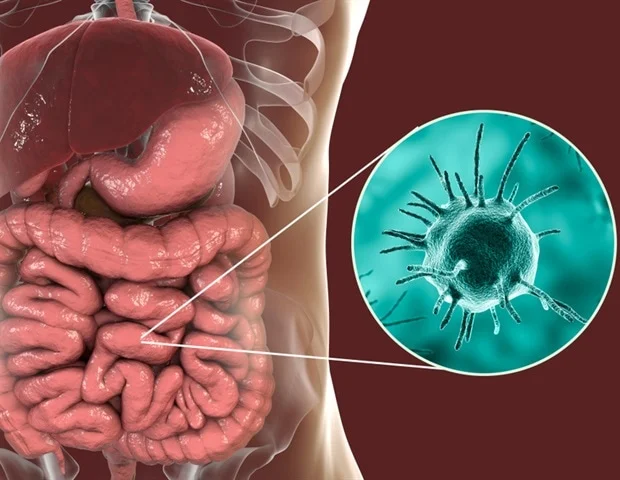
Intestinal amoebiasis, caused primarily by Entamoeba histolytica, is a parasitic infection that often presents with symptoms such as abdominal pain, diarrhea, dysentery, dehydration, and significant nutrient loss.
Although proper medical treatment prescribed and monitored by qualified healthcare professionals is necessary for complete eradication of the parasite, nutrition plays an essential complementary role in accelerating recovery, restoring intestinal health, and rebuilding strength.
Understanding how diet influences healing is crucial for patients, caregivers, and healthcare providers. In addition to medical therapies obtained through legitimate channels such as a pharmacy or mebendazole wholesaler, a supportive nutritional plan can significantly improve patient outcomes.
1. The Impact of Amoebiasis on Nutritional Status
Intestinal amoebiasis affects the body in several ways that directly interfere with adequate nutrition. The parasite damages the lining of the intestine, impairing nutrient absorption and causing inflammation. As a result, individuals may experience malabsorption of essential macro and micronutrients.
Chronic diarrhea leads to the loss of fluids, electrolytes, and water-soluble vitamins. Additionally, the body’s immune response increases metabolic demands, meaning that the patient needs more nutrients at a time when the digestive system is compromised.
Malnutrition can therefore develop quickly, especially in children, older adults, and individuals with weakened immune systems. This makes targeted nutritional support a vital part of the recovery plan.
2. Hydration as a Foundational Step
Rehydration is one of the most important nutritional interventions in amoebiasis recovery. Diarrhea and vomiting can lead to severe dehydration, which, if left untreated, may cause electrolyte imbalances, fatigue, low blood pressure, and complications affecting the heart and kidneys. Oral rehydration solutions (ORS), broth-based soups, and coconut water can help restore both fluids and electrolytes. Patients should drink small, frequent amounts to avoid overwhelming the digestive system.
During acute stages of the infection, when symptoms are pronounced, clear liquids and ORS may be the safest option until the patient can tolerate semi-solid and solid foods again.
3. Restoring Gut Integrity Through Easily Digestible Foods
Once the most severe symptoms subside, introducing bland, low-fiber, easy-to-digest foods can help soothe the irritated intestinal lining. These include:
-
Rice, rice porridge, or congee
-
Boiled potatoes
-
Toast or low-fiber bread
-
Bananas
-
Applesauce
-
Plain yogurt (if tolerated)
This stage of nutritional support is aimed at giving the gut “rest” while still providing energy. These foods are gentle on the digestive tract and can help reduce the frequency of stools.
4. The Role of Probiotics in Rebuilding Intestinal Flora
Amoebiasis disrupts the natural microbiome of the gut, and the medications used to treat the infection can sometimes reduce beneficial bacteria. Probiotics may help restore microbial balance, enhance immune function, and improve digestion. Foods rich in natural probiotics include:
-
Yogurt with live cultures
-
Kefir
-
Fermented vegetables such as sauerkraut or kimchi (introduced cautiously if tolerated)
-
Probiotic supplements recommended by a healthcare provider
By supporting the repopulation of friendly bacteria, probiotics help strengthen the intestinal barrier and may reduce the risk of secondary infections or prolonged digestive issues.
5. Protein for Tissue Repair and Immune Strength
Protein is essential for repairing tissues damaged by inflammation and infection. It also plays a key role in supporting immune function. Once the patient tolerates more substantial foods, introducing lean protein sources can accelerate recovery. Beneficial options include:
-
Skinless chicken
-
Turkey
-
Eggs
-
Tofu
-
Lentils and beans (introduced slowly due to potential gas production)
-
Fish with low fat content
Adequate protein intake helps rebuild damaged intestinal tissues, restores muscle mass lost during illness, and contributes to overall recovery.
6. Micronutrients Crucial for Recovery
Several vitamins and minerals play specific roles in healing from intestinal infections:
Vitamin A: Enhances immunity and supports mucosal integrity
Vitamin C: Reduces inflammation and supports immune defenses
Zinc: Promotes tissue repair and helps reduce the duration of diarrhea
Iron: Needed to treat anemia, which can occur if the infection causes blood loss
Sources of these nutrients include citrus fruits, leafy greens, carrots, sweet potatoes, nuts, seeds, and legumes. In some cases, supplementation may be advised by a healthcare professional especially for zinc and iron but only after medical evaluation, since iron supplementation during acute infection may not be appropriate for everyone.
7. Avoiding Foods that Worsen Symptoms
During recovery, the digestive system remains sensitive, and some foods can irritate the intestine or trigger symptoms such as bloating, cramping, or diarrhea. Common triggers to avoid include
-
High-fat foods
-
Fried foods
-
Spicy or heavily seasoned dishes
-
Caffeine
-
Alcohol
-
High-fiber grains and raw vegetables during early recovery
-
Sugary foods that can ferment in the gut
Foods that promote fermentation, like beans or cabbage, should be reintroduced gradually. Limiting lactose may also help if the patient experiences temporary lactose intolerance a common consequence of intestinal infections.
8. Long-Term Dietary Strategies to Prevent Recurrence
Good nutrition does not end when symptoms disappear. Maintaining long-term gut health reduces the risk of reinfection and strengthens overall immunity. Strategies include
-
Eating a balanced diet rich in fruits, vegetables, lean proteins, whole grains, and healthy fats
-
Continuing probiotic intake to support a resilient microbiome
-
Adequate hydration
-
Practicing safe food handling and hygiene to prevent exposure to contaminated food or water
These habits help fortify the immune system and promote a healthier digestive environment less susceptible to parasitic infections.
9. Integrating Nutrition with Medical Treatment
While nutrition plays a vital role in recovery, it does not replace medical treatment. Anti-parasitic medications are necessary to eliminate E. histolytica from the body. Only a licensed healthcare provider can prescribe the correct treatment plan.
Patients should avoid self-medicating with any anti-parasitic drugs, even if accessible through channels like a pharmacy or a mebendazole wholesaler. Professional guidance ensures safe dosing, monitors side effects, and prevents complications associated with improper use.
Nutrition and medical therapy work best together: medications eradicate the infection, while dietary support rebuilds strength and restores digestive health.
10. Conclusion
Nutrition is a cornerstone of recovery from intestinal amoebiasis. A tailored diet supports hydration, restores intestinal function, reduces the severity and duration of symptoms, and strengthens the immune system. From rehydration and probiotics to protein-rich foods and essential micronutrients, each component plays a role in comprehensive healing.
When combined with appropriate medical treatment, good nutrition helps patients recover more quickly and reduce the risk of long-term complications. By understanding the connection between diet and gut health, individuals can play an active role in their own recovery journey and achieve better overall health outcomes.

 Arabic
 French
 Spanish
 Portuguese
 Deutsch
 Turkish
 Dutch
Dutch
 Italiano
 Russian
 Romaian
 Portuguese (Brazil)
 Greek
Greek