
Commercial Interior Design Services: A Complete Guide for Modern Businesses
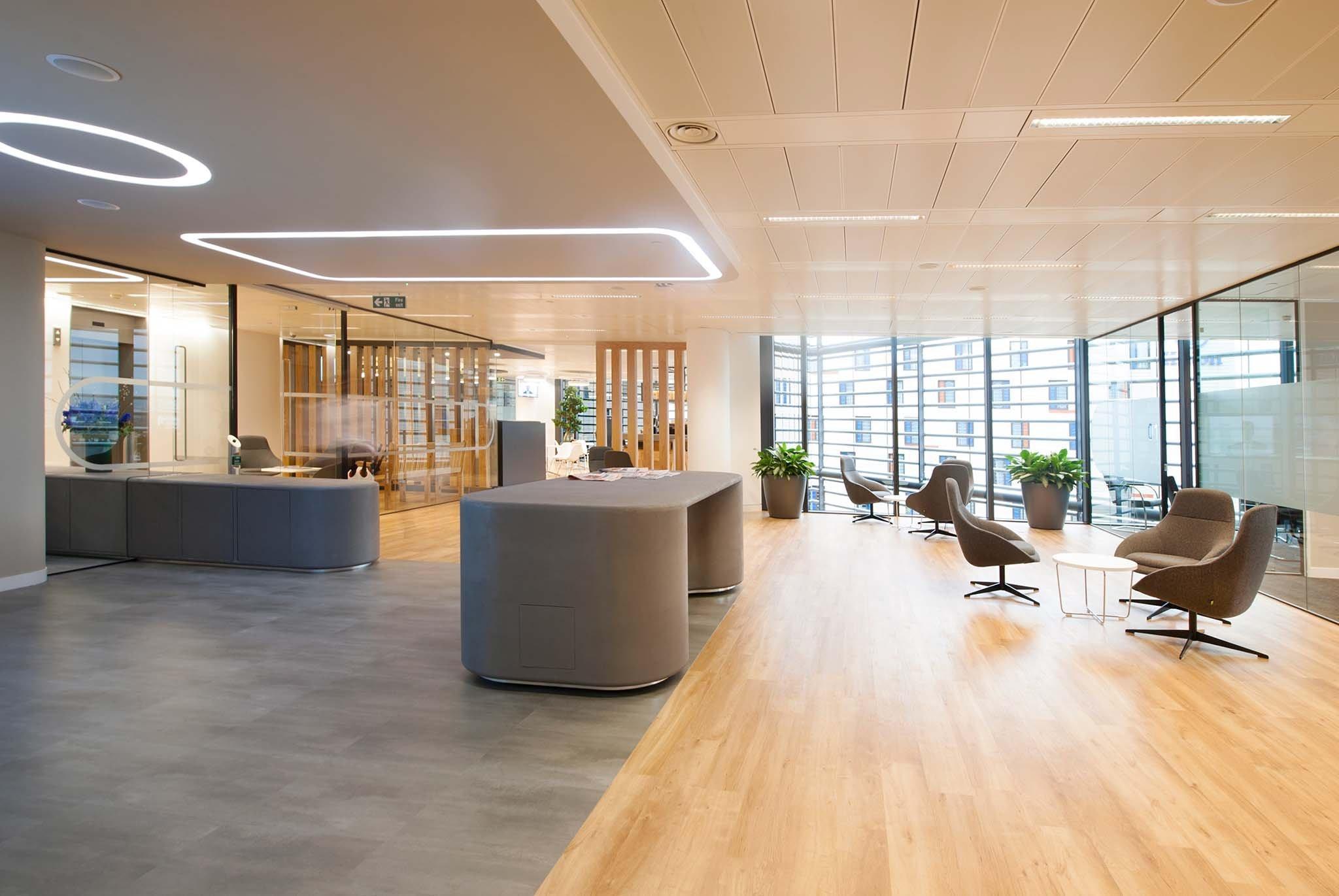
Creating a functional and attractive workspace has become a key priority for companies today. Whether it is a retail store, office, restaurant, or studio, the way a space looks and feels influences customer experience and employee performance. This is where commercial interior design services come in, helping businesses transform their environment with professional planning and creativity.
Why Interior Design Matters for Commercial Spaces
A commercial setting has different needs compared to a home. It must look appealing, work smoothly for daily operations, and reflect the brand identity. Good design helps create a space that welcomes clients, builds trust, and supports productivity.
Here are some reasons why interior design is essential for business places:
-
It shapes first impressions.
-
It improves comfort and workflow.
-
It highlights the brand story.
-
It helps use space more effectively.
-
It supports safety and compliance standards.
Types of Commercial Spaces That Need Design Work
Commercial design covers a wide range of environments. Each one has unique goals and challenges.
1. Office Spaces
Companies need workplaces that help employees stay focused while also offering comfort. A well-designed office encourages teamwork, reduces stress, and improves productivity.
2. Restaurants and Cafes
Dining spaces must feel inviting. Design helps set the mood, guide customer flow, and make both the kitchen and service areas more efficient.
3. Retail Stores
A store’s layout affects how customers move, what they notice, and how they buy. Shelving, lighting, and displays play a major role in sales performance.
4. Hotels and Hospitality Facilities
In hospitality, atmosphere is everything. Good design helps tell a story that attracts guests and keeps them coming back.
5. Clinics and Wellness Centers
These spaces require calm and clean environments. Design must support hygiene, privacy, and patient comfort.
Key Elements of a Strong Commercial Interior Design Plan
Good design is more than colours and decorations. It is a thoughtful combination of planning, structure, and creativity.
Space Planning
A designer studies how people move, work, and interact. This helps build a layout that supports smooth operations and prevents clutter or congestion.
Lighting Design
Lighting affects mood, focus, and visibility. A mix of natural and artificial lighting creates balance and improves the overall feel of a space.
Brand Integration
A business space should reflect the values and character of the brand. Colour palettes, logos, patterns, and materials help tell that story.
Furniture and Material Selection
Furniture affects comfort and workflow. Durable materials are also important because commercial spaces face heavy daily use.
Technology Integration
Modern businesses rely on digital tools. Designers plan electrical points, screens, security systems, and smart devices so everything blends well with the interior.
Safety and Compliance
Commercial buildings must follow rules related to ventilation, accessibility, and fire safety. Professional designers make sure all guidelines are met.
Benefits of Investing in Professional Designers
Hiring experts for commercial interior design services gives businesses long-term value. Some key benefits include:
Better Use of Space
Designers help use every inch of the area without making it feel crowded.
Higher Employee Productivity
Comfortable and organized workplaces help staff perform better.
Stronger Customer Experience
A pleasant environment keeps customers comfortable and encourages repeat visits.
Brand Credibility
A professional look builds trust and reflects the quality of the business.
Better Long-Term Savings
Good planning avoids costly changes later. Durable materials also reduce maintenance expenses.
Trends Shaping Commercial Interiors Today
Design trends change with time. Modern businesses prefer spaces that feel open, warm, and flexible.
Sustainable Materials
Eco-friendly wood, recycled materials, and energy-efficient lighting are becoming common.
Flexible Work Areas
Moveable furniture and multipurpose spaces help businesses adapt to different tasks.
Open Layouts
Open designs create a sense of community and help natural light spread across the space.
Biophilic Design
Plants, natural textures, and earthy tones make spaces more relaxing and healthy.
Technology-Friendly Designs
Charging stations, smart lights, and interactive screens support digital needs.
How the Design Process Works
Working with a professional team for commercial interior design services usually follows a clear process:
1. Consultation
Designers understand business goals, budget, and space requirements.
2. Site Assessment
The team studies the existing layout, measurements, lighting, and structure.
3. Concept Development
Designers create mood boards, colour themes, and rough layouts.
4. Detailed Planning
A full plan is prepared, including furniture, materials, lighting, and technical systems.
5. Execution
Contractors and teams work together to build the approved design.
6. Final Review
Designers check the finished space and make sure everything meets the expected standard.
How to Choose the Right Design Partner
Finding the right professional is important. Here are some things to check:
-
Look at their portfolio.
-
Check reviews or case studies.
-
See if they understand your industry.
-
Confirm timelines and costs clearly.
-
Make sure communication is smooth.
A designer who understands your vision will help bring your space to life effectively.
Conclusion
Professional commercial interior design services help create a workspace that supports business goals and leaves a strong impression on customers. With the right planning, layout, and creativity, any commercial environment can become more functional, attractive, and aligned with the brand. Investing in design is not just about aesthetics. It is about building a space that truly works for your business today and in the future.

 English
 Arabic
 French
 Spanish
 Portuguese
 Deutsch
 Turkish
 Dutch
Dutch
 Russian
 Romaian
 Portuguese (Brazil)
 Greek
Greek