
Creative Home Remodeling Ideas to Maximize Space
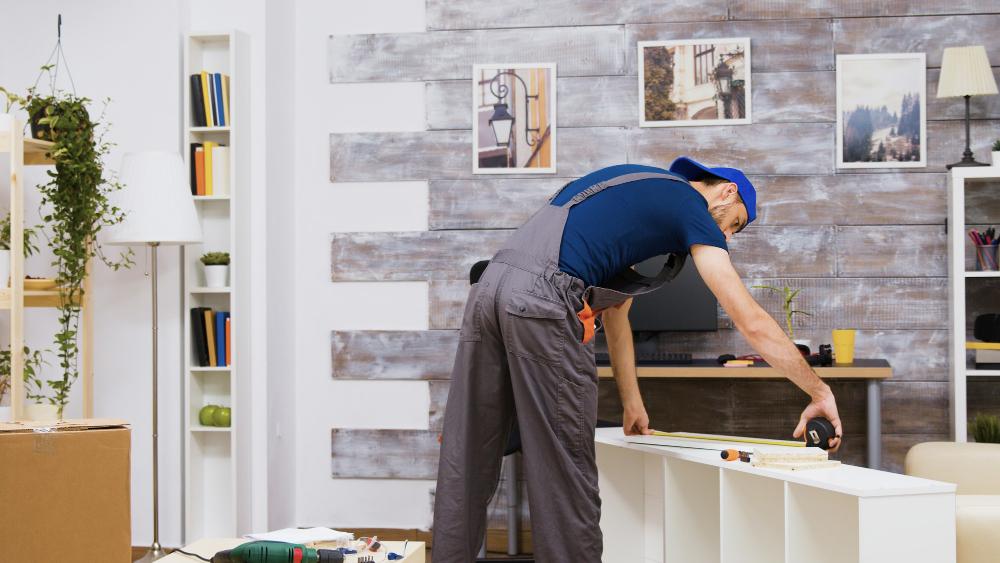
In modern homes, space is often at a premium. Whether you live in a cozy apartment, a compact townhouse, or simply want to make your current home feel larger, smart remodeling can transform your living areas. Creative remodeling doesn’t just make your home more functional—it also enhances comfort, style, and even property value.
This guide provides innovative ideas to maximize space while keeping your home stylish, organized, and livable.
1. Open Up Your Layout
One of the most effective ways to make a home feel spacious is by creating an open-concept layout. Removing non-structural walls between the kitchen, living room, or dining area can instantly improve the flow of natural light and create a sense of openness.
Tips for Open Layouts:
-
Combine kitchen and living areas for better social interaction.
-
Use consistent flooring to create visual continuity.
-
Incorporate furniture that defines zones without blocking sightlines.
Open layouts make homes feel airy, modern, and larger than they actually are.
2. Utilize Vertical Storage Solutions
When floor space is limited, vertical space becomes crucial. Smart storage solutions that reach upward help declutter while adding style.
Ideas for Vertical Space:
-
Tall cabinets or shelves in kitchens, bathrooms, or home offices
-
Lofted beds with built-in desks or storage
-
Vertical bookcases or wall-mounted organizers
-
Hanging racks for bicycles, plants, or kitchenware
Vertical remodeling techniques maximize storage without sacrificing floor space.
3. Convert Underutilized Areas
Corners, alcoves, under stairs, and other unused spaces can be transformed into functional areas. Remodeling these zones can significantly improve storage and utility.
Creative Ideas:
-
Under-stair closets, shelves, or small reading nooks
-
Window seats with hidden storage underneath
-
Attic or basement areas converted into offices or guest rooms
-
Narrow hallways with built-in shelving or display cabinets
Repurposing dead space allows every corner of your home to serve a purpose.
4. Install Sliding or Pocket Doors
Traditional swinging doors occupy valuable floor space, especially in small rooms. Sliding or pocket doors are an elegant alternative that frees up space and adds a modern touch.
Advantages:
-
More flexible furniture arrangement
-
Seamless transitions between rooms
-
Stylish options: frosted glass, barn-style, or mirrored panels
-
Ideal for bathrooms, closets, and pantries
Sliding doors make rooms feel less cramped and more connected.
5. Use Multifunctional Furniture
Multifunctional furniture is essential for maximizing small spaces. Pieces that serve multiple purposes reduce clutter and improve room functionality.
Ideas for Multifunctional Furniture:
-
Sofa beds or Murphy beds for dual-purpose bedrooms
-
Storage ottomans, benches, or coffee tables
-
Foldable or extendable dining tables
-
Desks with built-in shelving or convertible workstations
Multifunctional furniture helps you make the most of every square foot without compromising comfort.
6. Incorporate Built-In Storage
Built-in storage is a space-saving remodeling solution that looks clean and integrated. Custom-built shelving, cabinets, and drawers optimize storage while keeping rooms tidy.
Ideas for Built-In Storage:
-
Floating shelves in living rooms, kitchens, or bathrooms
-
Cabinets with hidden compartments
-
Built-in wardrobes with vertical organizers
-
Entertainment centers with shelving and storage
Built-ins reduce reliance on bulky furniture and create a streamlined, organized look.
7. Optimize Lighting and Mirrors
Proper lighting and mirrors can make even the smallest spaces appear larger. They reflect light, brighten rooms, and create the illusion of openness.
Tips:
-
Place mirrors opposite windows to maximize natural light
-
Use layered lighting: ambient, task, and accent
-
Light-colored walls and reflective surfaces expand visual space
-
Floor-to-ceiling mirrors in bedrooms or living areas create depth
Lighting and mirrors enhance both the functionality and aesthetics of your home.
8. Create Flexible, Multi-Purpose Rooms
Modern lifestyles often require spaces that serve multiple functions. Remodeling rooms to be adaptable ensures maximum utility.
Flexible Room Ideas:
-
A home office that doubles as a guest room
-
A dining area that converts into a homework or craft space
-
A playroom that can transform into a media room
-
Modular furniture to adapt layouts as needed
Flexible remodeling allows your home to evolve with your family’s needs.
9. Maximize Kitchen and Bathroom Space
Kitchen remodeling and bathroom remodeling are often the most limited in space. Creative remodeling can make them more functional and stylish.
Ideas:
-
Open shelving instead of upper cabinets for airy kitchens
-
Pull-out pantries and corner cabinets for efficient storage
-
Floating vanities and wall-mounted sinks to free floor space
-
Compact appliances or combination washer-dryers in bathrooms
Efficient design ensures these essential rooms feel spacious and organized.
10. Use Light Colors and Minimalist Design
Light colors, simple designs, and uncluttered décor create a sense of spaciousness. Remodeling with a minimalist approach ensures every element has a purpose.
Tips for Minimalist Spaces:
-
Paint walls in neutral tones or soft pastels
-
Choose furniture with clean lines and minimal bulk
-
Avoid excessive décor; keep surfaces open and organized
-
Combine functionality with aesthetics for a balanced look
Minimalist design emphasizes openness, making spaces feel larger and more relaxing.
11. Extend Living Space Outdoors
If your interior space is limited, consider remodeling to integrate outdoor areas. Balconies, patios, and decks can function as extensions of your home.
Outdoor Space Ideas:
-
Seating areas for relaxation or entertaining
-
Outdoor kitchens or dining spaces
-
Pergolas or awnings for comfort and shade
-
Landscaping to visually expand the living area
Outdoor remodeling effectively increases usable living space while adding style.
12. Plan Efficient Traffic Flow
Proper layout and traffic flow are key to maximizing space. Crowded or poorly arranged furniture can make rooms feel smaller and less functional.
Tips:
-
Keep pathways clear for easy movement
-
Place larger furniture against walls to open central areas
-
Use rugs to define zones without barriers
-
Consider built-ins or floating furniture to maintain flow
A well-thought-out layout improves both functionality and perception of space.
Conclusion
Maximizing space through creative home remodeling combines smart design, practical solutions, and aesthetic appeal. Open layouts, multifunctional furniture, vertical storage, built-ins, and flexible rooms are all strategies that help you make the most of every square foot.
By carefully assessing your home, utilizing underused areas, and implementing thoughtful remodeling ideas, you can transform your living spaces into organized, stylish, and functional environments. These strategies not only improve comfort and lifestyle but also increase your property’s value.
With creativity, planning, and strategic execution, even small homes can feel spacious, luxurious, and perfectly suited to modern living.

 English
 Arabic
 French
 Spanish
 Portuguese
 Turkish
 Dutch
Dutch
 Italiano
 Russian
 Romaian
 Portuguese (Brazil)
 Greek
Greek