
How Digital Fingerprinting Transforms Remote Work Security for Global Teams
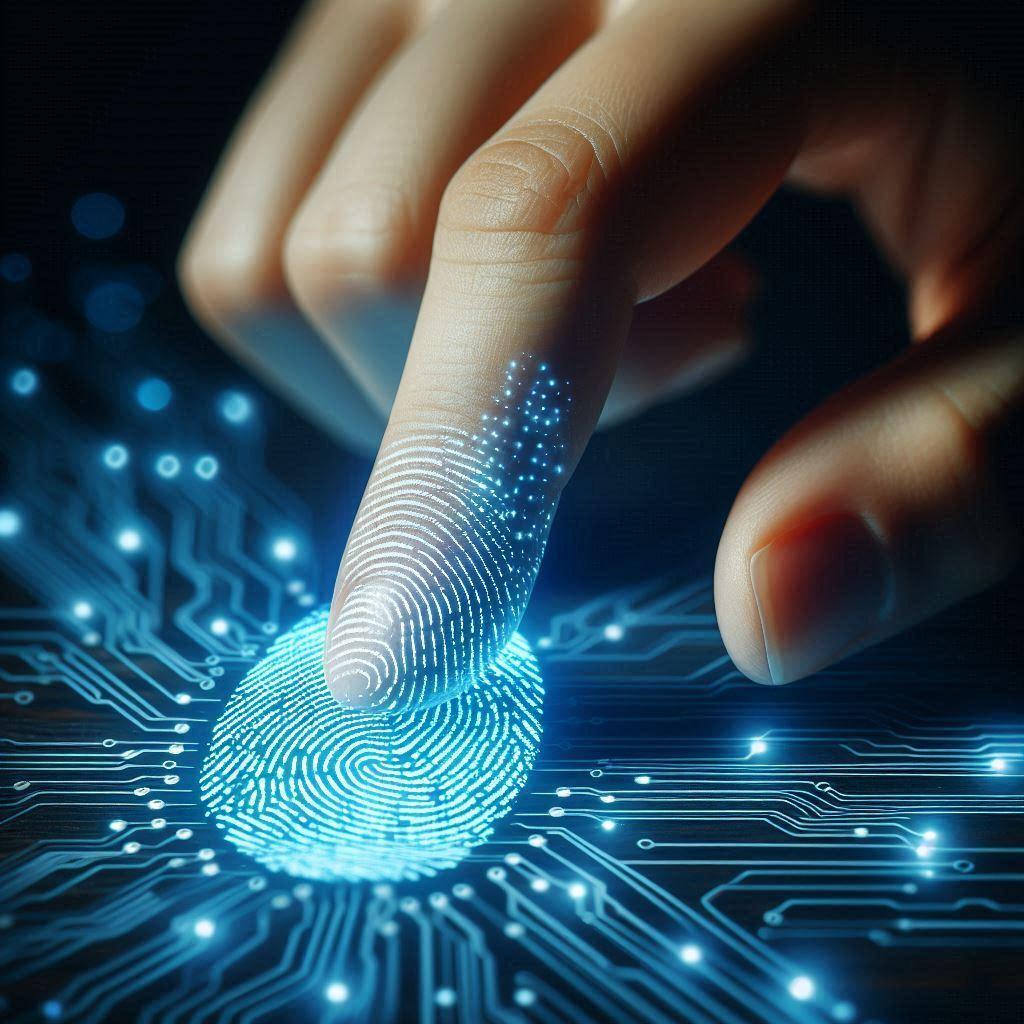
As global teams grow and organizations expand beyond borders, remote work has become the new normal. But with this shift comes an equally significant challenge: verifying identities and ensuring secure access for employees located across different countries. In this digital landscape, companies can no longer rely on traditional manual checks or outdated security processes. This is where Digital fingerprint has emerged as one of the most reliable, secure, and future-ready solutions for safeguarding international remote workforces.
Remote work now accounts for more than 28% of professional employment globally, according to recent workforce trend analyses. With companies hiring talent from multiple time zones, countries, and backgrounds, protecting sensitive data and digital infrastructure has become a top priority. Cybercrime costs worldwide are projected to reach over $10 trillion annually by 2025, showing how crucial strong identity verification and access control systems have become.
In this article, we explore how Digital fingerprinting is transforming remote work security, why global employers are rapidly adopting it, and how it creates a safer, more efficient environment for international employees.
The Role of Digital Fingerprinting in Global Remote Work Security
In today’s highly interconnected work environment, secure identity verification is a critical foundation for remote workforce management. It offers a level of assurance and authentication that goes far beyond passwords, OTPs, or even facial recognition.
Biometric identification is considered one of the most accurate security methods, with fingerprint matching accuracy reaching over 99% in controlled testing. This makes it ideal for employers who need to validate the identities of international workers without relying on documents that can be forged, misplaced, or tampered with.
Why Digital Fingerprinting Is Needed for International Teams
Remote work introduces multiple security challenges:
- Employees use personal devices that may not be fully secure.
- Access attempts originate from multiple countries and unknown networks.
- Sensitive data moves across borders.
- Companies need quick onboarding with real-time verification.
It solves these issues by providing a secure, fraud-resistant identity layer that is tied to a unique human biometric—something that cannot be replicated, guessed, or shared.
How Digital Fingerprinting Enhances Security in Remote Work Environments
Digital security threats evolve every year, but biometric technology evolves with them. Here’s how Digital fingerprint strengthens global workforce operations.
1. Eliminates Identity Fraud Risk
Identity fraud increased significantly during the rise of global remote hiring. Traditional onboarding methods, such as scanned IDs, background checks, or email confirmations have proven vulnerable. Fingerprints, however, provide a near-perfect identity anchor.
Digital fingerprinting ensures that:
- Only the verified employee can access company systems
- No identity substitutions can occur
- Sensitive roles like finance, development, and data administration remain protected
2. Ensures Cross-Border Compliance
Countries like Canada, the U.S., the U.K., and many in the EU require strict verification for employees accessing regulated data. Many industries banking, healthcare, IT security, insurance, telecom, and government contracting must meet compliance standards before granting system access.
It provides a compliance-ready verification approach that satisfies international standards such as:
- GDPR (Europe)
- SOC 2 (North America)
- HIPAA (U.S. healthcare)
- FINTRAC (Canada)
This makes remote hiring smoother, especially for highly regulated professions where the location of the employee makes verification more complex.
3. Protects Sensitive Company Data
Human error is the leading cause of data breaches, accounting for nearly 82% of cybersecurity incidents. Weak passwords, unsecured Wi-Fi networks, and credential sharing are just some of the risks.
Digital fingerprint adds a biometric layer to access control, ensuring:
- No unauthorized access to servers
- No password leakage
- Full accountability for every login
- Secure approval for high-risk operations
4. Creates Faster, More Reliable Onboarding
Organizations with international workforces often struggle with lengthy verification processes. Employees may wait days or weeks for clearances, which delays project deadlines and productivity.
With Digital fingerprinting, identity verification becomes:
- Faster
- Paperless
- Globally streamlined
- Consistent across all nationalities
Most digital print captures take minutes, allowing employees to begin work sooner.
Impact of Digital Fingerprint on International Employee Management
For global employers, adopting biometric verification brings measurable benefits across workforce operations.
Reduced Turnover Due to Stronger Trust
Remote work thrives on trust. When employees know the company uses secure systems, they feel more confident using digital tools. Secure verification also reassures employers that their data is protected, improving overall trust in remote-work ecosystems.
Improved Productivity Through Seamless Access
Employees can access cloud portals and internal systems instantly with biometric authentication. No more remembering long passwords, dealing with resets, or waiting for IT approvals.
Lower Operational Costs
Digital fingerprinting reduces:
- Administrative overhead
- Paperwork
- Manual verification errors
- Time spent on compliance documentation
Companies operating globally report up to a 40% reduction in onboarding costs when switching to biometric identity solutions.
Enhanced Security for BYOD (Bring Your Own Device) Work Models
With remote work, employees commonly use personal laptops and phones. This can be a security risk if devices lack enterprise-grade protection.
It ensures the person accessing the system is always the verified employee, even if the device itself is not centrally managed.
The Future of Digital Fingerprinting in Remote Work
We are entering a biometric-driven era where authentication will rely on physical identity rather than passwords or tokens. For international remote workforces, this shift provides stability, efficiency, and enhanced security.
Future trends include:
- Integration with AI-driven risk assessments
- Biometric-based VPN and cloud access
- Tamper-proof remote background checks
- Contactless fingerprint capture for global employees
- Full digital HR onboarding using biometrics
Organizations that adopt Digital fingerprinting now are better positioned for the next generation of global workforce technologies.
Conclusion
As remote work continues to grow, securing global teams has never been more essential. Digital fingerprinting offers unmatched identity verification, compliance support, fraud prevention, and operational efficiency. For international companies, it creates a trusted ecosystem where employees can work confidently from anywhere in the world.
With cybersecurity threats rising and workforce borders disappearing, biometric security isn’t just the future, it is the new foundation of global employment.

 English
 Arabic
 French
 Spanish
 Portuguese
 Deutsch
 Turkish
 Dutch
Dutch
 Italiano
 Russian
 Romaian
 Greek
Greek