
Neurosurgical Simulator: Transforming the Way Surgeons Train
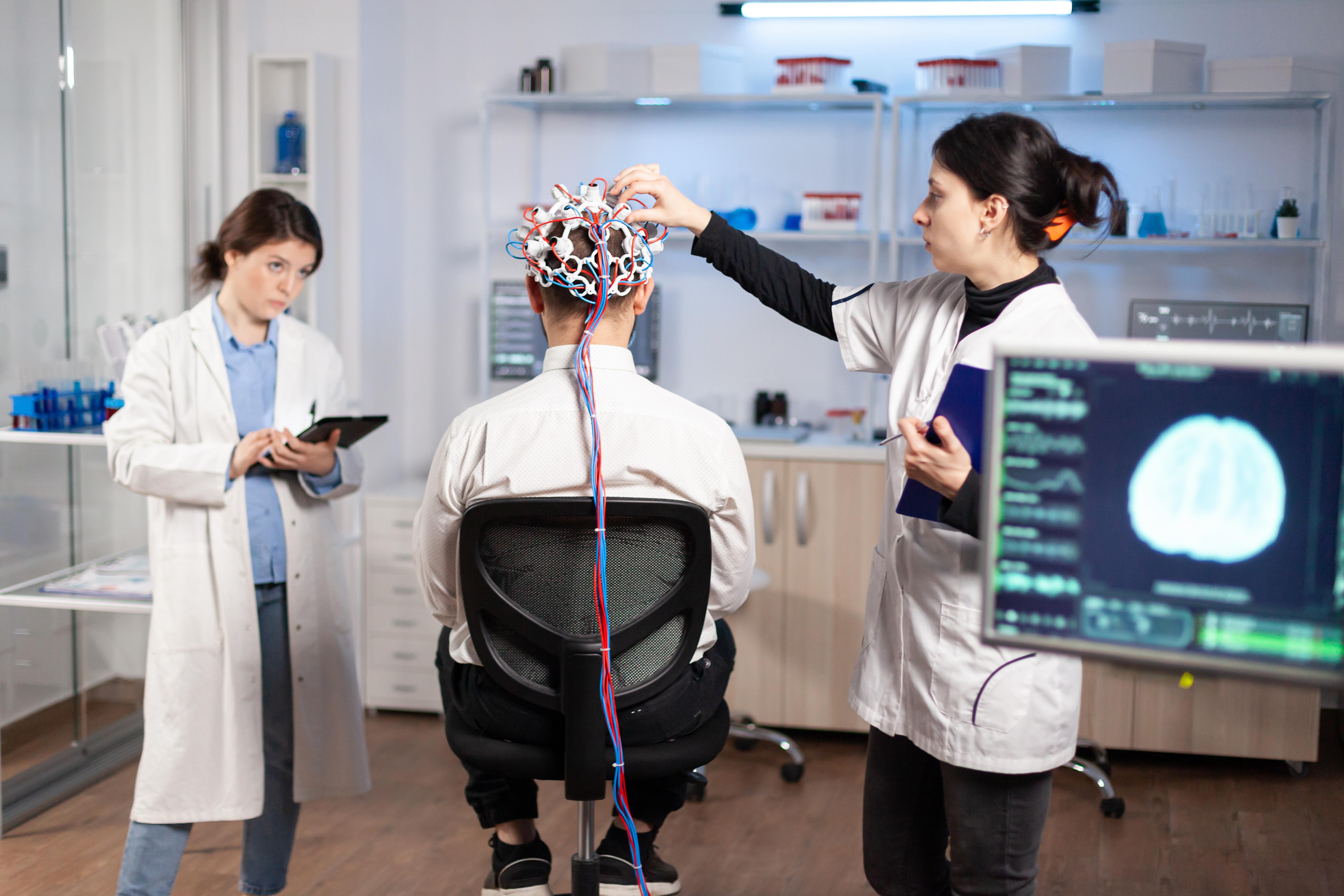
A neurosurgical simulator is changing how surgeons learn and refine complex brain procedures. Instead of relying only on textbooks, observation, or limited operating room exposure, modern training now includes highly realistic simulation environments that allow surgeons to practice delicate techniques without risk to patients. These simulators recreate the anatomy, tools, and challenges encountered during real neurosurgical operations, helping trainees develop confidence, precision, and decision-making skills.
One of the biggest advantages of a neurosurgical simulator is the opportunity for repeated practice. Surgeons can perform the same procedure multiple times, analyze their performance, and gradually improve their technique. This hands-on experience is especially valuable for complex procedures such as aneurysm clipping, tumor removal, or microvascular surgery, where accuracy is critical.
Another important benefit is the ability to simulate rare or high-risk cases that surgeons may not frequently encounter during traditional training. By practicing these scenarios in a controlled environment, surgeons can better prepare for unexpected challenges in the operating room.
As technology continues to evolve, neurosurgical simulators are becoming more advanced, incorporating patient-specific anatomy, realistic feedback, and data-driven performance assessment. This innovation is helping shape a new generation of neurosurgeons who are better prepared, more confident, and capable of delivering safer surgical outcomes for their patients.

 English
 Arabic
 French
 Spanish
 Portuguese
 Deutsch
 Turkish
 Dutch
Dutch
 Italiano
 Russian
 Romaian
 Greek
Greek