
10 Benefits of Using Custom DTF Transfers for Apparel Printing
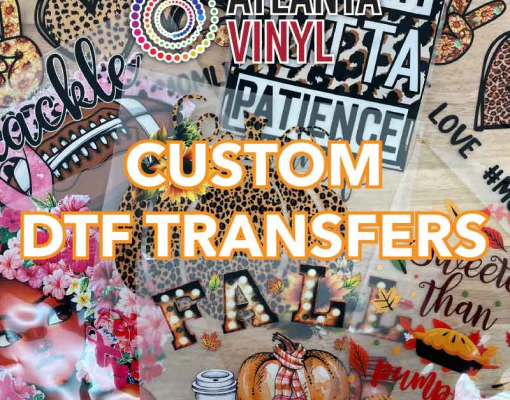
The custom apparel industry has experienced significant growth in recent years. Businesses, designers, and hobbyists are constantly looking for printing methods that offer vibrant results, durability, and flexibility. One of the technologies that has quickly become popular in the printing world is Custom DTF Transfers. This method allows high-quality designs to be printed onto a special film and then heat pressed onto garments, creating long-lasting and professional-looking prints.
Many apparel decorators and small businesses prefer Custom DTF Transfers because they simplify the printing process while still producing detailed and colorful results. Whether you are running a clothing brand, printing team uniforms, or creating personalized gifts, DTF transfers provide an efficient solution that works with a wide variety of fabrics.
In this article, we’ll explore 10 major benefits of using custom DTF transfers for apparel printing and why this technology is becoming a favorite among modern garment decorators.
What Are DTF Transfers?
DTF stands for Direct-to-Film printing. In this process, a design is printed onto a special film using specialized inks. The design is then coated with adhesive powder and cured. Once ready, the transfer can be applied to fabric using heat and pressure.
Unlike some traditional printing methods, DTF transfers do not require complex setup processes. They are versatile, efficient, and capable of producing high-quality prints with vibrant colors and fine details.
This printing method works on many fabric types, including cotton, polyester, blends, and even darker fabrics.
1. Works on Multiple Fabric Types
One of the biggest advantages of DTF transfers is their compatibility with different materials. Many traditional printing methods work best on specific fabrics, but DTF transfers offer much more flexibility.
They can be applied to:
-
Cotton garments
-
Polyester fabrics
-
Cotton-poly blends
-
Performance fabrics
This versatility allows businesses to produce a wide range of apparel without changing printing methods.
2. Produces Vibrant and Detailed Designs
DTF printing is known for its ability to produce extremely vibrant colors and fine details. Designs printed using this method often appear sharper and more vivid than some other printing techniques.
This makes DTF transfers ideal for:
-
Complex illustrations
-
Detailed logos
-
Colorful graphics
-
High-resolution artwork
Designers can create intricate artwork without worrying about losing quality during the printing process.
3. No Need for Large Printing Equipment
Traditional printing methods like screen printing often require large machines and multiple setup steps. This can be costly and time-consuming for small businesses.
DTF transfers simplify the process by allowing designs to be printed separately and then applied with a heat press. This means businesses can produce professional-quality apparel without investing in expensive equipment.
For startups and small clothing brands, this makes apparel production much more accessible.
4. Suitable for Both Small and Large Orders
Another major benefit of DTF transfers is their flexibility when it comes to order size.
With screen printing, large quantities are usually required to make production cost-effective. DTF transfers, however, can be used for both small and large production runs.
This makes them ideal for:
-
Small custom orders
-
Limited edition apparel
-
Test product launches
-
Bulk merchandise production
Businesses can easily scale production based on demand.
5. Long-Lasting Durability
Durability is an essential factor when it comes to custom apparel. Customers expect printed designs to last through multiple washes without fading or cracking.
DTF transfers are designed to be highly durable when applied correctly. The adhesive powder creates a strong bond with the fabric, ensuring that the design remains intact even after frequent washing.
With proper care, garments printed with DTF transfers can maintain their appearance for a long time.
6. Works Well on Dark and Light Fabrics
Many printing methods require different processes for light and dark garments. DTF transfers eliminate much of this complexity.
Because the printing process includes a white ink layer, designs remain vibrant even on dark-colored fabrics. This makes it easier for designers to create colorful graphics without worrying about background color affecting the final result.
This feature expands creative possibilities for apparel designers.
7. Easy Application Process
Applying DTF transfers is relatively simple. Once the transfer is ready, it can be pressed onto the garment using a heat press.
The typical process includes:
-
Placing the transfer on the fabric
-
Applying heat and pressure for the recommended time
-
Allowing the transfer to cool
-
Peeling the film and finishing the design
This straightforward process allows businesses to produce garments quickly and efficiently.
8. Ideal for Custom Clothing Brands
Many clothing brands rely on unique graphics to stand out in a competitive market. DTF transfers allow designers to experiment with creative designs without complicated production steps.
Because designs can be printed in advance and stored, businesses can easily apply transfers when needed. This flexibility helps streamline production and reduce inventory challenges.
For small clothing brands, this method makes launching new designs much easier.
9. Minimal Waste During Production
DTF printing is also considered a more efficient process compared to some traditional printing methods.
Screen printing, for example, may require separate screens for each color, which can lead to excess ink usage and material waste. DTF transfers reduce this issue by printing the design directly onto film.
This makes the process more efficient and environmentally friendly in many cases.
10. Perfect for Personalization
Customization is a major trend in the apparel industry. Customers love personalized items that feature their names, favorite graphics, or unique messages.
DTF transfers make personalization simple. Businesses can easily produce one-of-a-kind designs without needing complex setup processes.
This makes them ideal for:
-
Personalized t-shirts
-
Custom sports jerseys
-
Event apparel
-
Gift items
The ability to customize quickly gives businesses a competitive advantage in the growing personalized product market.
Tips for Getting the Best Results with DTF Transfers
If you want to achieve professional results when using DTF transfers, consider these helpful tips:
Use high-quality design files
High-resolution artwork ensures sharper prints.
Follow recommended heat press settings
Proper temperature and pressure help ensure strong adhesion.
Pre-press garments
Removing moisture and wrinkles improves transfer quality.
Allow transfers to cool properly
Cooling helps the adhesive bond more effectively.
Use proper washing instructions
Turning garments inside out and washing with mild detergents can help extend the life of the design.
Conclusion
DTF printing technology has transformed the custom apparel industry by offering a flexible, efficient, and high-quality printing solution. From vibrant designs to easy application, DTF transfers provide numerous advantages for businesses, designers, and hobbyists alike.
Their ability to work on multiple fabrics, support both small and large production runs, and produce durable designs makes them an excellent choice for modern apparel printing.
As demand for personalized clothing continues to grow, DTF transfers are likely to remain one of the most popular methods for creating custom garments. Whether you’re starting a clothing brand or simply exploring new crafting techniques, DTF transfers can help bring your creative ideas to life.
FAQs
1. What are Custom DTF Transfers used for?
They are used to transfer printed designs onto garments such as t-shirts, hoodies, bags, and other fabric items using heat.
2. Do DTF transfers work on all fabrics?
DTF transfers work best on cotton, polyester, and fabric blends that can withstand heat pressing.
3. Do I need a heat press for DTF transfers?
Yes, a heat press is recommended to ensure proper temperature and pressure during application.
4. Are DTF transfers durable?
When applied correctly and cared for properly, DTF transfers can last through many washes without cracking or fading.
5. Can DTF transfers be stored for later use?
Yes, transfers can be printed and stored for future use as long as they are kept in a clean and dry environment.

 English
 Arabic
 French
 Spanish
 Portuguese
 Deutsch
 Turkish
 Dutch
Dutch
 Italiano
 Russian
 Romaian
 Greek
Greek