
How AI and Robotics Are Redefining Offshore Oil Field Services Maintenance
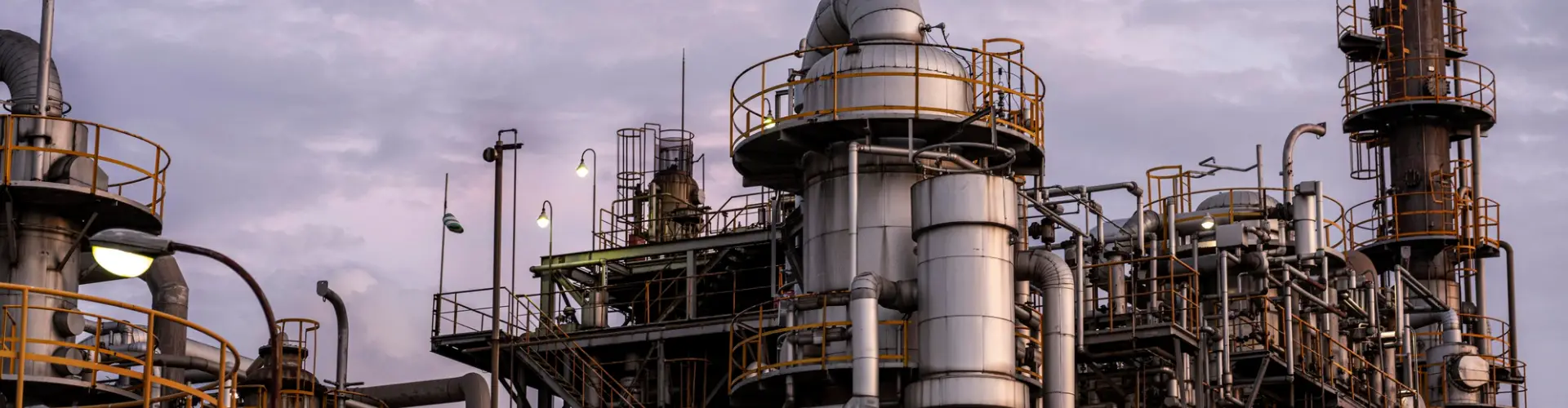
Offshore energy operations depend on complex equipment operating under demanding conditions. Platforms, drilling rigs, and offshore production facilities rely on a wide network of mechanical and electrical systems to keep production running smoothly. Any unexpected equipment failure can lead to significant operational disruptions, safety risks, and financial losses.
This is why offshore oil field services play a crucial role in the global energy sector. These services focus on maintaining, repairing, and optimizing equipment used in offshore operations—from generators and motors to pumps and rotating machinery. In recent years, artificial intelligence (AI) and robotics have begun transforming how these services are delivered. By enabling predictive maintenance, remote inspections, and automated diagnostics, these technologies are improving reliability and reducing downtime across offshore operations.
As offshore infrastructure becomes more advanced, the integration of intelligent monitoring systems and robotic inspection tools is reshaping how maintenance is planned and executed. At the same time, experienced service providers remain essential for performing specialized repairs such as Offshore generator rewinding, pump overhauls, and rotating equipment restoration.
Understanding Offshore Oil Field Services and Their Role in Energy Production
Offshore oil field services include the technical support, maintenance, and repair activities required to keep offshore energy infrastructure functioning efficiently. These services ensure that essential equipment operates safely in harsh marine environments.
Unlike onshore & offshore oil & gas fields services, offshore operations face additional challenges due to remote locations, difficult weather conditions, and limited access to heavy repair facilities. Equipment failures offshore often require specialized diagnostic and maintenance strategies.
Key systems supported by offshore maintenance services include:
-
Offshore power generators that provide electricity to platforms
-
Industrial electric motors used in pumping and drilling systems
-
High-capacity pumps for fluid transfer and circulation
-
Compressors used in gas processing operations
-
Rotating equipment critical to drilling and production processes
Reliable maintenance of this equipment ensures continuous production and prevents costly shutdowns. Service providers support offshore operations by combining advanced monitoring technology with skilled electromechanical repair capabilities delivered from specialized onshore workshops.
Key Maintenance Challenges in Offshore Oil and Gas Operations
Offshore facilities operate in some of the most demanding environments in the industrial sector. Equipment is constantly exposed to extreme conditions that accelerate wear and increase the risk of failure.
Some of the most common challenges include:
Corrosion and Environmental Exposure
Saltwater exposure can rapidly corrode metal components, affecting motors, generators, pumps, and structural elements. Without regular maintenance, corrosion can compromise both efficiency and safety.
High Mechanical Stress
Offshore equipment such as compressors and pumps often runs continuously under heavy loads. This creates high vibration levels and mechanical stress, which can lead to premature bearing failures or rotor imbalance.
Limited Access to Repair Facilities
Unlike onshore plants, offshore platforms have limited space for large repair operations. When critical equipment fails, it often needs to be transported to a specialized workshop for inspection and repair.
Downtime Costs
Equipment downtime offshore can be extremely expensive. Even short production interruptions can lead to significant financial losses. This makes preventive maintenance and rapid repair services essential.
AI and robotics technologies are increasingly being used to address these challenges by enabling faster diagnostics, automated inspections, and predictive maintenance strategies.
The Rise of Artificial Intelligence in Offshore Oil Field Services
Artificial intelligence is transforming maintenance planning across the energy industry. By analyzing large volumes of operational data, AI systems can detect patterns that indicate potential equipment problems long before failures occur.
In offshore environments, AI monitoring systems rely on sensors installed on critical machinery. These sensors continuously track key performance indicators such as:
-
Temperature levels
-
Vibration patterns
-
Electrical load conditions
-
Pressure levels in pumping systems
Using predictive analytics, AI systems can identify early warning signs of equipment deterioration. For example, a gradual increase in vibration in a motor or generator may indicate bearing wear or rotor imbalance.
Predictive maintenance provides several advantages for offshore operations:
-
Reduced unplanned downtime
-
Improved equipment reliability
-
Better scheduling of maintenance activities
-
Lower operational costs
By identifying potential issues early, maintenance teams can plan repairs before equipment failures disrupt production.
Robotics Applications in Offshore Maintenance Operations
Robotics is another technology reshaping offshore maintenance practices. Offshore platforms and subsea infrastructure often involve hazardous environments that are difficult for technicians to access safely.
Robotic systems allow inspection and monitoring activities to be performed remotely. Several types of robots are commonly used in offshore operations.
Inspection Robots
These robots are used to inspect storage tanks, pipelines, and structural components. Equipped with cameras and sensors, they can detect corrosion, cracks, or structural damage.
Subsea Drones
Autonomous underwater vehicles and remotely operated vehicles inspect underwater pipelines and offshore structures. They provide real-time video footage and data from areas that would otherwise require divers.
Pipeline Crawlers
Specialized robotic systems can travel inside pipelines to identify blockages, corrosion, or structural weaknesses.
These robotic inspection tools reduce safety risks for workers while improving the accuracy of equipment assessments.
AI-Driven Predictive Maintenance for Offshore Rotating Equipment
Rotating equipment is at the core of offshore energy production. Motors, generators, pumps, and compressors must operate reliably to maintain continuous production.
Predictive maintenance technologies powered by AI are increasingly used to monitor these systems. Sensors installed on equipment measure vibration, temperature, and electrical performance in real time.
By analyzing these signals, AI platforms can detect anomalies that indicate potential mechanical problems.
Examples of issues that predictive systems can identify include:
-
Rotor imbalance
-
Bearing deterioration
-
Electrical winding damage
-
Shaft misalignment
Early detection allows maintenance teams to intervene before equipment failures occur. This improves operational efficiency and extends the lifespan of expensive machinery.
Offshore Generator Rewinding and Repair: Why It Remains Critical
Generators are essential components of offshore platforms. They provide electrical power for drilling operations, lighting systems, control systems, and other critical equipment.
When generator windings deteriorate due to heat, moisture, or electrical stress, performance can decline significantly. In severe cases, winding failures can cause complete power loss.
Offshore generator rewinding is a specialized repair process that restores generator performance by replacing damaged electrical windings. This process requires precision and strict quality control to ensure the generator operates safely and efficiently after repair.
Common causes of generator winding failures include:
-
Insulation breakdown due to overheating
-
Moisture penetration in offshore environments
-
Electrical overload conditions
-
Mechanical vibration affecting winding stability
Professional rewinding services restore the generator’s electrical efficiency and extend its operational lifespan.
Supporting Offshore Operations Through Onshore Repair Workshops
While many inspections and minor repairs can be performed offshore, complex electromechanical repairs typically require specialized facilities.
Onshore repair workshops play a critical role in supporting onshore & offshore oil & gas fields services by providing advanced diagnostic and repair capabilities.
Specialized workshops allow technicians to perform precision repairs using advanced equipment and testing systems.
Typical services performed in these facilities include:
-
Industrial motor rewinding
-
Generator repair and testing
-
Pump overhaul and refurbishment
-
Mechanical fabrication and component replacement
-
Dynamic balancing of rotating equipment
These services help restore critical machinery to full operational condition before it is returned to offshore platforms.
Dynamic Balancing and Vibration Analysis in Offshore Equipment Maintenance
Vibration is one of the most common causes of equipment failure in offshore machinery. Rotating equipment such as pumps, motors, and compressors must maintain precise balance during operation.
Dynamic balancing is a critical maintenance procedure used to eliminate rotor imbalance and reduce vibration levels.
Benefits of dynamic balancing include:
-
Improved equipment stability
-
Reduced bearing wear
-
Increased machinery lifespan
-
Lower energy consumption
Vibration analysis tools are often used alongside balancing procedures to identify the root causes of abnormal vibration patterns. This allows maintenance teams to correct mechanical problems before they cause severe damage.
AI and Robotics Improving Safety in Offshore Oil and Gas Fields
Safety is a top priority in offshore operations. Platforms involve high-pressure systems, flammable materials, and complex mechanical equipment.
AI and robotics technologies are helping improve safety in several ways:
-
Remote inspection systems reduce the need for technicians to enter hazardous areas
-
AI monitoring detects abnormal operating conditions before accidents occur
-
Automated shutdown systems prevent equipment failures from escalating
These technologies help maintenance teams manage risks while maintaining operational efficiency.
The Future of Offshore Oil Field Services with Automation
The offshore energy industry is rapidly adopting digital technologies that enhance maintenance capabilities. AI systems, robotic inspection tools, and smart sensors are becoming standard components of modern offshore infrastructure.
Future offshore maintenance systems will likely integrate several technologies, including:
-
AI-driven predictive maintenance platforms
-
Internet of Things (IoT) monitoring systems
-
digital twins for equipment simulation
-
autonomous inspection robots
These technologies will allow operators to monitor equipment performance continuously and respond quickly to potential issues.
Despite these advancements, skilled technicians and specialized repair facilities will remain essential. Complex repairs such as generator rewinding, pump refurbishment, and rotating equipment balancing require hands-on expertise that cannot be fully automated.
Choosing a Reliable Partner for Offshore Oil Field Services
Offshore operators depend on experienced service providers who can deliver reliable repair and maintenance solutions.
When selecting a service partner, companies typically consider factors such as:
-
technical expertise in electromechanical systems
-
availability of specialized repair facilities
-
ability to perform precision generator and motor repairs
-
quick turnaround times for urgent equipment failures
Working with an experienced service provider ensures that critical machinery is repaired to high standards, minimizing downtime and supporting long-term operational performance.
Reliable technical partners help offshore operators maintain equipment integrity and manage the complex maintenance demands of modern energy production systems.
Reliable maintenance keeps offshore operations running safely and efficiently.
Daniel Group – dependable expertise in offshore oil field services.
Frequently Asked Questions
What are offshore oil field services?
Offshore oil field services include maintenance, inspection, repair, and technical support activities required to keep offshore drilling platforms and production facilities operating efficiently. These services typically involve generator repair, motor maintenance, pump overhaul, and rotating equipment servicing.
How is AI used in offshore oil field services?
AI is used to analyze data collected from sensors installed on equipment such as generators, pumps, and motors. Predictive maintenance systems use this data to identify early signs of equipment deterioration, allowing maintenance teams to address issues before failures occur.
What role do robotics play in offshore maintenance?
Robotics are used for remote inspections and monitoring of offshore infrastructure. Inspection robots, subsea drones, and pipeline crawlers help technicians assess equipment condition without exposing workers to hazardous environments.
Why is offshore generator rewinding important?
Generators provide electrical power for offshore platforms. When generator windings become damaged due to heat, moisture, or electrical faults, rewinding restores the generator’s efficiency and ensures reliable power generation for offshore operations.
How do onshore workshops support offshore oil and gas fields services?
Onshore workshops provide specialized repair capabilities that are not available on offshore platforms. Services such as motor rewinding, pump overhaul, dynamic balancing, and mechanical fabrication are typically performed in these facilities.
What maintenance services are most important for offshore equipment?
Critical offshore maintenance services include vibration analysis, rotating equipment balancing, generator repair, pump maintenance, and predictive monitoring systems. These services help prevent equipment failures and maintain reliable offshore operations.

 English
 Arabic
 French
 Spanish
 Portuguese
 Deutsch
 Turkish
 Dutch
Dutch
 Russian
 Romaian
 Portuguese (Brazil)
 Greek
Greek