
How the B2B Customer Buying Journey Shapes Business Decisions
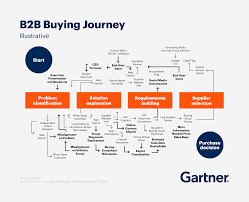
Explore How the B2B Customer Buying Journey Shapes Business Decisions
In the modern business landscape, purchasing decisions are rarely simple. This is especially true in business-to-business markets where organizations invest significant resources into products, services, and partnerships. Because of the complexity involved, businesses follow a structured decision-making process before choosing a solution provider. This process is commonly referred to as the B2B customer buying journey.
Understanding this journey is essential for companies that want to attract and convert high-value clients. The buying journey represents the stages a business goes through when identifying a problem, researching potential solutions, evaluating vendors, and finally making a purchase decision. Each stage influences how companies communicate, evaluate options, and select partners.
Businesses that understand how buyers think and behave during this journey can design more effective marketing strategies, provide relevant information at the right time, and build stronger relationships with potential clients. By aligning marketing and sales efforts with the customer journey, organizations can make better decisions that support sustainable growth.
Understanding the B2B Customer Buying Journey
The B2B customer buying journey describes the process organizations follow when deciding whether to purchase a product or service. Unlike consumer purchases that may occur quickly, B2B decisions often involve research, internal discussions, and careful analysis.
Typically, several stakeholders participate in the process, including executives, managers, technical experts, and financial decision-makers. Each participant may have different priorities, which makes the journey more complex than individual consumer decisions.
Because of this complexity, companies spend time evaluating different solutions before committing to a partnership. They gather information, compare options, and analyze how each solution aligns with their business goals.
Understanding these behaviors allows businesses to create communication strategies that guide potential clients through each stage of the journey.
The Awareness Stage
The buying journey begins when a company becomes aware of a problem or opportunity that requires attention. This could involve declining operational efficiency, limited market visibility, outdated technology, or a need for new strategic capabilities.
At this stage, businesses may not yet know what solution they need. Their primary goal is to understand the issue and explore possible approaches for addressing it.
Educational content plays an important role during this stage. Companies often search for industry insights, research reports, and practical guidance that helps them understand the challenges they face.
Businesses that provide informative and helpful resources during the awareness stage can position themselves as knowledgeable and trustworthy sources of information.
The Consideration Stage
Once the problem has been clearly identified, organizations begin exploring potential solutions. This phase is known as the consideration stage.
During this stage, companies research different service providers, compare available options, and evaluate how each solution might address their specific needs. Decision-makers may review articles, case studies, webinars, and other educational resources to understand the strengths of each approach.
Businesses that clearly explain their expertise and demonstrate practical results can attract greater attention during this stage. Organizations recognized as a B2B SEO Company often succeed because they provide valuable insights that help companies evaluate digital growth strategies.
Providing transparent explanations and relevant examples allows potential clients to see how a solution could benefit their organization.
The Decision Stage
The final stage of the buying journey occurs when a company chooses a specific partner or service provider. By this point, decision-makers have already gathered extensive information and narrowed their options to a few strong candidates.
At this stage, businesses evaluate several factors before making their final decision. These factors often include expertise, reliability, communication quality, pricing structure, and long-term strategic alignment.
Case studies, client testimonials, and clear service proposals can strongly influence decisions during this stage. Companies want reassurance that the chosen partner has the capability to deliver consistent and measurable results.
When businesses demonstrate professionalism and transparency, they significantly increase their chances of winning long-term partnerships.
Multiple Stakeholders in B2B Decision-Making
One of the defining characteristics of the B2B buying journey is the involvement of multiple stakeholders. Unlike consumer purchases that may involve only one person, B2B decisions often require approval from several departments.
For example, a marketing director might evaluate strategic benefits, while a financial officer reviews cost implications. Technical teams may also assess whether the solution integrates effectively with existing systems.
Because each stakeholder has different priorities, businesses must provide information that addresses a variety of concerns. Clear communication and comprehensive documentation help ensure that all participants understand the proposed solution.
Organizations that successfully communicate with multiple decision-makers are more likely to build trust and move forward in the buying process.
Research and Information Gathering
Research plays a central role in the B2B buying journey. Before making a decision, companies typically conduct extensive investigations to understand potential solutions and evaluate vendor credibility.
This research may include reading industry publications, attending webinars, reviewing expert insights, and examining company websites.
Businesses that publish educational content often gain a significant advantage because they become visible during the research phase. Articles that address industry challenges, explain emerging trends, and offer practical advice can attract attention from organizations seeking reliable guidance.
Providing useful information allows businesses to demonstrate expertise while supporting potential clients during their decision-making process.
Digital Channels and the Buying Journey
Digital platforms have transformed how businesses navigate the buying journey. Today, much of the research and evaluation process takes place online before direct communication with service providers even begins.
Websites, blogs, social media discussions, and professional networks provide valuable insights that influence decision-making.
Companies with strong digital visibility are more likely to be discovered by organizations seeking solutions. Informative blog content, well-structured service pages, and clear value propositions help guide potential clients through the research process.
By maintaining a strong online presence, businesses ensure they remain visible during critical moments of the customer journey.
Building Trust During the Journey
Trust is a key factor that influences business decisions throughout the buying journey. Because B2B partnerships often involve long-term collaboration, companies want to work with organizations they believe are reliable and knowledgeable.
Transparency, clear communication, and consistent expertise all contribute to building trust. Businesses that openly share their processes, methodologies, and results create a sense of confidence among potential clients.
Trust is strengthened when companies demonstrate a genuine commitment to solving client problems rather than simply promoting services.
Over time, this credibility becomes a major factor that influences final purchasing decisions.
Aligning Marketing and Sales Efforts
Successful companies align their marketing and sales strategies with the customer buying journey. Marketing teams focus on providing educational content and attracting potential clients during the early stages of research.
Sales teams then build on this foundation by offering personalized consultations, detailed proposals, and strategic guidance during the later stages of evaluation.
When marketing and sales teams collaborate effectively, businesses can guide potential clients smoothly from initial awareness to final decision-making.
This alignment improves efficiency and ensures that the customer experience remains consistent throughout the entire journey.
Personalization and Customer Experience
Personalization is becoming increasingly important in B2B marketing. Businesses expect solutions that address their specific challenges rather than generic recommendations.
By understanding the needs of different industries and organizations, companies can tailor their communication to reflect those priorities.
Personalized communication demonstrates that a company understands the client’s situation and is prepared to provide meaningful support.
Providing a positive and personalized experience throughout the buying journey can significantly increase the likelihood of successful partnerships.
Continuous Relationship Development
The buying journey does not necessarily end once a purchase is completed. In many B2B relationships, the partnership continues for years as businesses collaborate on new projects and strategic initiatives.
Providing ongoing support, regular communication, and measurable results helps strengthen these long-term relationships.
Satisfied clients often become repeat customers and may recommend the company to other organizations within their network.
By maintaining strong relationships beyond the initial purchase, businesses can create sustainable growth opportunities and expand their influence within their industry.
Conclusion
The B2B customer buying journey is a complex process that significantly influences business decisions. From the moment an organization recognizes a challenge to the final selection of a service provider, multiple stages shape how companies evaluate potential solutions.
Understanding this journey allows businesses to design marketing strategies that provide valuable information, build trust, and guide potential clients toward confident decisions.
By supporting buyers during the awareness, consideration, and decision stages, companies can position themselves as reliable partners capable of delivering meaningful results.
Organizations that align their communication, digital presence, and customer experience with the buying journey are better equipped to attract high-value clients and build lasting professional relationships.
Ultimately, recognizing how businesses navigate purchasing decisions allows companies to create more effective strategies and achieve long-term success in the competitive B2B marketplace.
FAQs
1. What is the B2B customer buying journey?
The B2B customer buying journey is the process businesses follow when researching, evaluating, and selecting a product or service. It typically includes stages such as awareness, consideration, and decision before a company finalizes a purchase.
2. Why is the B2B buying journey important for businesses?
Understanding the buying journey helps businesses create marketing strategies that match the needs of potential clients at each stage. This improves communication, builds trust, and increases the chances of converting prospects into customers.
3. How is the B2B buying journey different from the B2C buying process?
The B2B buying journey is usually longer and more complex than B2C purchases. It often involves multiple decision-makers, detailed research, and careful evaluation before a company commits to a solution.
4. What are the main stages of the B2B buying journey?
The main stages are awareness, consideration, and decision. In the awareness stage businesses identify a problem, during the consideration stage they research solutions, and in the decision stage they choose the most suitable provider.
5. Who participates in B2B buying decisions?
B2B decisions often involve several stakeholders such as executives, managers, financial teams, and technical specialists. Each stakeholder evaluates the solution based on their specific responsibilities and priorities.
6. How does online research influence the B2B buying journey?
Online research allows businesses to explore solutions, compare providers, and learn from industry resources before contacting a company. Websites, blogs, case studies, and webinars often play an important role in this research phase.
7. Why is trust important during the B2B buying process?
Trust is essential because businesses want reliable partners for long-term collaboration. Companies are more likely to choose providers that demonstrate transparency, expertise, and consistent communication.
8. How can companies support buyers during the journey?
Businesses can support buyers by providing clear information, educational content, case studies, and transparent service explanations. This helps potential clients understand how a solution can address their challenges.
9. What role does marketing play in the B2B buying journey?
Marketing helps attract potential clients during the early stages of the journey by providing useful information and building brand visibility. It guides prospects toward understanding available solutions.
10. How does the B2B buying journey influence business growth?
When companies understand how buyers make decisions, they can design more effective marketing and sales strategies. This improves lead generation, strengthens relationships, and supports long-term business growth.

 English
 Arabic
 French
 Spanish
 Portuguese
 Deutsch
 Turkish
 Italiano
 Russian
 Romaian
 Portuguese (Brazil)
 Greek
Greek