
The Romantic History and Timeless Appeal of Victorian Engagement Rings
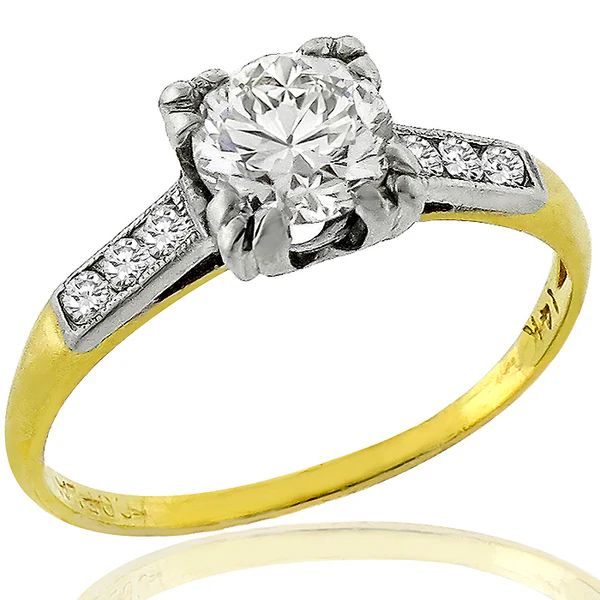
Victorian engagement rings represent one of the most romantic and historically rich styles in the world of fine jewelry. Inspired by the Victorian era that spanned from 1837 to 1901 during the reign of Queen Victoria, these rings reflect a time when jewelry design was deeply influenced by love, symbolism, and intricate craftsmanship. Today, Victorian rings continue to capture attention for their unique beauty, antique charm, and meaningful design elements that make them a special choice for engagement jewelry.
The Historical Significance of the Victorian Era
The Victorian period was a transformative time for jewelry design. Queen Victoria herself played a major role in shaping engagement ring traditions. When Prince Albert proposed to Queen Victoria with a snake-shaped ring symbolizing eternal love, the design became highly fashionable among couples throughout Europe. Jewelry during this time was not just decorative; it often carried symbolic meanings representing love, loyalty, and devotion.
During the Victorian era, jewelers began experimenting with different gemstones, elaborate metalwork, and sentimental motifs. This creativity led to the creation of distinctive rings that are still admired today for their historical significance and romantic storytelling.
Distinctive Design Characteristics
Victorian rings are known for their detailed craftsmanship and symbolic elements. Unlike many modern rings that focus primarily on the diamond center stone, Victorian designs often highlight artistic details and meaningful patterns.
Common design features include:
-
Intricate metalwork and engraved patterns
-
Floral and nature-inspired motifs
-
Decorative settings with ornate shapes
-
Use of yellow or rose gold as the primary metal
-
Unique gemstone combinations
These design elements give Victorian rings a personality that feels elegant and timeless while maintaining a strong connection to historical craftsmanship.
Gemstones Used in Victorian Rings
While diamonds were certainly popular during the Victorian era, jewelers frequently incorporated a variety of gemstones into engagement ring designs. Colored stones were often chosen not only for their beauty but also for their symbolic meaning.
Popular gemstones included:
-
Diamonds, representing purity and strength
-
Sapphires, symbolizing loyalty and sincerity
-
Rubies, associated with passion and love
-
Emeralds, representing growth and harmony
-
Pearls, which were highly fashionable during the era
These gemstones were sometimes arranged in clusters or unique settings, creating designs that look dramatically different from the typical modern solitaire ring.
Craftsmanship and Handcrafted Details
One of the most remarkable aspects of Victorian rings is the level of craftsmanship involved in their creation. Jewelry during this period was primarily handmade, allowing artisans to focus on intricate details and decorative elements.
Many rings feature:
-
Hand engraving along the band
-
Delicate filigree patterns
-
Milgrain detailing around gemstones
-
Elaborate gallery work beneath the setting
These handcrafted techniques required significant skill and patience. As a result, many Victorian pieces appear almost like miniature works of art rather than simple jewelry items.
The Romantic Symbolism in Victorian Jewelry
Symbolism played a central role in Victorian jewelry design. Rings often included hidden meanings expressed through shapes, gemstones, and motifs. For example, flowers represented love and beauty, while hearts symbolized affection and commitment.
Another popular style was the “acrostic ring,” where gemstones were arranged to spell words using the first letter of each stone. For example, a ring featuring Ruby, Emerald, Garnet, Amethyst, Ruby, and Diamond spelled the word “REGARD.”
This sentimental approach made engagement rings feel deeply personal, reflecting emotions and messages that went beyond simple decoration.
Why Victorian Rings Remain Popular Today
Although the Victorian era ended more than a century ago, rings from this period continue to be admired by collectors, jewelers, and couples seeking something truly unique. One reason for their lasting popularity is the combination of romantic history and distinctive design.
Modern couples are increasingly drawn to jewelry that stands out from mass-produced styles. Victorian pieces offer individuality and character that cannot easily be replicated by contemporary manufacturing methods.
Another factor is the timeless elegance of the designs. Even after many decades, the intricate patterns and gemstone combinations still feel sophisticated and visually striking.
A Sustainable and Meaningful Choice
Choosing antique jewelry can also be considered an environmentally responsible decision. Since these pieces already exist, purchasing them reduces the demand for newly mined gemstones and metals. This concept of “sustainable luxury” has become increasingly important to modern buyers.
Victorian rings provide an opportunity to own a piece of history while making a thoughtful and responsible choice. Many couples appreciate the idea that their ring carries both historical significance and environmental awareness.
Styling Victorian Rings with Modern Jewelry
Although Victorian rings are rooted in historical design, they pair beautifully with modern jewelry. Many people choose to combine antique engagement rings with contemporary wedding bands, creating a balanced and elegant bridal set.
Because these rings often feature intricate detailing, they can also stand alone as statement pieces. Their unique appearance allows them to complement both classic and modern fashion styles, making them versatile for everyday wear.
Caring for Victorian Jewelry
Due to their age and delicate craftsmanship, antique rings require proper care to maintain their beauty and durability. Owners should take a few simple precautions to preserve the condition of these historic pieces.
Recommended care tips include:
-
Avoid exposure to harsh chemicals or cleaning agents
-
Remove rings during strenuous activities
-
Store jewelry in a soft-lined box to prevent scratches
-
Have the setting inspected periodically by a professional jeweler
With proper care, these rings can continue to be worn and admired for many more generations.
Conclusion
Victorian rings hold a special place in the world of antique jewelry because they combine romance, history, and exceptional craftsmanship. Their intricate designs, symbolic elements, and unique gemstone arrangements make them stand apart from modern engagement rings. For couples who appreciate vintage elegance and meaningful design, choosing a Victorian piece can be a beautiful way to celebrate love while honoring a rich jewelry tradition. The timeless appeal of these rings ensures that their beauty and significance will continue to inspire future generations.

 English
 French
 Spanish
 Portuguese
 Deutsch
 Turkish
 Dutch
Dutch
 Italiano
 Russian
 Romaian
 Portuguese (Brazil)
 Greek
Greek