
Laser Tattoo Removal Explained: Colors, Sizes, and Results
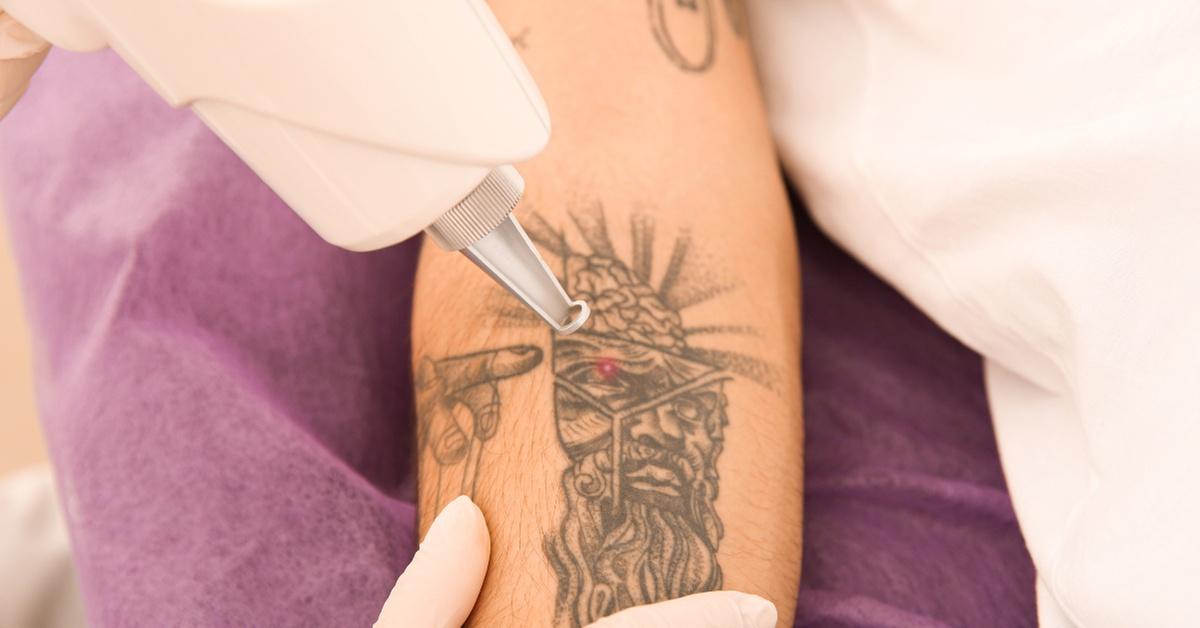
In the sophisticated medical landscape of 2026, Laser Tattoo Removal has transformed from a long-term struggle into a manageable, high-precision science. While many understand the general concept of "laser away the ink," the reality is that every tattoo is a unique chemical puzzle. Factors such as the specific pigments used, the surface area covered, and even where the tattoo sits on your body play a critical role in the speed and success of the removal.
For those in Dubai looking to refine their appearance, understanding these variables is the key to setting realistic expectations and achieving a truly clear result.
Basics of Laser Tattoo Removal
At its core, laser removal is a process of fragmentation. Tattoo ink particles are too large for the body's natural defenses to remove on their own. The laser delivers concentrated energy that vibrates and shatters these particles into microscopic "dust."
In 2026, we primarily use Picosecond technology, which pulses in trillionths of a second. This speed allows us to break down ink more thoroughly than older lasers, often resulting in fewer total sessions and better protection for the surrounding skin.
Ink Colors and Removal Difficulty
The color of your ink is the single most important factor in determining removal difficulty. Each color absorbs light differently:
-
Black and Dark Blue (Easy): These are the "universal absorbers." They take in all laser wavelengths, making them the most straightforward to treat.
-
Red and Warm Tones (Moderate): These require a specific 532nm wavelength. While they respond well, they must be treated carefully to avoid surface skin irritation.
-
Green and Sky Blue (Challenging): These colors often reflect standard laser light. They require specialized 755nm or 730nm wavelengths to "see" and shatter the pigment.
-
Yellow, Orange, and White (Difficult): These light colors are often the most stubborn. White ink, in particular, can sometimes "oxidize" or turn darker before it begins to fade.
Tattoo Size and Placement Impact
The logistics of your tattoo also dictate the treatment roadmap:
Size
Small, "postage stamp" sized tattoos can be treated in under a minute. Large-scale pieces, such as full sleeves or back tattoos, are typically treated in sections. This prevents the body’s lymphatic system from being overwhelmed by a massive release of ink particles at once.
Placement
The "Heart-to-Ink" distance matters. Your lymphatic system is the "cleaning crew" that carries away shattered ink. Tattoos on the neck, chest, or upper arms (closer to the heart and major lymph nodes) tend to fade much faster than tattoos on the hands, ankles, or feet, where circulation is slower.
Sessions Needed for Full Removal
While every patient is different, most 2026 protocols at Tajmeels Clinic anticipate:
-
4 to 6 sessions for simple, amateur, or faded tattoos.
-
8 to 12 sessions for dense, professional, and multi-colored tattoos.
Each session is spaced 6 to 8 weeks apart. This gap is non-negotiable; your body needs this time to actually remove the ink the laser has shattered.
Pain Management During Treatment
The "pain" of laser removal is often compared to a rubber band snapping against the skin. To ensure a comfortable experience in our Dubai facility, we utilize
- Topical Anesthetics: High-potency numbing creams applied 30 minutes before the start.
- Cryo-Cooling: A constant stream of sub-zero air (-30°C) directed at the treatment site to instantly numb the nerves and prevent heat buildup.
-
Speed: Because Picosecond pulses are so fast, the actual laser time for a medium tattoo is often less than three minutes.
Skin Type Considerations
In a diverse city like Dubai, we treat a wide array of skin tones. We use the Fitzpatrick Scale to determine the safest settings:
-
Lighter Skin Tones: Can typically handle higher energy levels with a lower risk of pigment changes.
-
Darker Skin Tones: Require a "Slow and Steady" approach. We use longer wavelengths (like 1064nm) that bypass the melanin in the skin to target the ink directly, preventing "ghosting" or light spots.
Real Results Timeline
-
Immediately After: You may see "frosting" (white bubbles) and minor swelling.
-
Weeks 1–2: The skin heals on the surface. The tattoo may look slightly darker or "blurry."
-
Weeks 3–8: This is the active fading phase. You will notice the lines of the tattoo becoming broken or "speckled" as the ink is carried away.
-
6 Months+: For most, this is the window where complete or near-complete clearance is visible.
Conclusion
Laser Tattoo Removal is a journey of biology and technology. By understanding how your specific colors, size, and placement affect the process, you can move forward with confidence. With the advanced Picosecond systems available today, clear skin is no longer a "maybe"—it is a planned destination.
At Tajmeels Clinic, our specialists are experts in the chemical and physical nuances of ink removal. We provide the personalized care and advanced technology necessary to ensure your journey to clear skin is safe and successful.

 English
 Arabic
 French
 Spanish
 Portuguese
 Deutsch
 Turkish
 Dutch
Dutch
 Italiano
 Russian
 Romaian
 Greek
Greek