
How Are HYAcorp Fillers Sterilized for Use?
Injectable dermal fillers continue to be among the most popular aesthetic treatments worldwide, helping with facial rejuvenation, volume restoration, and body contouring. Among these, HYAcorp Fillers a range of hyaluronic acid‑based products from a German manufacturer stand out for their quality, biocompatibility, and safety profile. A crucial part of delivering that safety is sterilization. But have you ever wondered how these fillers are made safe for use inside the human body?
In this comprehensive article, we’ll break down how HYAcorp Fillers are sterilized and what that means for both healthcare professionals and patients.
Understanding the Basics: What Are HYAcorp Fillers?
At their core, HYAcorp Fillers are hyaluronic acid (HA) gels created for aesthetic enhancements such as contouring the face and body. Hyaluronic acid itself is a naturally occurring molecule in the body known for holding moisture and supporting connective tissue — which makes it ideal for cosmetic applications. HYAcorp products are made with cross‑linked hyaluronic acid in defined particle sizes, designed to balance longevity and biological compatibility. All products in the HYAcorp line are CE‑marked and manufactured under stringent quality controls.
However, no matter how biologically compatible a product might be, injectable fillers must be sterile. Injecting non‑sterile material could introduce infection or other complications.
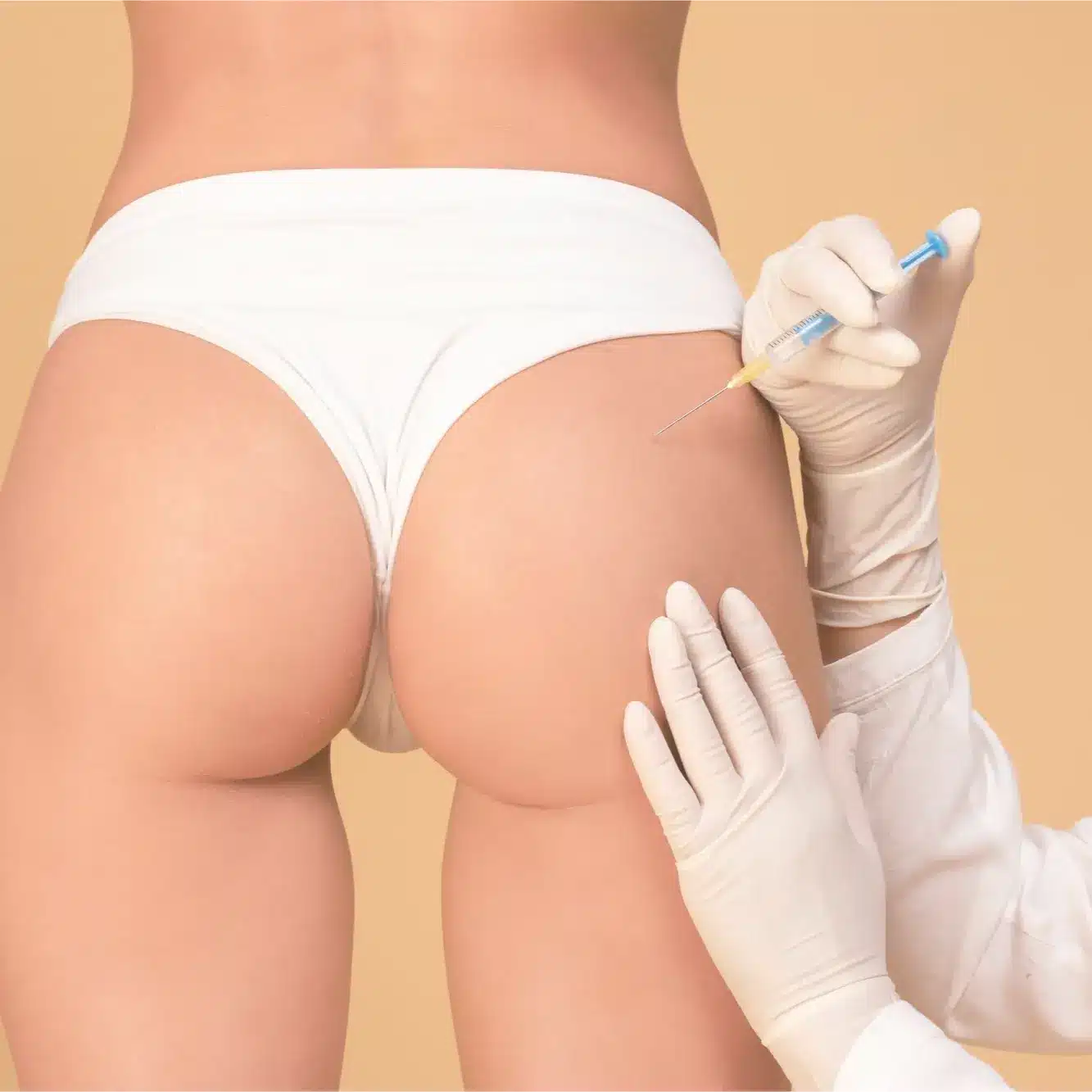
Why Sterility Matters for Injectable Fillers
Injectable products bypass many of the body’s natural barriers to infection — such as skin and mucous membranes — meaning that any microbe present in the filler could be introduced directly into deeper tissues. Even trace contamination could potentially cause inflammation or infection. That’s why dermal fillers undergo rigorous sterilization and quality assurance before arriving in a clinic.
For HYAcorp Fillers, sterility isn’t an afterthought: it’s part of the regulatory pathway for CE approval — a standard demonstrating conformity with health and safety requirements.
The Manufacturing Process: Building Sterile Fillers
1. Purification and Preparation of Hyaluronic Acid
The first stage begins long before sterilization: the HA itself is derived from microbial fermentation, not animal sources. This reduces the risk of immune reactions and impurity. Manufacturers use highly controlled processes to ensure that the hyaluronic acid meets purity specifications before any filler formulation is created.
After fermentation, the HA is cross‑linked using safe chemical agents (commonly BDDE) to transform it into a stable gel. Quality checks — including measurements of cross‑linking levels, particle size distribution, and residual chemical content — occur before sterilization. In the case of HYAcorp, batches are released only after sterility controls and other parameters are verified.
2. Terminal Sterilization of Prefilled Syringes
Many HA fillers — including those like HYAcorp — are sterilized in their final container, typically a single‑use syringe. This method is called terminal sterilization and is often preferred when the product can tolerate the process.
So what does terminal sterilization entail?
-
Moist‑Heat (Steam) Sterilization: This is the most common method for hyaluronic acid injectables. Sterilization uses pressurized steam at controlled temperatures (often above 110–120°C) for a defined period to effectively kill microbes. Specialized equipment ensures that the syringe, plunger, and HA gel are all exposed to sterilizing conditions without compromising the integrity of the product.
‑ Controlled Pressure and Temperature: Because HA gels are sensitive to heat, manufacturers monitor both temperature and duration closely to avoid degrading the gel’s physical properties while still achieving sterility. Sterilization cycles may include back‑pressure control to prevent damage or displacement of the syringe components.
Once sterilization is complete, the syringes are sealed and stored under controlled conditions to preserve their sterile state until use.
3. Aseptic Manufacturing as an Alternative
Some injectable products that are heat‑sensitive may undergo aseptic processing, where all components and containers are separately sterilized and then assembled in a sterile environment. This method requires strict environmental controls, specialized cleanrooms, and trained personnel. While terminal sterilization is generally favored for HA fillers, aseptic processing is an important alternative for products that can’t withstand heat.
Even after either type of sterilization, manufacturers will test samples to confirm sterility — typically using culture tests to ensure no viable microbes remain.
Quality Checks Beyond Sterilization
Sterility is just one part of the safety puzzle. For HYAcorp Fillers, each batch also undergoes:
-
Endotoxin testing – Ensures levels of bacterial by‑products are below safe thresholds.
-
Residual BDDE checks – Confirms free cross‑linker levels are within regulatory limits.
-
Batch traceability and certification – Each product comes with documentation verifying its compliance with manufacturing and safety standards.
These additional safeguards add layers of protection and help maintain confidence among practitioners and patients alike.
What Sterilization Means for Clinicians and Patients
For clinicians, knowing how a filler is sterilized helps guide storage, handling, and administration protocols. Even with perfectly sterile fillers, every injection must be performed in a clean, properly prepared clinical environment to maintain that sterility up to the moment of use.
For patients, understanding that HYAcorp Fillers undergo strict sterilization as part of their manufacturing process reinforces their suitability for aesthetic applications when used responsibly by trained professionals.
Conclusion
The sterilization of HYAcorp Fillers plays a pivotal role in ensuring these products are safe and effective for injectable aesthetic use. Through refined manufacturing — including microbial purification, cross‑linking, and terminal sterilization in prefilled syringes — these fillers meet rigorous safety standards and support clinician confidence. With global regulatory approvals and strict batch testing, the sterility of HA fillers contributes significantly to their widespread adoption and trusted use in aesthetic medicine.
By unpacking the science and care behind sterilization, patients and professionals alike can better appreciate the meticulous work that goes into delivering safe, injectable filler products.

 English
 Arabic
 French
 Spanish
 Portuguese
 Deutsch
 Turkish
 Dutch
Dutch
 Italiano
 Russian
 Portuguese (Brazil)
 Greek
Greek