
The Role of Sewer Suction Machines in Smart City Projects
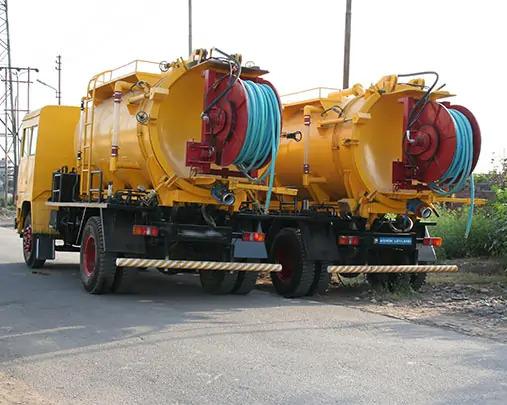
Rapid urbanization has significantly increased the demand for efficient urban infrastructure and sanitation systems. As cities expand, maintaining clean and functional sewer networks becomes a critical challenge. Smart City projects aim to address these challenges through the integration of advanced technologies, sustainable infrastructure, and improved municipal services. Among the various technological solutions being adopted, sewer suction machines play a vital role in maintaining urban sanitation and ensuring the smooth operation of sewage systems. These machines help cities manage wastewater efficiently, reduce health hazards, and improve the quality of life for urban residents.
Understanding Sewer Suction Machines
Sewer suction machines are specialized vehicles or equipment designed to remove sludge, debris, and waste materials from sewer lines, drains, septic tanks, and manholes. These machines typically use high-capacity vacuum pumps and storage tanks to suck up accumulated waste and transport it to disposal or treatment facilities. Depending on the design, many machines are equipped with high-pressure jetting systems that break down hardened sludge before suction, improving cleaning efficiency.
Modern sewer suction machines are available in various capacities, ranging from 2,000 liters to 9,000 liters, and often use powerful rotary vane vacuum pumps for effective suction. These machines can be mounted on truck chassis, allowing mobility across different urban areas and enabling quick response to sewer blockages and drainage problems.
Importance in Smart City Infrastructure
Smart City initiatives focus on improving urban living through technology-driven solutions. Efficient waste management and sanitation systems are key components of this vision. Sewer suction machines support these goals in several important ways.
1. Efficient Sewer Maintenance
Urban sewer systems often accumulate sludge, sand, grease, and other waste materials that can block pipelines. Traditional cleaning methods are slow and labor-intensive, making it difficult to maintain extensive sewer networks. Sewer suction machines provide a fast and efficient solution by quickly removing large volumes of waste from sewer lines.
For instance, modern suction-cum-jetting machines can remove hundreds of liters of sludge per minute and are capable of cleaning drains even in narrow streets. Such technology helps municipalities maintain drainage systems and prevent waterlogging, which is a common problem in rapidly growing cities.
2. Reduction of Manual Scavenging
Manual sewer cleaning has historically been a hazardous occupation in many developing countries. Workers are exposed to toxic gases, bacteria, and other health risks while cleaning manholes and drains. Smart City projects emphasize the elimination of manual scavenging through mechanized cleaning technologies.
The deployment of advanced sewer cleaning machines and robotic systems significantly reduces the need for workers to enter sewer lines. This not only improves worker safety but also promotes dignity and better working conditions for sanitation staff. Several municipalities have introduced mechanized cleaning systems under Smart City programs to eliminate dangerous manual practices.
3. Improved Public Health and Hygiene
Blocked drains and overflowing sewer lines can lead to serious public health issues. Stagnant wastewater becomes a breeding ground for disease-causing microorganisms and insects. Poorly maintained sewer systems may also contaminate drinking water sources, leading to outbreaks of waterborne diseases.
Sewer suction machines help prevent these issues by ensuring timely cleaning and maintenance of sewer networks. By removing waste and sludge from drains, these machines help keep urban environments cleaner and healthier. Effective sewer management is therefore a critical component of public health strategies within Smart City initiatives.
4. Prevention of Urban Flooding
Many cities face flooding during heavy rainfall due to clogged drainage systems. When drains are blocked with debris and sediment, rainwater cannot flow freely, resulting in waterlogging on streets and residential areas.
Regular cleaning using sewer suction machines ensures that drainage systems remain clear and functional. By removing accumulated sludge and waste from drains, municipalities can significantly reduce the risk of flooding during monsoon seasons. This improves urban resilience and protects infrastructure from water damage.
5. Increased Operational Efficiency for Municipalities
Municipal corporations are responsible for maintaining thousands of kilometers of sewer pipelines in large cities. Manual methods are inefficient for handling such extensive networks. Sewer suction machines allow municipal teams to cover larger areas in less time.
For example, several cities have introduced modern sanitation fleets that include suction machines and other mechanized equipment to improve waste management services. These machines help municipalities deliver faster and more reliable sewer maintenance while reducing operational delays.
6. Integration with Smart Technologies
In modern Smart City frameworks, sewer management systems are increasingly integrated with digital technologies such as sensors, remote monitoring, and data analytics. Sewer suction machines can be part of these systems, providing data on maintenance operations and enabling predictive infrastructure management.
Some advanced machines are equipped with cameras, GPS systems, and automated monitoring tools. These technologies allow authorities to inspect sewer conditions, detect blockages early, and schedule maintenance efficiently. Such smart monitoring systems improve the overall performance of urban sanitation infrastructure.
Environmental Benefits
Beyond sanitation, sewer suction machines also contribute to environmental sustainability. Efficient sewer cleaning prevents untreated wastewater from entering rivers, lakes, and groundwater sources. This reduces environmental pollution and protects aquatic ecosystems.
Additionally, proper removal and disposal of sludge enable wastewater treatment plants to operate more efficiently. When sewage is managed effectively, cities can also explore water recycling and reuse initiatives, which are important for sustainable urban development.
Challenges in Implementation
Despite their advantages, the adoption of sewer suction machines in Smart City projects faces several challenges. One of the main obstacles is the high initial investment required for purchasing and maintaining advanced machines. Municipalities must allocate sufficient budgets for equipment, training, and maintenance.
Another challenge is the need for skilled operators. Proper training is essential to ensure that the machines are used safely and efficiently. Without adequate training programs, municipalities may not fully utilize the potential of these technologies.
Additionally, older cities with narrow streets or outdated sewer infrastructure may find it difficult to deploy large suction vehicles. In such cases, smaller machines or robotic systems may be required.
The Future of Sewer Cleaning in Smart Cities
The future of sewer management in Smart Cities is likely to involve greater automation and technological innovation. Robotic sewer cleaning systems, artificial intelligence, and Internet of Things (IoT) sensors are increasingly being used to monitor and maintain sewer networks.
These advanced systems can detect blockages, monitor gas levels, and identify maintenance needs in real time. When combined with sewer suction machines, they create an integrated sanitation management system that improves efficiency and safety.
Governments and municipal bodies are also investing in research and development to create more compact, energy-efficient, and environmentally friendly sewer cleaning technologies. As Smart City projects expand, the role of mechanized sanitation equipment will continue to grow.
Conclusion
Sewer suction machines are a crucial component of modern urban sanitation systems and play a significant role in the success of Smart City projects. By enabling efficient sewer maintenance, reducing manual scavenging, improving public health, and preventing urban flooding, these machines contribute to safer and cleaner cities.
As urban populations continue to grow, the demand for reliable sewer infrastructure will increase. Smart Cities must therefore adopt advanced sanitation technologies to manage wastewater effectively. Sewer suction machines, combined with digital monitoring systems and robotic solutions, represent an important step toward building sustainable, hygienic, and technologically advanced urban environments.

 English
 Arabic
 French
 Spanish
 Portuguese
 Deutsch
 Dutch
Dutch
 Italiano
 Russian
 Romaian
 Portuguese (Brazil)
 Greek
Greek