
Varicose Veins: Causes, Symptoms & Modern Treatment Options
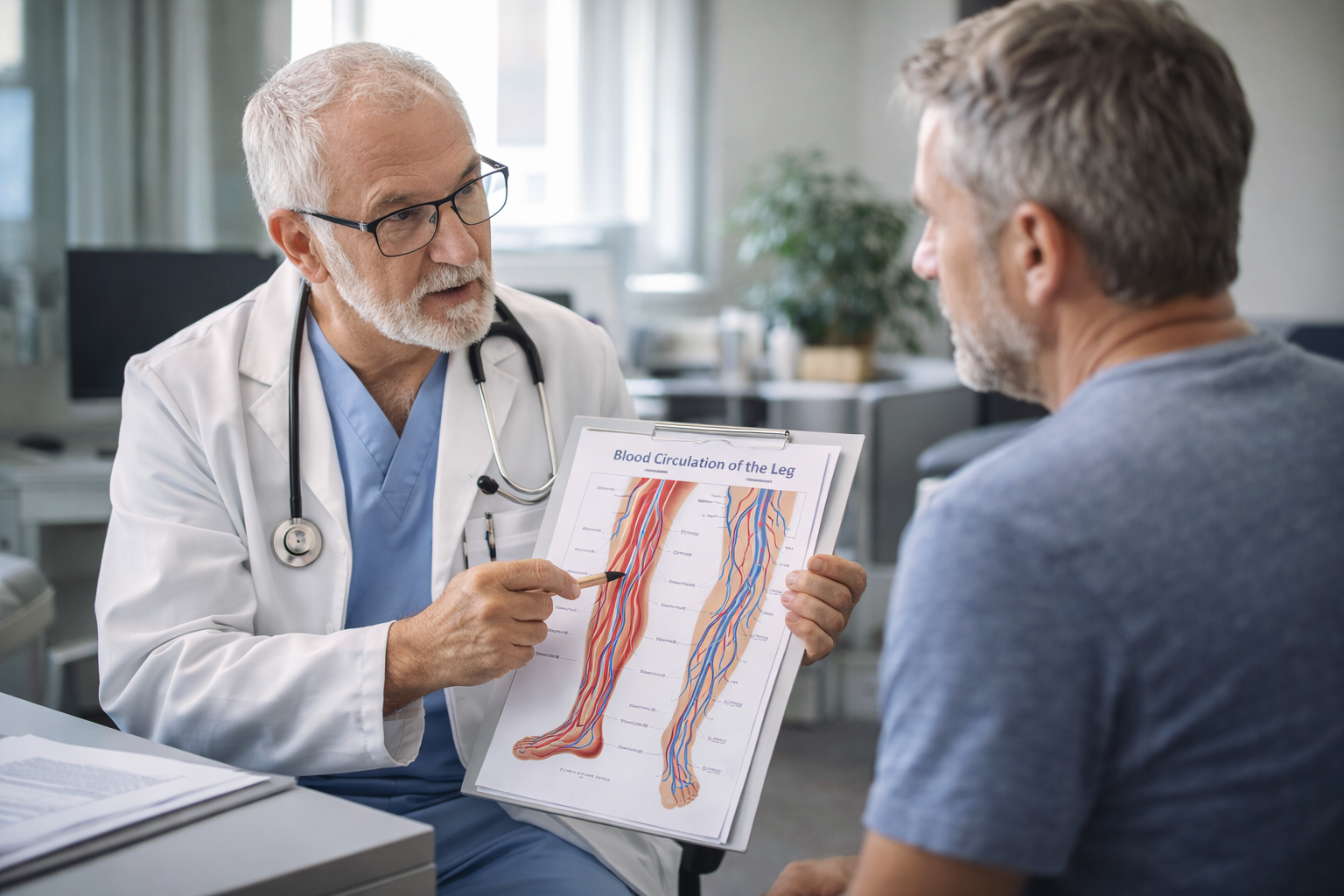
Varicose veins are more than just a cosmetic concern. These enlarged, twisted veins — commonly seen in the legs — can cause discomfort, swelling, and long-term complications if left untreated. Understanding the early signs and available treatments can help you take timely action.
What Are Varicose Veins?
Varicose veins occur when the valves inside your veins weaken or become damaged. These valves normally help blood flow upward toward the heart. When they fail, blood pools in the veins, causing them to enlarge and become visible under the skin.
They most commonly affect the legs because standing and walking increase pressure in the lower body veins.
Common Causes
Several factors increase the risk of developing varicose veins:
-
Prolonged standing or sitting
-
Obesity
-
Pregnancy
-
Aging
-
Family history of vein problems
-
Hormonal changes
Women are slightly more prone to developing varicose veins than men.
Symptoms You Should Not Ignore
While some people experience only visible veins, others may develop uncomfortable symptoms such as:
-
Aching or heavy feeling in the legs
-
Swelling in ankles and feet
-
Burning or throbbing sensation
-
Itching around the veins
-
Skin discoloration near the ankles
-
Leg ulcers in severe cases
If symptoms persist or worsen, medical evaluation is recommended.
Are Varicose Veins Dangerous?
In early stages, they may not pose serious health risks. However, untreated varicose veins can lead to:
-
Chronic venous insufficiency
-
Skin changes and pigmentation
-
Painful venous ulcers
-
Superficial thrombophlebitis
-
Increased risk of deep vein thrombosis (rare but possible)
Early treatment prevents complications and improves quality of life.
Modern Treatment Options
Today, most varicose vein treatments are minimally invasive and do not require major surgery.
1. Endovenous Laser Treatment (EVLT)
A laser fiber is inserted into the affected vein to seal it from within. It is a quick procedure with minimal downtime.
2. Radiofrequency Ablation (RFA)
Uses heat energy to close diseased veins safely and effectively.
3. Sclerotherapy
A special solution is injected into smaller veins, causing them to collapse and fade.
4. Surgical Removal (Rarely Needed Today)
Reserved for severe or complicated cases.
Most patients return to normal activities within a few days.
When Should You See a Vascular Specialist?
Consult a vascular surgeon if you experience:
-
Persistent leg pain or swelling
-
Skin discoloration
-
Non-healing sores near the ankle
-
Sudden increase in symptoms
Early diagnosis ensures the best outcomes.
Prevention Tips
While not all varicose veins can be prevented, you can reduce risk by:
-
Exercising regularly
-
Maintaining a healthy weight
-
Avoiding prolonged standing
-
Elevating your legs when resting
-
Wearing compression stockings if advised
Final Thoughts
Varicose veins are common but treatable. With advanced minimally invasive procedures available today, patients can experience relief with faster recovery and minimal discomfort. Seeking timely consultation can prevent complications and improve overall vascular health.

 English
 Arabic
 French
 Portuguese
 Deutsch
 Turkish
 Dutch
Dutch
 Italiano
 Russian
 Romaian
 Portuguese (Brazil)
 Greek
Greek