
Home Building Loans: Rates, Requirements and How to Qualify
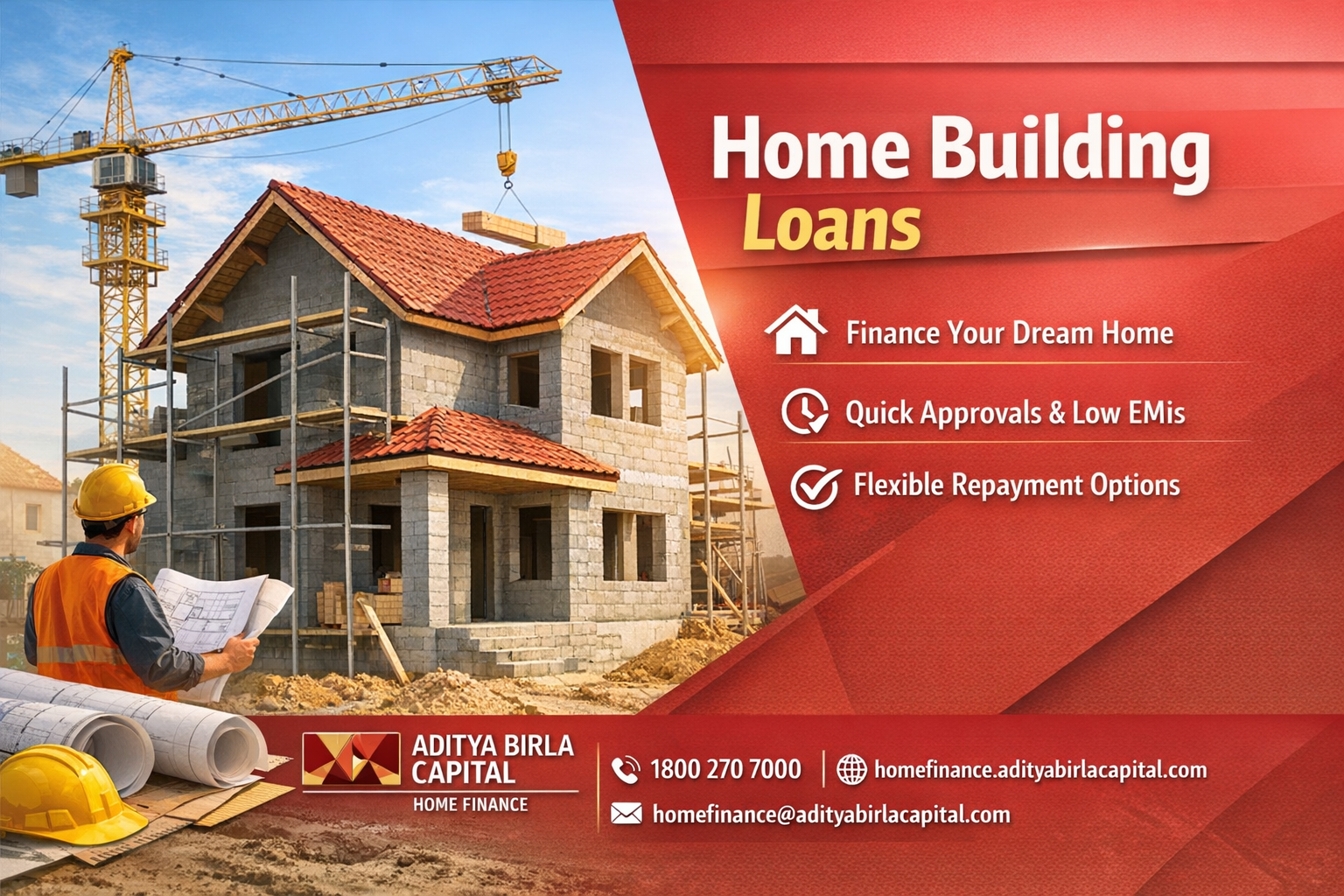
Building your dream home from the ground up is an exciting milestone. Unlike buying a ready property, constructing a house gives you complete control over design, layout, and materials. However, financing such a project requires careful planning. This is where home building loans play a vital role.
In this guide, we will explore interest rates, eligibility requirements, and practical tips to help you qualify with ease.
What Are Home Building Loans?
Home building loans are specialized financial products designed to fund the construction of a residential property on a plot you own or plan to purchase. Unlike regular home loans that are disbursed in a lump sum for buying a ready property, these loans are typically released in stages based on the progress of construction.
The lender evaluates the estimated cost of construction, land value, and your repayment capacity before approving the loan amount. Funds are then disbursed in phases such as foundation, structure, roofing, and finishing.
Interest Rates on Home Building Loans
Interest rates are one of the most important factors when choosing home building loans. Rates can vary depending on the lender, loan amount, credit profile, and market conditions.
Generally, the interest rates may be:
-
Fixed rate, where the interest remains constant for a specific period
-
Floating rate, where the interest changes according to market benchmarks
Floating rates are often preferred because they may reduce your interest burden when market rates fall. However, they can increase during periods of rising interest rates.
To secure a competitive rate, borrowers should maintain a strong credit score, stable income, and low existing debt obligations.
Eligibility Requirements for Home Building Loans
Before applying, it is important to understand the basic eligibility criteria. Although specific requirements vary across lenders, most financial institutions consider the following:
1. Age Criteria
Applicants are usually required to be within a specific age bracket, such as 21 to 65 years. The loan tenure must typically end before the maximum eligible age.
2. Income and Employment Stability
Salaried individuals, self employed professionals, and business owners can apply. Lenders assess monthly income, job stability, and business continuity to evaluate repayment capacity.
3. Credit Score
A healthy credit score significantly improves your chances of approval. A score above 750 is often considered favorable. A higher score may also help you negotiate better terms.
4. Ownership of Land
Most lenders require clear ownership documents of the plot where construction will take place. The land title must be legally valid and free from disputes.
5. Approved Construction Plan
You may need to submit an approved building plan from the local municipal authority along with a detailed cost estimate.
Documents Required to Apply
When applying for home building loans, keep the following documents ready:
-
Identity and address proof
-
Income proof such as salary slips or income tax returns
-
Bank statements for the last six months
-
Property documents of the land
-
Approved construction plan and cost estimate
Proper documentation speeds up the approval process and reduces the risk of delays.
How to Qualify for Home Building Loans Easily
Getting approved is easier when you prepare in advance. Here are some practical steps to improve your eligibility.
Improve Your Credit Profile
Pay all existing EMIs and credit card bills on time. Avoid taking multiple loans simultaneously before applying.
Maintain a Healthy Debt to Income Ratio
Your total monthly debt payments should ideally not exceed 40 to 50 percent of your monthly income. Lower liabilities increase lender confidence.
Arrange a Higher Down Payment
Although lenders may finance a significant portion of construction costs, contributing more from your savings reduces the loan burden and improves approval chances.
Provide Accurate Cost Estimates
Underestimating or overestimating construction costs can lead to complications. Work with a certified architect or contractor to prepare a realistic budget.
Choose the Right Tenure
Opt for a loan tenure that balances affordable EMIs with manageable interest costs. Longer tenures reduce monthly payments but increase overall interest.
Benefits of Choosing Home Building Loans
There are several advantages to opting for this type of financing:
-
Stage wise disbursement ensures funds are used efficiently
-
Interest is charged only on the amount disbursed
-
Flexible tenure options help manage repayment
-
Tax benefits may be available on principal and interest payments, subject to applicable laws
These benefits make such loans a practical solution for individuals who prefer constructing a custom home.
Final Thoughts
Constructing your own home requires financial discipline and careful planning. Understanding interest rates, eligibility conditions, and documentation requirements can simplify the process significantly. By maintaining a strong credit profile, stable income, and proper paperwork, you can improve your chances of approval and secure favorable terms.
With the right preparation and financial partner, home building loans can help transform your vision of a dream home into reality while keeping your finances well structured and manageable.

 English
 Arabic
 French
 Spanish
 Portuguese
 Deutsch
 Turkish
 Dutch
Dutch
 Italiano
 Russian
 Portuguese (Brazil)
 Greek
Greek