
Breast Implants in Dubai: A Clinical Guide to Results
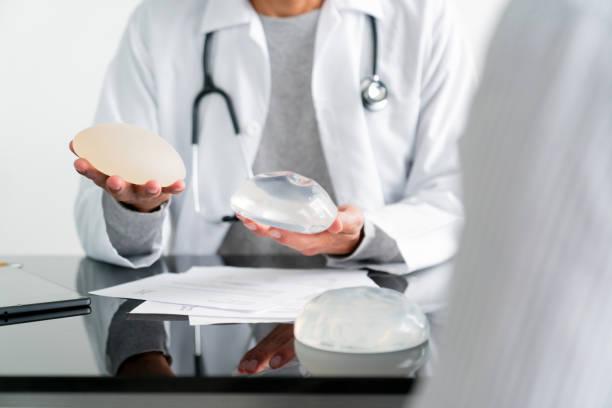
The decision to undergo breast augmentation is rarely about vanity; for most, it is a journey toward restoring anatomical balance or reclaiming self-confidence after significant life changes like weight loss or pregnancy. Breast implants in Dubai have evolved beyond simple volume increases to become a sophisticated exercise in body proportioning. In clinical settings, we observe that the most successful outcomes occur when a patient’s unique thoracic anatomy is matched with the appropriate implant profile. However, many women arrive at their consultation with deep-seated fears regarding the "feel" of the implant, the reality of the surgical recovery, and long-term safety. This guide provides a transparent, evidence-based look at what to truly expect.
What is the Reality of Getting Breast Implants in Dubai?
The modern landscape of breast surgery focuses heavily on "biocompatibility" and "cohesive integrity." When considering breast implants in Dubai, patients must choose between different shell textures and fill densities—primarily highly cohesive silicone (often called "Gummy Bear" implants) or saline. Based on post-procedure follow-ups, the choice of implant shape (round vs. anatomical) depends largely on the existing amount of natural breast tissue available to "cloak" the device.
-
Cohesive Silicone: Maintains its shape even if the shell is compromised; mimics the density of natural fat.
-
Saline Options: Can be filled through smaller incisions but may have a higher risk of "rippling" in thin patients.
-
Profile Selection: High-profile implants provide more forward projection, while low-profile options offer a wider, more subtle base.
Is the Procedure for Breast Implants in Dubai Painful?
What are the actual pain levels during treatment?
Most patients describe the sensation not as sharp pain, but as an intense "pressure" or "tightness" across the chest. In clinical settings, we observe that the discomfort is highest during the first 48 hours, particularly if the implant is placed "sub-muscularly" (under the pectoral muscle).
In clinical observation, we find that pain management has significantly improved with the use of long-acting local anesthetics during surgery. Patients often report that the sensation feels like a "very heavy chest day at the gym" rather than a traditional surgical wound.
-
Immediate Post-Op: A feeling of "heaviness" and restricted deep breathing due to the surgical bra.
-
Day 3–5: The peak of "tightness" as the muscle begins to stretch and accommodate the new volume.
-
Week 2: A shift from pressure to occasional "zaps" or tingling as the nerves begin to settle.
How Do Surgeons Choose the Right Placement Strategy?
Which placement is best for breast implants in Dubai?
The choice between sub-glandular (over the muscle) and sub-pectoral (under the muscle) depends on your skin thickness and lifestyle. Sub-pectoral placement is generally preferred for thin patients to prevent the implant edges from being visible, while sub-glandular may be better for athletes.
Based on post-procedure follow-ups, sub-muscular placement offers a more natural "slope" and reduces the risk of capsular contracture. However, it does involve a slightly longer initial recovery because the muscle must be gently lifted to create the "pocket" for the device.
-
Dual-Plane Technique: The modern gold standard, where the top of the implant is under the muscle and the bottom is under the gland.
-
Sub-Fascial Placement: A middle-ground option that provides more coverage than sub-glandular without disturbing the muscle fibers.
What are the Safety Considerations and Contraindications?
Who should not get breast implants in Dubai?
Women with active breast infections, untreated breast cancer, or those who are currently pregnant or breastfeeding are not candidates. Additionally, patients with certain autoimmune conditions or unrealistic expectations regarding "perfect" symmetry may be advised to delay or avoid surgery for safety.
In clinical settings, we observe that the "ideal" candidate is someone in good general health with a stable weight. Safety also involves long-term commitment; anyone getting breast implants in Dubai must be willing to undergo periodic imaging (ultrasound or MRI) to monitor the integrity of the cohesive gel over the decades.
What Does the Realistic Recovery Timeline Look Like?
What is the honest downtime after surgery?
Most women can return to a sedentary desk job within 7 to 10 days. However, "functional" recovery—such as lifting children or driving—usually takes 2 weeks, while "full" recovery for high-impact exercise requires a minimum of 6 to 8 weeks to prevent implant displacement.
Many online resources suggest a "3-day recovery," but based on post-procedure follow-ups, this is often an oversimplification. While you are mobile quickly, the internal healing of the "capsule" (the tissue pocket around the implant) takes months.
Recovery Phases and Expectations
| Milestone | Sensation & Physical Limits | Clinical Advice |
| Days 1–3 | High tightness; "burning" at incision | Use prescribed pain relief; stay hydrated |
| Week 1 | Fatigue; "sloshing" (if saline); bruising | Wear compression bra 24/7; no driving |
| Week 2 | Softening begins; "zapping" sensations | Light walking allowed; return to office |
| Month 1 | Implants "drop and fluff"; skin expands | Switch to wireless soft bras; no underwire |
| Month 3 | Scars begin to fade; final shape settles | Full gym activity; standard mammography |
What Sensations Will I Feel During the "Drop and Fluff"?
How do breast implants in Dubai feel as they heal?
During the first month, implants often sit high on the chest and feel "hard" or "wooden." The "drop and fluff" is the process where the pectoral muscle relaxes and the implant moves into its natural position, resulting in a softer, more teardrop-shaped appearance.
Patients often report feeling "internal bubbles" or clicking sounds during the first few weeks; this is simply air and fluid being reabsorbed by the body. In clinical observation, the transition from "surgical firm" to "tissue soft" is the most rewarding phase for the patient, usually occurring between weeks 6 and 12.
-
Week 4 Sensation: The breasts may feel "itchy" internally as the skin stretches.
-
Week 8 Sensation: The implants begin to move in sync with the body’s natural rhythm.
-
Month 6 Sensation: The brain effectively "forgets" the implant is there, and it feels like a natural part of the anatomy.
Real Patient Perspectives
"I was terrified of waking up in agony. While the first two days were definitely tight—like someone was sitting on my chest—it was more of a dull ache than sharp pain. The relief of finally having my proportions back was worth it." — Sarah
"I waited ten years to get breast implants in Dubai because I was scared they would feel like 'rocks.' After the third month, they softened so much. My only regret is that I didn't do it sooner." — Elena
Why Choose Tajmeels Clinic?
At Tajmeels Clinic, our surgical approach to breast implants in Dubai is rooted in the "Bio-Harmony" philosophy. We utilize advanced 3D Crisalix imaging during your consultation to show you exactly how different sizes and profiles will look on your specific frame. Our surgeons specialize in the "Minimal-Scar" technique, ensuring that your results are as discreet as they are beautiful. We prioritize patient education, providing a comprehensive "Recovery Navigator" program to support you from the moment you leave the theater until your final 1-year check-up.
Frequently Asked Questions
Can I breastfeed with implants?
Yes, most incisions allow the milk ducts to remain fully functional and undisturbed.
How long do implants last?
While not "lifetime" devices, modern implants typically last 10–15 years before a check-up.
Will I lose nipple sensation?
Temporary numbness is common, but permanent sensation loss occurs in less than 5% of cases.
Can implants cause cancer?
There is no link to breast cancer, but regular screening for rare BIA-ALCL is advised.
When can I wear an underwire bra?
In clinical settings, we recommend waiting 3 months to avoid irritating the incision scar.
How soon can I travel after surgery?
We advise waiting 10–14 days before flying to minimize the risk of blood clots.

 English
 Arabic
 French
 Spanish
 Portuguese
 Deutsch
 Turkish
 Italiano
 Russian
 Romaian
 Portuguese (Brazil)
 Greek
Greek