
Effective Spider Treatment Solutions for Gold Coast Homes: What You Need to Know
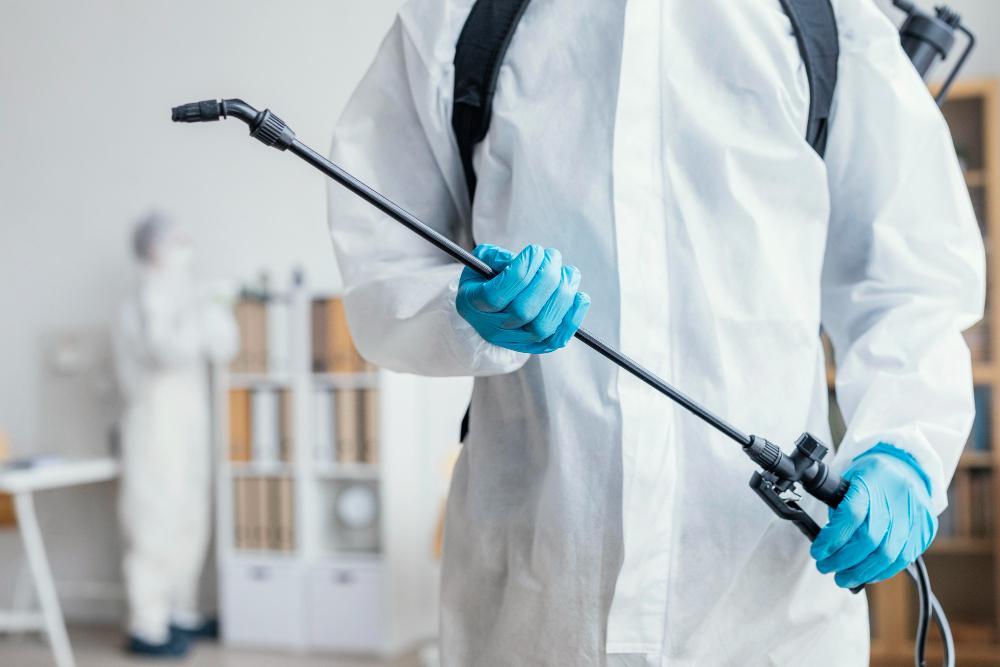
Spiders are a common presence in Gold Coast homes due to the region’s warm, humid climate and abundant vegetation. While most spiders are harmless and play a valuable role in controlling other insects, their presence inside bedrooms, living areas, and outdoor spaces can be unsettling. For some homeowners, certain species such as Redbacks and White-Tailed spiders can pose real health risks. Understanding effective spider treatment solutions is essential for creating a safer, pest-free home environment. This guide explains everything you need to know—from identifying spiders to professional treatments and long-term prevention strategies.
Why Spiders Are Common in Gold Coast Homes
Gold Coast’s subtropical climate provides ideal conditions for spiders to thrive year-round. Humidity, warmth, and access to insects attract both harmless and venomous spider species to residential areas. Homes with gardens, outdoor structures, and cluttered storage spaces are especially inviting to spiders. Other factors that contribute to spider activity include:
-
Abundant insect populations
-
Gaps, cracks, and openings around the home
-
Warm hiding spots indoors
-
Outdoor lighting that attracts insects
Because spiders are naturally drawn to environments where food is available, keeping them under control requires a combination of eliminating hiding spots, controlling food sources, and using the right spider treatment methods.
Common Spider Species in Gold Coast
Before selecting a spider treatment solution, it’s essential to understand the types of spiders you’re dealing with. Some of the most common species in Gold Coast homes include:
Redback Spider
Highly venomous and often found in dark outdoors areas like garages, sheds, and outdoor furniture. Their bites can be dangerous, making removal essential.
Huntsman Spider
Large, fast-moving, and intimidating, though not harmful. They often enter homes seeking warmth or shelter.
White-Tailed Spider
Famous for wandering indoors at night. Their bites can cause localized pain and irritation.
Wolf Spider
Ground-dwelling spiders often found in gardens and lawns. They are not aggressive but can deliver a painful bite.
Knowing the species helps you respond appropriately and determine whether professional intervention is needed.
Effective Spider Treatment Solutions for Gold Coast Homes
Achieving long-lasting spider control requires a combination of targeted treatments, preventive measures, and ongoing maintenance. Here are the most effective spider treatment solutions for homes across the Gold Coast:
1. Professional Pest Control Treatment
Hiring a licensed pest control expert is one of the most reliable ways to eliminate spiders and prevent recurring infestations. Professionals understand spider behavior, identify species, and apply treatments that deliver long-lasting protection.
Professional treatments often include:
-
Exterior perimeter spraying
-
Roof void dusting
-
Internal surface protection
-
Web removal
-
Treatment of insect populations (spider food sources)
These treatments use specially formulated products that are safe for kids and pets when applied correctly.
2. Safe Internal Spider Treatments
Indoor areas are common spots for spider activity, especially during hotter months. Interior spider treatments target hiding areas such as corners, behind furniture, under appliances, and inside wardrobes.
These treatments often involve:
-
Residual sprays
-
Dusting powders
-
Gel treatments for cracks and crevices
Internal treatments create an invisible barrier that keeps spiders away for months.
3. Outdoor Spider Treatments
Since most spider issues start outside, outdoor treatment is crucial. Spraying the home’s exterior and surrounding areas significantly reduces the number of spiders that might enter.
Outdoor treatments typically include:
-
Wall and fence spraying
-
Garden area treatment
-
Garage and shed spraying
-
Treatment of outdoor furniture
This greatly reduces the breeding and nesting of spiders.
4. Web Removal and Preventive Cleaning
While removing spider webs may seem like a simple task, it is a proven method for reducing spider presence. When webs are destroyed, spiders often relocate or fail to hunt effectively.
To maintain a spider-free home:
-
Remove webs weekly
-
Vacuum corners, light fixtures, and ceilings
-
Clean outdoor areas, patios, and sheds regularly
This prevents spiders from making themselves at home.
5. Targeting Other Pests
Spiders follow food. If your home has mosquitoes, flies, ants, or cockroaches, spiders will naturally be drawn to the space. Targeting these insects reduces the spider population indirectly.
Professional technicians often recommend combined pest treatments for long-lasting results.
6. Natural Spider Repellents
If you prefer natural solutions, several eco-friendly methods can reduce spider activity:
-
Peppermint oil spray
-
Citrus oil or vinegar solutions
-
Eucalyptus and tea tree oil
-
Natural sticky traps
While natural options may not be as long-lasting as professional treatments, they are excellent for maintaining a low-spider environment.
7. Decluttering Indoor and Outdoor Areas
Spiders love hiding in dark, cluttered spaces. Decluttering reduces their hiding spots, making your home less attractive to them.
Indoors:
-
Remove unnecessary storage piles
-
Organize wardrobes and cupboards
-
Keep under beds clean
-
Store items in sealed containers
Outdoors:
-
Clear garden debris
-
Trim bushes and shrubs
-
Move wood piles away from the home
-
Clean garages and sheds
A tidy home naturally discourages spiders.
8. Sealing Entry Points
Spiders enter homes through tiny cracks and gaps. Sealing these entry points prevents them from getting inside.
Check areas such as:
-
Window frames
-
Door gaps
-
Roof spaces
-
Wall cracks
-
Air vents
Installing mesh screens and repairing damaged seals can significantly reduce spider entry.
9. Reducing Outdoor Lighting
Outdoor lights attract insects, which in turn attract spiders. Reducing or repositioning lights can help.
Consider using:
-
Motion-sensor lights
-
Warm-colored bulbs
-
Lights placed away from doors and windows
This reduces the food sources that spiders rely on.
How Long Do Spider Treatments Last?
The duration of spider treatments depends on:
-
The level of infestation
-
The size of the property
-
Weather conditions
-
The effectiveness of maintenance
Most professional treatments last between 6 to 12 months, but homes near bushland or with persistent pest issues may require more frequent treatments.
Are Spider Treatments Safe for Pets and Children?
Modern pest control products used by professionals are designed to be safe for families when applied correctly. They are low-odor, fast-drying, and approved for residential use.
Homeowners should:
-
Keep children and pets out of treated areas until dry
-
Follow technician instructions
-
Avoid touching treated surfaces during drying time
Safety is a priority for reputable pest control companies.
When Should You Call a Professional?
You should seek expert help if:
-
You find spiders frequently inside your home
-
You see venomous species like Redbacks
-
You notice webs appearing quickly after cleaning
-
DIY treatments fail to give results
-
You suspect a larger pest problem
Professionals provide customized treatments tailored to your specific needs.
Conclusion
Spider control is essential for maintaining a safe, comfortable home environment in the Gold Coast. The region’s climate encourages spider activity year-round, making a combination of professional treatments, home maintenance, and preventive strategies the key to long-lasting results. Whether you’re dealing with venomous spiders or simply want peace of mind, effective spider treatment solutions ensure your home remains clean, safe, and pest-free.
Also read - Black Widow vs. Redback Spiders Key Differences You Should Know

 English
 Arabic
 French
 Spanish
 Deutsch
 Turkish
 Dutch
Dutch
 Italiano
 Russian
 Romaian
 Portuguese (Brazil)
 Greek
Greek