
How Canonical Tags Affect Indexing and Crawl Budget
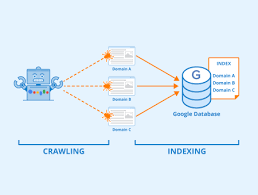
Understand How Canonical Tags Affect Indexing and Crawl Budget
Indexing and crawl budget are two areas of SEO that often stay unnoticed until something goes wrong. Many websites invest heavily in content creation and link building, yet still struggle with visibility because search engines are crawling the wrong pages or indexing duplicate URLs. Over the years, I have seen this issue repeatedly during technical audits. In most cases, canonical tags were either missing, misused, or misunderstood. Canonical tags play a critical role in guiding search engines toward the right pages, helping them index efficiently and use crawl resources wisely.
Understanding Indexing and Crawl Budget
Indexing refers to the process by which search engines store and organize web pages in their database so they can appear in search results. Crawl budget, on the other hand, is the number of URLs a search engine is willing and able to crawl on a website within a given time frame.
For small websites, crawl budget is rarely an issue. However, for large websites such as ecommerce platforms, publishers, and enterprise sites, inefficient crawling can delay indexing of important pages. When search engines spend time crawling duplicate or low value URLs, fewer resources remain for high value content.
What Canonical Tags Are and Their Core Purpose
A canonical tag is an HTML element placed in the head section of a webpage. It signals to search engines which URL should be treated as the preferred version when multiple URLs contain the same or very similar content.
Canonical tags do not block pages from being crawled. Instead, they consolidate indexing signals toward a single URL. This distinction is important because it explains how canonical tags influence crawl behavior indirectly rather than through strict blocking.
How Duplicate Content Impacts Indexing
Duplicate content does not usually result in penalties, but it does create indexing challenges. When search engines encounter multiple URLs with similar content, they must decide which one to index. This decision may not align with the site owner’s intent.
In many cases, search engines index less optimal URLs, such as parameter based versions or filtered pages. Meanwhile, the main page struggles to rank because authority signals are spread across multiple URLs. Canonical tags help prevent this by clearly identifying the preferred version.
Canonical Tags and Search Engine Index Selection
Search engines like Google use canonical tags as strong hints when choosing which URL to index. When canonical signals are clear and consistent, search engines are more likely to index the declared canonical URL.
However, canonical tags are not absolute commands. If other signals contradict them, such as internal links pointing elsewhere or inconsistent content, search engines may ignore the canonical. This is why canonical implementation must align with overall site structure.
How Canonical Tags Influence Crawl Budget
Canonical tags influence crawl budget by reducing duplication signals. When search engines understand which pages are important, they are less likely to repeatedly crawl duplicate URLs over time.
Although canonicalized pages may still be crawled occasionally, search engines gradually focus their crawl activity on canonical URLs. This improves crawl efficiency, especially on large sites with thousands of URL variations.
URL Parameters and Crawl Waste
URL parameters are a major source of crawl waste. Sorting, filtering, tracking codes, and session IDs can generate endless URL combinations with identical content.
Without canonical tags, search engines may crawl these parameterized URLs repeatedly, wasting crawl budget. Canonical tags help consolidate these variations under a single clean URL, signaling that other versions are not priority pages for indexing.
Canonical Tags vs Robots Directives
Canonical tags and robots directives serve different purposes. Robots directives such as noindex or disallow control whether pages should be indexed or crawled. Canonical tags guide search engines toward a preferred version without removing pages entirely.
Using noindex on duplicate pages can reduce crawl efficiency if not handled carefully. Canonical tags are often a better choice because they preserve link equity while still guiding indexing behavior.
Self Referencing Canonical Tags and Index Stability
Self referencing canonical tags point to the same URL they are placed on. They provide clarity and protect pages from accidental duplication caused by parameters, trailing slashes, or external linking variations.
From an indexing perspective, self referencing canonicals reinforce which URL should be indexed. This improves stability, especially during site changes or migrations.
Canonical Tags on Large Websites
Large websites generate duplicate URLs at scale. Ecommerce sites, for example, create duplicates through category paths, filters, and pagination. Content publishers may generate duplicates through tag archives and pagination.
Canonical tags help search engines understand which pages deserve indexing priority. This ensures that crawl budget is spent on product pages, core categories, and high value content rather than endless variations.
Pagination and Canonical Strategy
Pagination requires careful canonical handling. Each paginated page usually needs a self referencing canonical. Pointing all paginated pages to page one can remove valuable content from indexing and reduce visibility.
Proper canonical usage helps search engines index paginated content correctly while maintaining crawl efficiency.
Cross Domain Canonical Tags and Index Control
Cross domain canonical tags are used when the same content appears on multiple domains. This is common in content syndication or regional site setups.
From an indexing perspective, cross domain canonicals help search engines identify the original source and avoid indexing duplicate versions across domains. This reduces unnecessary crawling and indexing overlap.
Common Canonical Mistakes That Hurt Crawl Budget
One common mistake is pointing canonicals to non indexable URLs, such as pages blocked by robots.txt or marked with noindex. This creates conflicting signals and wastes crawl resources.
Another issue is dynamically changing canonicals based on user behavior or sessions. Canonical tags should be stable and predictable to support efficient crawling and indexing.
Aligning Canonicals With Internal Linking
Canonical tags work best when supported by internal linking. Internal links should point to canonical URLs rather than duplicate versions. This reinforces indexing signals and helps search engines prioritize important pages.
When internal links contradict canonical tags, search engines may ignore canonical hints and continue crawling duplicates.
XML Sitemaps and Canonical Consistency
XML sitemaps should include only canonical URLs. Including duplicate or parameterized URLs in sitemaps sends mixed signals and increases crawl waste.
When sitemaps, internal links, and canonical tags align, search engines process site structure more efficiently and index preferred pages faster.
Monitoring Indexing and Crawl Behavior
Canonical performance should be monitored regularly using Google Search Console, as recommended by the Best SEO Companies. Search Console shows which URL Google selected as the canonical and highlights indexing and coverage issues for better site management.
These insights help identify mismatches early and prevent long term crawl inefficiencies.
Canonical Tags and Crawl Budget Optimization Over Time
Canonical tags do not instantly change crawl behavior. Search engines adjust gradually as they recrawl pages and observe consistent signals.
Over time, proper canonical implementation leads to cleaner indexation, fewer duplicate URLs in search results, and more efficient crawl allocation.
Canonical Tags From an EEAT Perspective
Clear indexing and consistent URLs improve user trust and experience. Users are more likely to land on stable, authoritative pages rather than fragmented duplicates.
From a technical standpoint, proper canonical usage reflects expertise and attention to detail, supporting long term credibility and reliability.
Real World Impact of Canonical Optimization
In many audits, fixing canonical issues has led to improved index coverage and faster discovery of new pages. These gains often occur without any content changes, highlighting the power of technical clarity.
Better crawl efficiency also supports quicker updates in search results, which is especially valuable for dynamic websites.
Final Thoughts
Canonical tags are a critical tool for managing indexing and crawl budget. They help search engines understand which pages matter, consolidate ranking signals, and reduce wasted crawl activity.
Indexing issues are often not caused by lack of content but by lack of clarity. Canonical tags provide that clarity. When implemented consistently and monitored regularly, they form a strong foundation for scalable and sustainable SEO performance.
FAQs
Do canonical tags stop Google from crawling duplicate pages
Canonical tags do not completely stop crawling. They signal which page should be prioritized for indexing. Over time, search engines usually reduce crawl frequency on duplicate URLs when canonical signals are consistent.
Can canonical tags improve crawl budget on small websites
On small websites, crawl budget is rarely a limiting factor. However, canonical tags still help maintain clean indexing and prevent duplication as the site grows or changes.
What happens if canonical tags conflict with internal links
When internal links point to non-canonical URLs, search engines may ignore canonical hints. Internal linking should always support canonical URLs to strengthen indexing signals.
Are canonical tags useful for blog tag and archive pages
Yes, canonical tags can help manage duplication created by tag archives and category pages. Depending on SEO goals, these pages can either be canonicalized or given self-referencing canonicals.
Can canonical tags be used with hreflang tags
Canonical tags can be used with hreflang, but they must be implemented carefully. Each language version should typically have a self-referencing canonical to avoid indexing conflicts.
Do canonical tags affect how fast new pages are indexed
Canonical tags do not directly speed up indexing. However, by reducing crawl waste, they allow search engines to focus more on important new pages, which can indirectly improve indexing speed.
Should canonical tags be updated during site migrations
Yes, canonical tags should always be reviewed and updated during site migrations. Incorrect canonicals are a common cause of indexing issues after domain or URL structure changes.
Can too many canonical tags harm SEO
Using canonical tags incorrectly can harm SEO, especially if they point to irrelevant or non-indexable URLs. Proper planning and regular audits ensure canonical tags support indexing and crawl efficiency rather than hinder them.

 English
 Arabic
 French
 Spanish
 Deutsch
 Turkish
 Dutch
Dutch
 Italiano
 Russian
 Romaian
 Portuguese (Brazil)
 Greek
Greek