
Endometriosis Explained — Causes, Symptoms, and Modern Treatments
Introduction
Endometriosis is a complex and often painful condition that affects millions of women worldwide. Despite its prevalence, it remains underdiagnosed and misunderstood. Women suffering from chronic pelvic pain, irregular periods, or fertility challenges may unknowingly have endometriosis. Consulting the best gynecologist in Panjim can help in accurate diagnosis, effective management, and improving quality of life. By understanding the causes, symptoms, and available treatments, women can take control of their reproductive health and find relief from persistent discomfort.
What Is Endometriosis?
Endometriosis occurs when tissue similar to the lining of the uterus (called the endometrium) grows outside the uterus. These misplaced tissues can attach to the ovaries, fallopian tubes, bladder, intestines, or pelvic walls.
Every month, these tissues behave like normal endometrial cells — thickening, breaking down, and bleeding during the menstrual cycle. However, since the blood has no way to exit the body, it causes inflammation, scarring, and the formation of painful adhesions.
This process leads to chronic pain and, in some cases, fertility problems.
Common Symptoms of Endometriosis
The symptoms of endometriosis vary from person to person. Some women experience mild discomfort, while others suffer from severe pain that disrupts daily life.
Typical symptoms include:
-
Painful periods (dysmenorrhea)
-
Pelvic pain during or after intercourse
-
Heavy or irregular menstrual bleeding
-
Pain during urination or bowel movements
-
Chronic lower back pain
-
Fatigue or bloating
-
Difficulty conceiving
It’s important to note that the severity of pain does not always correlate with the extent of the condition — mild cases can be very painful, while severe cases might show few symptoms.
Causes and Risk Factors
The exact cause of endometriosis is not fully understood, but several theories exist:
-
Retrograde Menstruation: Menstrual blood flows backward through the fallopian tubes into the pelvic cavity, where endometrial cells implant and grow.
-
Genetic Predisposition: Women with a family history of endometriosis are more likely to develop the condition.
-
Immune System Dysfunction: A weakened immune system may fail to eliminate misplaced endometrial cells.
-
Hormonal Imbalance: High levels of estrogen can promote abnormal endometrial tissue growth.
-
Surgical Scars: Endometrial cells can attach to incisions from surgeries like C-sections.
Other risk factors include early menstruation, short menstrual cycles, and delayed pregnancy.
Diagnosis — How Endometriosis Is Detected
Because its symptoms often mimic other conditions like PCOS or pelvic inflammatory disease, diagnosing endometriosis can be challenging.
A gynecologist typically performs:
-
Pelvic Examination: To detect cysts or scar tissue.
-
Ultrasound: To identify ovarian endometriomas (cysts caused by endometriosis).
-
MRI Scan: To locate deeper lesions or adhesions.
-
Laparoscopy: The most definitive diagnostic method. A small camera is inserted into the abdomen to visually inspect and sometimes remove tissue for biopsy.
Early diagnosis is crucial to prevent long-term damage and preserve fertility.
Treatment Options for Endometriosis
Treatment depends on the severity of symptoms, age, and reproductive goals. The aim is to manage pain, slow disease progression, and improve fertility.
1. Medication for Pain Relief
Over-the-counter painkillers like ibuprofen or naproxen can help reduce inflammation and menstrual cramps.
2. Hormone Therapy
Hormonal treatments help reduce or stop menstruation, slowing the growth of endometrial tissue. Options include:
-
Birth control pills or patches
-
Progestin-only therapy
-
Gonadotropin-releasing hormone (GnRH) agonists and antagonists
These therapies often reduce pain and may even cause temporary regression of endometrial growths.
3. Surgery
When medications are ineffective, laparoscopic surgery may be recommended. Surgeons remove or destroy endometrial implants while preserving the uterus and ovaries.
In severe cases, hysterectomy (removal of the uterus) may be advised if a woman no longer wishes to conceive.
4. Fertility Treatment
For women with endometriosis-related infertility, assisted reproductive technologies such as IVF (In Vitro Fertilization) can significantly improve chances of conception.
5. Lifestyle and Natural Approaches
Lifestyle modifications can complement medical treatment:
-
Regular exercise to reduce estrogen levels.
-
Anti-inflammatory diet rich in fruits, vegetables, and omega-3s.
-
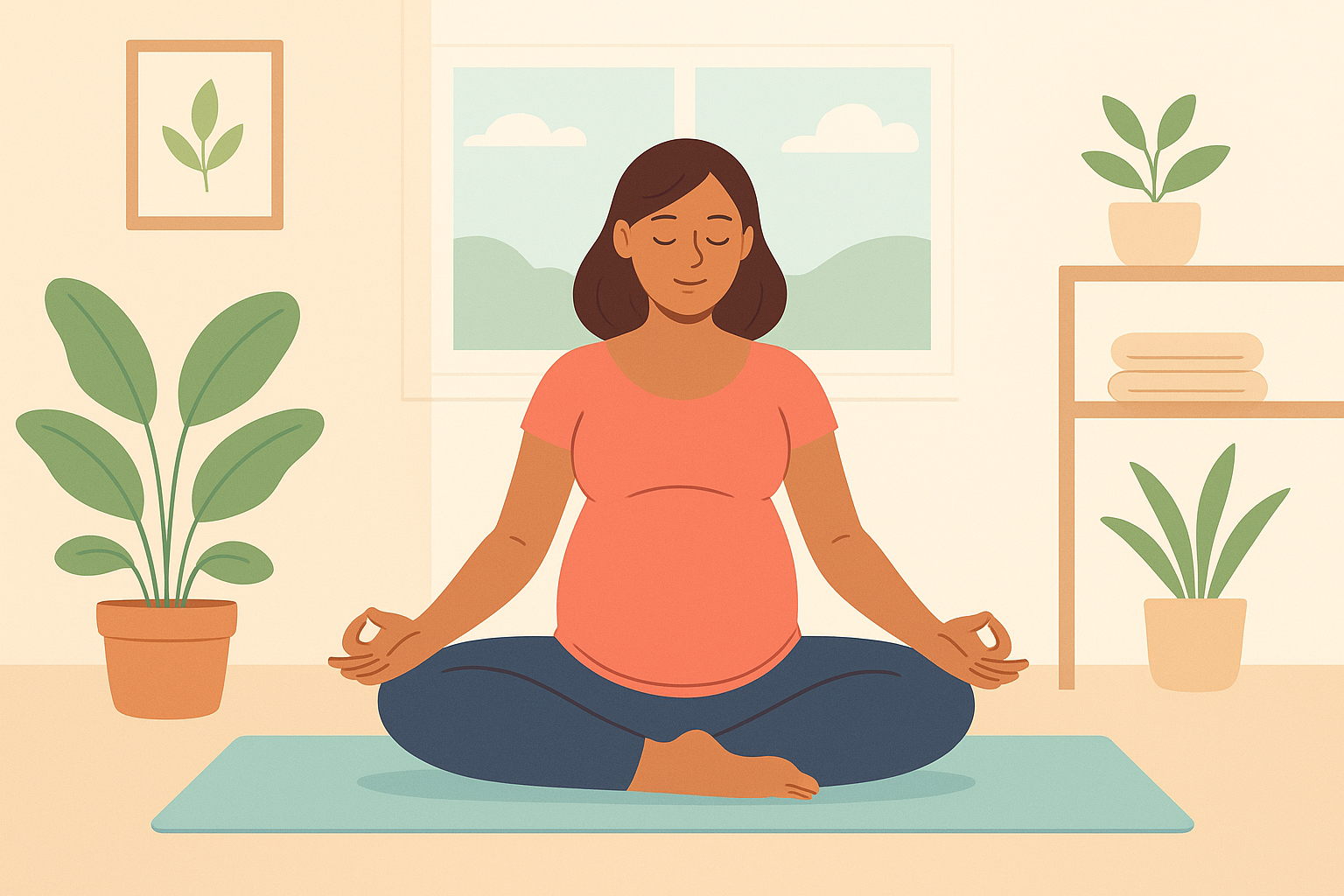
Stress management through yoga, meditation, or breathing techniques.
Endometriosis and Fertility
Endometriosis is one of the leading causes of infertility. The condition can distort pelvic anatomy, cause inflammation, and affect egg quality. However, with early intervention and proper medical guidance, many women with endometriosis successfully conceive.
Fertility-preserving treatments and close monitoring by a gynecologist improve outcomes significantly.
Emotional and Mental Health Impact
Chronic pain and fertility struggles can take a toll on mental health. Many women experience anxiety, depression, or frustration before receiving a diagnosis.
Support groups, counseling, and open communication with healthcare providers can make a big difference in emotional recovery and coping.
When to See a Doctor
You should see a gynecologist if you experience:
-
Severe menstrual pain not relieved by medication
-
Persistent pelvic discomfort
-
Pain during intercourse or urination
-
Difficulty getting pregnant
Ignoring symptoms may allow the condition to progress, making treatment more complex later.
Conclusion
Endometriosis is a challenging but manageable condition. With timely diagnosis, medical treatment, and lifestyle adjustments, women can lead pain-free, fulfilling lives.
Awareness and open discussion about menstrual pain are essential — no woman should accept chronic discomfort as “normal.” By seeking medical care early and staying informed, you can take control of your reproductive health and overall well-being.

 English
 Arabic
 French
 Spanish
 Deutsch
 Turkish
 Dutch
Dutch
 Italiano
 Russian
 Romaian
 Portuguese (Brazil)
 Greek
Greek