
Scar Removal in Dubai: Expert Advice on Scar Prevention Tips
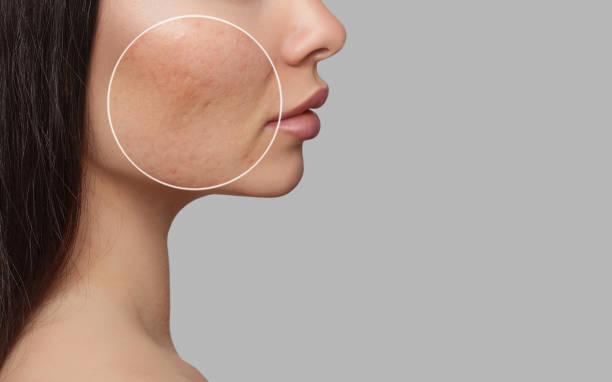
The most effective form of Scar Removal in Dubai is often the intervention that happens before a permanent mark ever forms. The "golden window" for scar prevention occurs during the first few weeks of the inflammatory phase of wound healing. In clinical settings, we observe that how a wound is managed in the first 14 days determines whether the resulting tissue will be a fine, nearly invisible line or a thick, raised hypertrophic scar. By understanding the biological needs of healing skin—specifically moisture, tension, and UV protection—patients can significantly reduce the need for intensive corrective procedures later in life.
What are the Clinical Fundamentals of Wound Care?
In clinical settings, we move away from "old-school" advice (like letting a wound "breathe") and toward "Moist Wound Healing" protocols.
The essential steps for preventing a scar include:
-
Occlusion is Key: Keeping a wound covered and moist with petroleum-based ointments prevents a hard scab from forming. Scabs actually act as a physical barrier that forces new skin cells to "detour" around them, leading to uneven texture.
-
Tension Reduction: If a wound is over a joint, minimizing movement prevents the scar from "stretching" or widening during the remodeling phase.
-
Gentle Cleansing: Avoiding harsh antiseptics like hydrogen peroxide or alcohol, which can actually kill the "pioneer" skin cells trying to close the wound.
-
Early Silicone Use: Once the skin has closed (usually Day 10–14), applying medical-grade silicone gel can stop the overproduction of collagen.
-
Massage Therapy: Once fully healed, gentle circular massage can break up the "fibrotic" bonds before they become permanent and hard.
What are the Actual Pain Levels During Early Wound Management?
Preventative care is generally painless, but it requires a high degree of tactile awareness and consistency.
Does scar prevention feel uncomfortable?
Most preventative steps, such as applying ointment or silicone sheets, are rated at a 0/10 on the pain scale. However, the healing process itself often triggers a sensation of "intense itching" or "prickling." This is clinically known as pruritus and is a sign of histamine release and nerve regeneration. In clinical settings, we find that the more hydrated you keep the area, the lower the itching sensation. If a wound starts to feel "throbbing" or "burning" after the third day, it is a clinical red flag for infection rather than normal healing.
Real Patient Sensations: The "Pliable" vs. "Rigid" Phase
The goal of prevention is to keep the healing tissue as "pliable" as possible for the first six months.
What should the skin feel like during successful prevention?
During the first month, the site will naturally be pink. If your prevention strategy is working, the area should feel "soft" and "squishy" when you gently press it. If it starts to feel "ropey," "hard," or "lumpy," this is a sign that the collagen is becoming disorganized. Patients report that using silicone gel twice daily creates a "cooling" sensation that calms the skin. In clinical settings, we observe that scars that remain soft and pale during the first 90 days are the ones least likely to require professional Scar Removal in Dubai in the future.
Realistic Expectations: Can You Prevent 100% of a Scar?
It is important to be grounded in reality: any injury that reaches the deep "dermis" will leave some mark. The goal of prevention is "minimization."
How much can prevention reduce the final scar size?
Based on clinical observation, proactive wound management can reduce the final width and height of a scar by 50% to 70%. While you may still have a faint line, you can successfully prevent the development of "raised" (hypertrophic) or "pitted" (atrophic) features. We inform patients that the "red phase" of a new scar can last for up to a year; staying diligent with prevention during this entire time is what separates a "good" result from a "great" one.
Safety Considerations: The Impact of the Dubai Environment
The climate in the UAE presents specific challenges to the biological process of wound healing.
What are the environmental risks to a healing scar in Dubai?
-
UV-Induced Pigmentation: The intense sun can trigger "Post-Inflammatory Hyperpigmentation," turning a fresh pink scar into a permanent dark brown mark. SPF 50+ is non-negotiable for 12 months.
-
Heat-Induced Inflammation: High temperatures can increase blood flow to the area, potentially fueling the "overgrowth" of a keloid or hypertrophic scar.
-
Sweat Irritation: Salt and moisture from sweat can irritate a fresh wound, leading to scratching and secondary trauma.
-
Dehydration: If the body is dehydrated, the skin’s healing capacity drops; internal hydration is as important as topical moisture for Scar Removal in Dubai prevention.
Why Choose Tajmeels Clinic for Post-Injury Guidance?
At Tajmeels Clinic, we believe that the best Scar Removal in Dubai starts with a "Prevention Consultation." We offer specialized "Scar Monitoring" for patients who have recently undergone surgery or suffered an injury. Our clinicians can provide medical-grade silicone supplies, customized pressure garments, and early-stage "Vascular Laser" treatments to stop redness before it becomes permanent. By choosing Tajmeels Clinic, you are accessing expert clinical advice that prioritizes the long-term health of your skin barrier, helping you avoid the need for more invasive treatments down the road.
Genuine Patient Perspectives
"After my surgery, I was so worried about the scar. The doctors at Tajmeels showed me exactly how to tape it and which ointments to use. It’s been six months, and honestly, you have to look really closely to even see where the incision was. Being proactive really paid off." — Sarah M.
"I used to think you should let a cut 'dry out' so it scabs over. Tajmeels corrected that for me. Keeping it greasy and covered with silicone made such a difference. The scar stayed flat and soft from day one, and it never turned into that hard bump I usually get." — Omar V.
Frequently Asked Questions
When is it "too late" for prevention?
Prevention is most effective in the first 3 to 6 months. After a year, the scar is "mature," and you transition into the "removal" phase.
Does Vitamin E help prevent scars?
Clinically, there is more evidence for Silicone and Petroleum Jelly than for Vitamin E. In some cases, topical Vitamin E can even cause a skin rash.
Can I use sunblock on a fresh wound?
No. Wait until the skin has completely closed (no more rawness or scabbing) before applying sunblock directly to the area.
Should I massage a new scar?
Yes, but wait until the wound is fully healed (usually 3 weeks). Massage helps align the collagen fibers so they don't become a "jumbled" mass.
Are silicone gels as good as sheets?
Gels are better for the face and joints, while sheets are superior for flat areas because they provide a small amount of beneficial "pressure."
Will smoking affect my scar?
Yes. Smoking narrows the blood vessels, depriving the healing skin of oxygen and significantly increasing the risk of a wider, uglier scar.

 English
 Arabic
 French
 Spanish
 Portuguese
 Deutsch
 Turkish
 Dutch
Dutch
 Italiano
 Romaian
 Portuguese (Brazil)
 Greek
Greek