
How Often Should You Shampoo Commercial Carpets? Traffic-Based Schedules & Best Practices
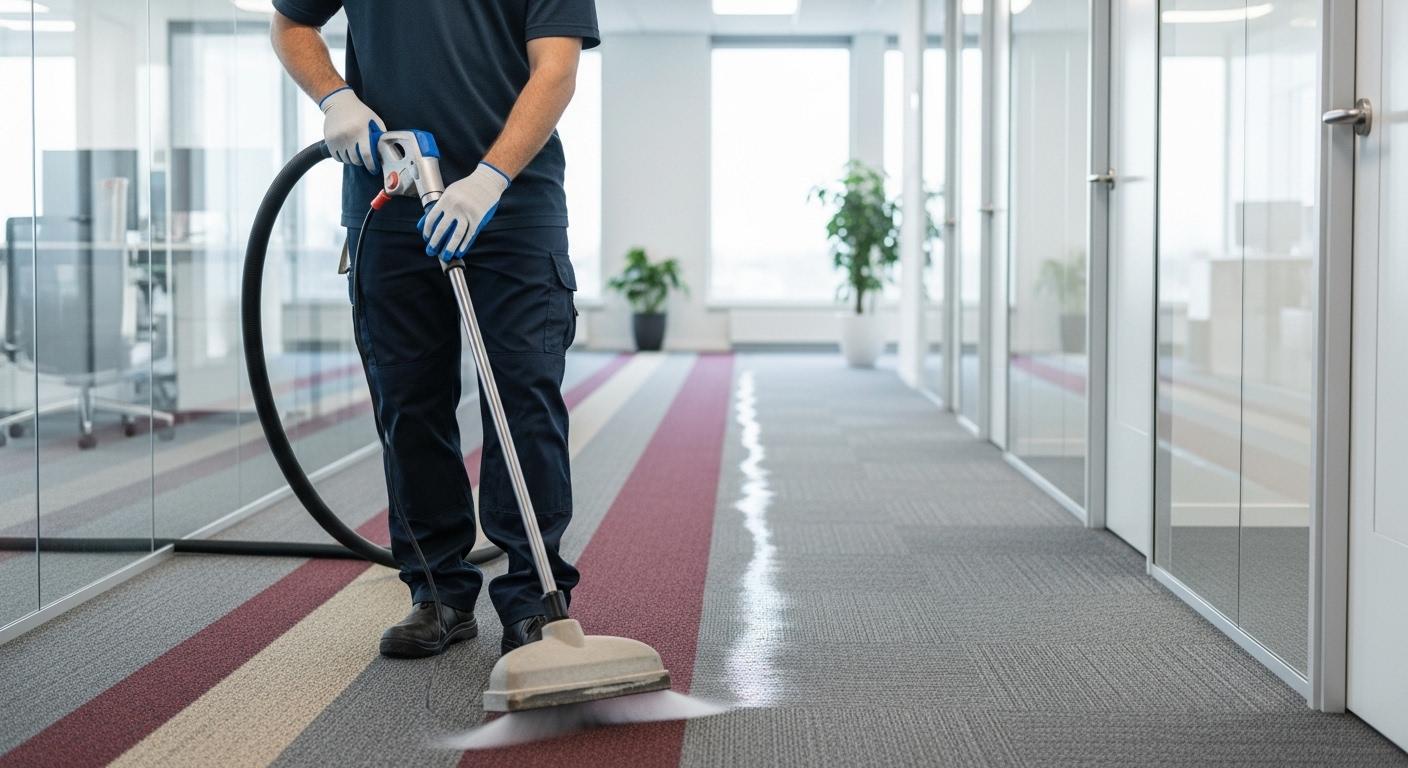
Commercial carpets are one of the most overlooked yet heavily used assets in any workplace. From constant foot traffic and rolling office chairs to spilled drinks, dust, and outdoor debris, carpets quietly absorb a wide range of contaminants every single day. Over time, this buildup affects more than just appearance; it can degrade indoor air quality, create hygiene concerns, and accelerate carpet wear if not properly managed.
This is where Commercial carpet shampooing becomes essential for maintaining cleanliness, extending carpet life, and protecting the overall workplace environment. One of the most common challenges for business owners and facility managers, however, is knowing how often this deep-cleaning process should be performed. The correct frequency is not universal; it depends on factors such as traffic levels, carpet usage patterns, and the nature of the business itself. In this guide, we’ll explore traffic-based shampooing schedules, professional best practices, warning signs to watch for, and how to build a smart, long-term carpet maintenance plan that keeps your office clean, healthy, and professional.
Why Shampooing Frequency Matters for Commercial Carpets
Shampooing is not just about improving how carpets look, it plays a crucial role in preserving carpet structure and maintaining a healthy indoor environment. When performed at appropriate intervals, deep carpet cleaning helps remove contaminants that regular vacuuming simply cannot reach.
Properly timed shampooing helps to:
-
Remove embedded dirt, grease, and oils
-
Prevent fiber abrasion and matting
-
Improve indoor air quality
-
Reduce allergens, bacteria, and odors
-
Extend the usable life of commercial carpets
-
Maintain a professional and welcoming appearance
Cleaning too frequently can place unnecessary stress on carpet fibers, while delaying cleaning allows abrasive soil to permanently damage the carpet. Finding the right balance is key.
Factors That Determine How Often Carpets Should Be Shampooed
There is no fixed schedule that works for every commercial space. Professionals assess several variables before recommending a cleaning frequency.
Foot Traffic Intensity
The number of people walking across the carpet daily is the most important factor. Higher traffic means more dirt is ground into the fibers, requiring more frequent cleaning.
Type of Business Environment
Different workplaces introduce different contaminants:
-
Offices: dust, food crumbs, skin oils
-
Healthcare facilities: bacteria, allergens
-
Retail spaces: outdoor soil, moisture
-
Industrial settings: grease, heavy debris
Carpet Construction and Fiber Type
Low-pile commercial carpets are designed to handle frequent cleaning, while thicker carpets may require more careful scheduling. Synthetic fibers typically tolerate shampooing better than natural materials.
Indoor Air Quality Expectations
Workplaces with allergy-sensitive employees or strict hygiene standards benefit from more frequent deep cleaning.
Traffic-Based Shampooing Schedules Used by Professionals
The following guidelines are widely used in commercial carpet maintenance programs.
Low-Traffic Areas
Examples: Private offices, executive suites, conference rooms
Recommended Frequency: Every 9–12 months
These areas experience minimal daily use, so dirt accumulation is slow. Consistent vacuuming combined with annual shampooing is usually sufficient.
Medium-Traffic Areas
Examples: Open offices, meeting rooms, staff lounges
Recommended Frequency: Every 6–9 months
Moderate foot traffic requires a more proactive approach to prevent visible wear and dullness.
High-Traffic Areas
Examples: Reception areas, hallways, call centers, retail floors
Recommended Frequency: Every 3–6 months
Heavy foot traffic pushes soil deep into carpet fibers. Delaying cleaning often results in permanent traffic lanes and discoloration.
Very High-Traffic or Industrial Areas
Examples: Warehouses, manufacturing offices, service counters
Recommended Frequency: Every 2–4 months
In these environments, frequent shampooing helps control grease buildup and prevents early carpet failure.
How the Shampooing Process Removes Deep Soil
Understanding the process explains why it is so effective for restoring heavily used carpets.
-
Thorough pre-vacuuming removes loose debris
-
A foaming detergent is evenly applied
-
Rotary or cylindrical brushes agitate fibers
-
Embedded soil is loosened and lifted
-
Residue is removed after drying
The mechanical agitation is what allows this method to address soil that surface cleaning leaves behind.
Benefits of Maintaining a Consistent Shampooing Schedule
Improved Appearance
Regular cleaning restores color, removes traffic lanes, and keeps carpets looking professional.
Extended Carpet Lifespan
Removing abrasive soil prevents fiber breakdown and matting.
Healthier Work Environment
Reducing allergens and bacteria supports better indoor air quality.
Long-Term Cost Savings
Preventive maintenance delays costly carpet replacement and major restoration cleaning.
Risks of Incorrect Cleaning Frequency
Cleaning Too Often
-
Unnecessary fiber stress
-
Increased moisture exposure
-
Higher maintenance costs
Cleaning Too Infrequently
-
Permanent fiber damage
-
Persistent odors and stains
-
Increased health complaints
The goal is strategic, need-based cleaning, not excessive maintenance.
Best Practices for Commercial Carpet Shampooing
Combine With Regular Vacuuming
Vacuuming multiple times per week dramatically slows soil buildup and improves overall results.
Schedule Cleaning After Hours
This allows adequate drying time and prevents immediate re-soiling.
Work With Trained Professionals
Incorrect detergent ratios or poor technique can leave residue that attracts dirt.
Rotate Cleaning Methods
Many facilities pair shampooing with low-moisture maintenance and periodic deep extraction.
How Shampooing Fits Into a Complete Carpet Care Plan
While effective, shampooing works best when combined with other methods:
-
Interim low-moisture cleaning for appearance upkeep
-
Periodic deep extraction for sanitation
-
Preventive spot cleaning for spills
This balanced approach delivers the best long-term results.
Signs Your Office Carpets Are Overdue for Shampooing
-
Visible traffic lanes
-
Dull or gray appearance
-
Lingering odors
-
Stains reappearing after vacuuming
-
Increased dust or allergy complaints
Ignoring these signs usually increases cleaning difficulty and cost.
Cost Considerations and Long-Term Value
While pricing varies, routine shampooing is generally more affordable than emergency restoration or premature carpet replacement. A consistent schedule reduces long-term expenses and protects your investment.
Preventive care is always more cost-effective than reactive cleaning.
Environmental and Health Considerations
-
Modern cleaning solutions are often biodegradable
-
Proper cleaning removes contaminants rather than spreading them
-
Cleaner carpets support healthier indoor environments
Always choose qualified professionals who follow commercial safety and environmental standards.
Conclusion
There is no single cleaning schedule that works for every workplace, but traffic-based planning provides a reliable and practical foundation for long-term carpet care. Low-use areas may only require attention once a year, while busy commercial environments demand more frequent cleaning to maintain hygiene, appearance, and safety standards. Understanding how usage patterns affect carpet condition allows businesses to make smarter, more cost-effective maintenance decisions, including evaluating the right commercial bonnet cleaning frequency for their specific environment.
By aligning cleaning intervals with foot traffic levels, carpet condition, and overall workplace needs, organizations can protect their flooring investment while supporting healthier indoor air quality. A well-planned carpet maintenance strategy not only extends carpet life but also helps maintain a consistently clean, professional image that reflects positively on the business throughout the year.
Frequently Asked Questions
1. How often should commercial carpets be shampooed?
It depends on traffic levels, typically ranging from every few months to once per year.
2. Is shampooing better than steam cleaning?
Shampooing restores appearance, while steam cleaning focuses on deep sanitation.
3. Can frequent cleaning damage carpets?
Only if done improperly or unnecessarily often.
4. Does shampooing help with odors?
Yes, it removes odor-causing dirt and residue.
5. Is this method suitable for all carpet types?
Most commercial synthetic carpets respond very well.
6. How long does drying usually take?
Typically 6–12 hours with proper airflow.
7. Can offices remain open during cleaning?
Yes, but after-hours cleaning is recommended.
8. Does vacuuming reduce the need for shampooing?
Yes, frequent vacuuming significantly slows soil buildup.
9. Are modern cleaning solutions environmentally safe?
Many professional products are biodegradable and safe when used correctly.
10. Should shampooing be part of a larger maintenance plan?
Absolutely combining methods delivers the best long-term results.

 English
 Arabic
 French
 Spanish
 Portuguese
 Deutsch
 Turkish
 Dutch
Dutch
 Italiano
 Russian
 Romaian
 Portuguese (Brazil)