
Where Are Drone Signal Jammers Legal and Effective Today?
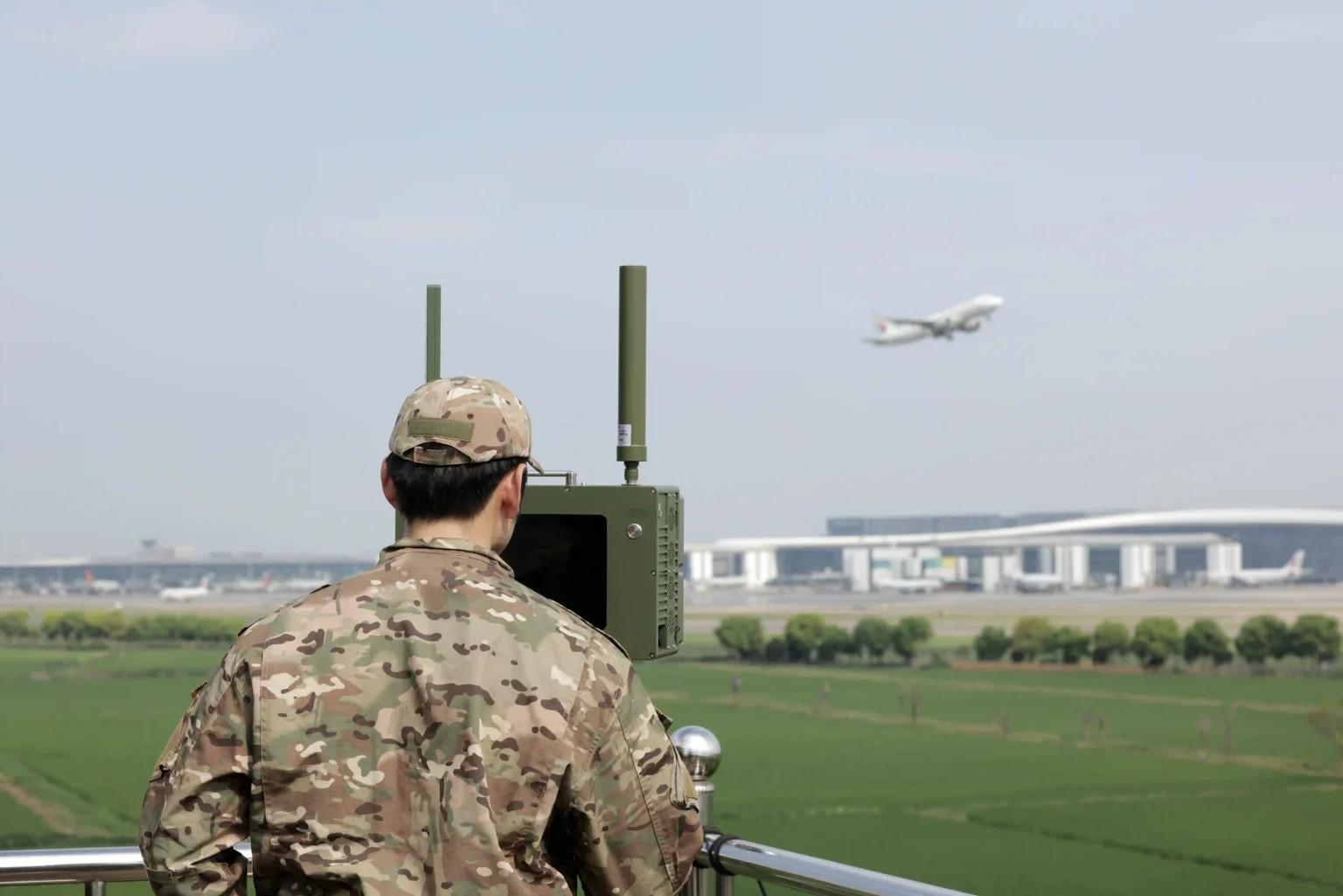
Unauthorized drones continue to appear over airports, stadiums, factories, and borders. That pressure has pushed counter-drone technology into the spotlight. Laws, however, haven’t moved at the same pace. Understanding where drone signal jammers are legal and where they actually work helps decision-makers avoid costly mistakes while choosing tools that fit real-world risks.
Laws Draw the First Boundary, Not the Technology
Most countries treat signal jamming as interference with licensed spectrum. Civilian use is often prohibited, even when intentions are defensive. Exceptions exist, but they’re narrow.
- Military and defense agencies typically receive full authorization
- Border control and critical infrastructure operators may gain limited approval
- Research and testing environments can be licensed under strict conditions
In the EU, the UK, Canada, and the US, unauthorized jamming remains illegal for private entities. That’s why detection tools like DJI drone radar systems are often deployed first. They provide awareness without disrupting communications, keeping operators compliant while assessing threats.
Where Effectiveness Depends on Context, Not Hype
Legality aside, effectiveness changes with terrain, airspace complexity, and drone sophistication. Urban environments introduce interference, reflections, and civilian devices that reduce precision. Rural or controlled zones allow more predictable results.
A portable drone jammer can be effective when:
- Deployed by authorized teams in secured perimeters
- Used against consumer or prosumer drones
- Integrated with detection and tracking systems
Advanced operators increasingly combine jamming with tools such as DJI drone radar, allowing identification before any countermeasure is considered. That layered approach limits disruption and improves response accuracy.
Regions Allowing Controlled Deployment
Some regions permit limited use under government oversight, especially around sensitive assets.
- Conflict zones and military theaters
- Airports and prisons under federal authority
- Temporary event security with special licenses
Organizations aligned with providers like UAV-Defence often focus on compliant system design rather than raw power. That means pairing a portable drone jammer with analytics, logging, and human authorization loops, not standalone triggers.
The Direction Policy Is Quietly Moving
Regulators are paying closer attention to drone threats, especially as autonomous flight spreads. The trend favors precision tools over blanket interference. Detection, identification, and selective response are shaping future approvals.
Conclusion
Drone signal jammers sit at the crossroads of law, safety, and necessity. Their legality depends on authority, location, and intent, while their effectiveness relies on integration and restraint. A portable drone jammer works best as part of a broader counter-drone strategy, not as a lone solution. With drone activity rising worldwide, informed choices matter more than quick fixes. Continued learning and responsible deployment remain the safest path forward.

 English
 Arabic
 French
 Spanish
 Portuguese
 Deutsch
 Turkish
 Italiano
 Russian
 Romaian
 Portuguese (Brazil)
 Greek
Greek