
Tile and Grout Kitchen Cleaning: Why It’s Essential for Commercial Kitchens
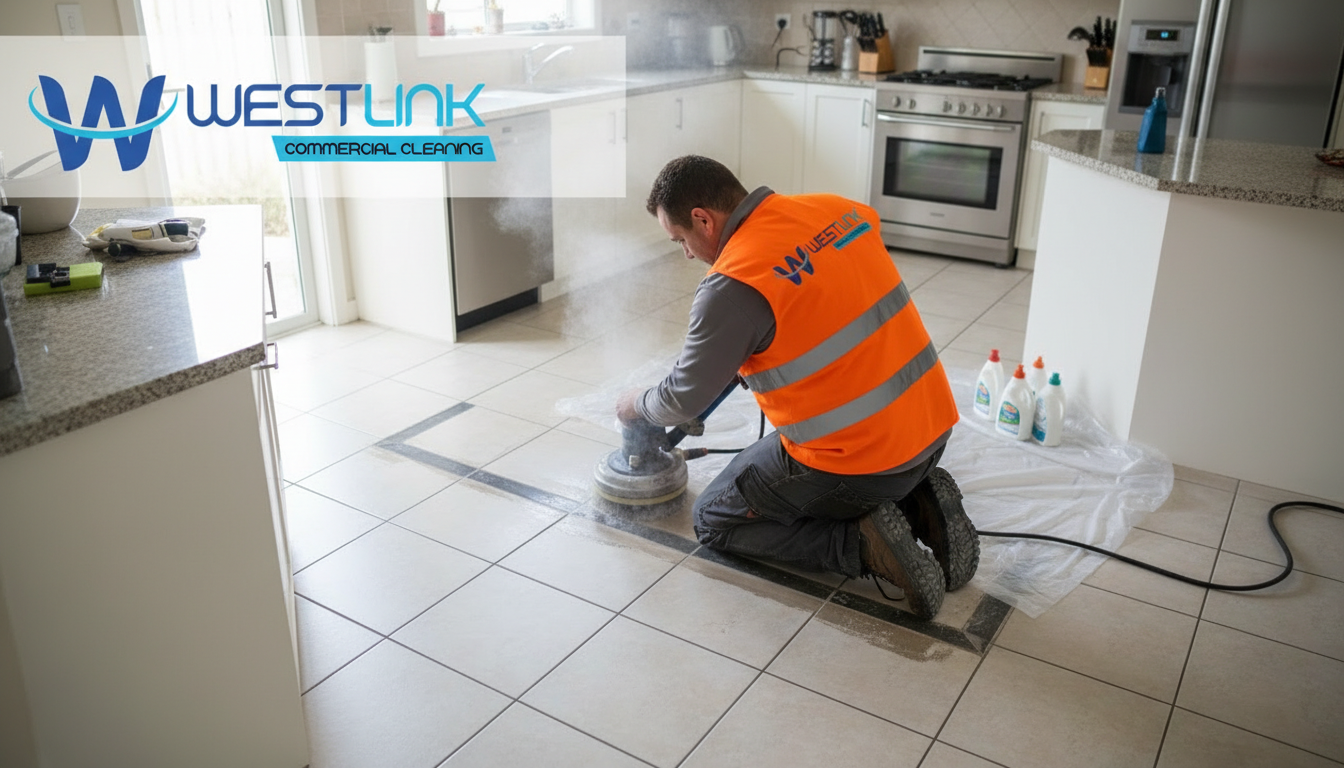
Tile and Grout Kitchen Cleaning: Why It’s Essential for Commercial Kitchens
Tile and grout kitchen cleaning involves scrubbing the hard surfaces and the lines between tiles in busy restaurant or hotel kitchens to remove dirt, grease, and germs. This task is important because commercial kitchens handle a lot of food every day, and unclean areas can lead to health risks or slippery floors. Keeping these spaces spotless helps ensure safe cooking environments and makes everything last longer.
Understanding Tiles and Grout in Busy Kitchens
Tiles are tough, flat pieces often made from ceramic or porcelain that cover floors and walls in kitchens to handle spills and heat. Grout is the sandy mixture that fills the gaps between tiles, holding them in place but easily trapping dirt. In commercial settings, these materials face constant foot traffic and food messes, so they need regular attention. Without proper care, small issues can turn into big problems like cracks or stains.
Common Issues from Neglected Cleaning
Dirty tiles and grout can build up layers of grease from cooking oils, making surfaces sticky and hard to walk on safely. Bacteria and mold love hiding in grout lines, especially in damp areas near sinks, which can cause bad smells and health hazards. Food particles get stuck, attracting pests like ants or roaches that spread germs. Over time, this neglect leads to worn-out looks and costly repairs, turning a simple kitchen into a messy nightmare.
Why Hygiene Matters in Commercial Spaces
In places like restaurants, clean tiles and grout help stop the spread of harmful germs that could make customers or staff sick. Health inspectors check these areas closely, and failing can shut down a business temporarily. Regular sanitizing keeps food prep areas safe, reducing the chance of cross-contamination from raw meats or veggies. Plus, a tidy kitchen boosts worker morale and shows professionalism to visitors. Simple habits like wiping spills right away can prevent bigger hygiene headaches.
Tools and Materials for Effective Cleaning
Basic tools include stiff brushes for scrubbing grout lines and mops for wide tile areas. You'll need cleaners like mild detergents or vinegar solutions to break down grease without damaging surfaces. Steam cleaners are great for deep sanitizing as they use hot vapor to kill bacteria naturally. Protective gear, such as gloves and knee pads, keeps you safe during the job. Always choose eco-friendly products to avoid harsh chemicals in food zones. Gathering the right supplies makes the process smoother and more efficient.
Simple Methods to Clean Tiles and Grout
Start by sweeping away loose dirt, then apply a cleaning solution and let it sit for a few minutes to loosen grime. Use a brush to scrub grout lines in circular motions, focusing on tough spots. Rinse with warm water and dry to prevent mold growth. For stubborn stains, try a baking soda paste as a gentle abrasive. Repeat in sections to avoid overwhelming the space. These steps ensure thorough results without fancy equipment.
Benefits of Keeping Up with Maintenance
Regular tile and grout care extends the life of kitchen floors and walls, saving money on replacements. It creates a safer workspace by reducing slip risks from oily buildup. Customers notice the cleanliness, which can improve a restaurant's reputation and reviews. Workers feel more comfortable in a fresh environment, leading to better productivity. Overall, consistent upkeep turns potential problems into easy routines.
When to Seek Professional Help
If your kitchen is very large or the dirt is too built-up, pros have powerful equipment like pressure washers for faster results. They know safe methods to avoid damaging old tiles or grout. Hiring experts saves time for busy staff and ensures compliance with health codes. Look for services with good reviews and experience in commercial cleaning.
In summary, tile and grout kitchen cleaning is key for maintaining hygiene, safety, and a professional look in commercial kitchens. By tackling common problems like grease and bacteria with the right tools and methods, you can avoid health risks and costly fixes. The benefits include longer-lasting surfaces and happier workers. Remember, simple daily habits make a big difference. The main takeaway is that investing time in regular cleaning keeps your kitchen running smoothly and protects everyone's well-being.
FAQs
How often should commercial kitchens clean tiles and grout?
Aim for daily light cleaning and a deep scrub weekly, depending on how busy the kitchen is, to prevent buildup.
Can I use household cleaners for this task?
Yes, mild options like vinegar or baking soda work well, but avoid harsh chemicals that might harm food safety.
What if mold appears in the grout?
Scrub it with a hydrogen peroxide solution to kill the mold, and improve ventilation to stop it from returning.
Is professional cleaning worth the cost?
Absolutely, as experts handle tough jobs quickly and ensure everything meets health standards without disrupting operations.
How can I prevent quick dirt buildup?
Wipe spills immediately and use mats in high-traffic areas to reduce grime tracking.

 English
 Arabic
 French
 Spanish
 Portuguese
 Deutsch
 Turkish
 Dutch
Dutch
 Italiano
 Russian
 Portuguese (Brazil)
 Greek
Greek