
Hepatitis B Test Interpretation Guide for Patients
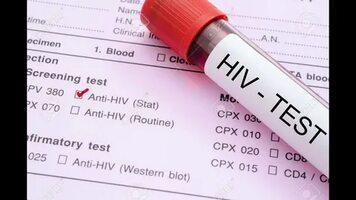
Understanding Hepatitis B test results is essential for protecting liver health and taking appropriate preventive or treatment measures. Hepatitis B Test in Dubai assess viral infection, immunity, and previous exposure, helping patients make informed decisions about their health. This guide explains how to interpret common markers and what your results may indicate.
Key Hepatitis B Markers:
Hepatitis B tests measure several important markers in the blood:
-
HBsAg (Hepatitis B Surface Antigen): Indicates current infection and viral presence
-
Anti-HBs (Hepatitis B Surface Antibody): Confirms immunity from vaccination or past infection
-
Anti-HBc (Hepatitis B Core Antibody): Shows previous exposure to the virus
-
HBeAg (Hepatitis B e Antigen): Reflects active viral replication and higher infectivity
-
HBV DNA (Viral Load): Measures the amount of virus in the bloodstream, important for monitoring chronic infection
These markers together provide a complete picture of infection status and immunity.
Interpreting Common Result Patterns:
Understanding how combinations of test markers relate to your health is key:
-
HBsAg Negative, Anti-HBs Positive: You are immune, either due to vaccination or recovery from a past infection
-
HBsAg Negative, Anti-HBs Negative, Anti-HBc Negative: You are susceptible and may need vaccination to protect against infection
-
HBsAg Negative, Anti-HBs Negative, Anti-HBc Positive: Indicates past exposure; further testing may clarify immunity
-
HBsAg Positive: Confirms active infection; additional tests, including viral load and liver function assessments, are recommended
-
HBeAg Positive: Suggests higher viral replication and infectivity, requiring close monitoring and possible treatment
Proper interpretation ensures timely preventive measures and medical care.
The Role of Vaccination in Test Results:
Vaccination is the most effective way to prevent hepatitis B. Anti-HBs antibodies indicate a successful immune response to the vaccine. Testing after vaccination confirms whether immunity has been achieved or if booster doses are necessary, particularly for healthcare workers or other high-risk individuals.
Monitoring Chronic Infection:
For patients with chronic hepatitis B, repeat testing helps track viral replication and liver health:
-
HBsAg persistence beyond six months indicates chronic infection
-
HBV DNA levels guide treatment decisions and monitor response to antiviral therapy
-
Liver function tests evaluate enzyme levels to detect inflammation or damage
Regular monitoring is essential for preventing complications such as cirrhosis or liver cancer.
Factors That Can Affect Test Interpretation:
Several factors may influence your hepatitis B test results:
-
Timing of testing after exposure
-
Individual immune response variations
-
Laboratory test sensitivity and quality
-
Recent vaccination or previous infection
Being aware of these factors helps patients understand the context of their results and the need for follow-up testing.
Preventive Measures After Testing:
Regardless of results, patients should continue preventive strategies: practice safe sex, avoid sharing needles or personal items, maintain liver-friendly habits such as balanced nutrition and limited alcohol intake, and adhere to vaccination schedules if susceptible.
Common Misconceptions About Results:
Some patients assume a negative test means lifelong protection, or that a positive result always indicates severe disease. In reality, testing reveals infection status or immunity at the time of the test, and follow-up assessments may be required to fully understand liver health and risk.
Integrating Testing Into Routine Healthcare:
Hepatitis B Test should be part of routine health checkups, particularly for high-risk populations. Combined with vaccination verification and liver function monitoring, testing provides a comprehensive approach to preventing infection and managing liver health.
Final Thoughts on Hepatitis B Test Interpretation:
Hepatitis B tests provide vital information about infection, immunity, and previous exposure. Correct interpretation of HBsAg, Anti-HBs, Anti-HBc, and other markers empowers patients to take informed steps to protect liver health, reduce transmission risk, and maintain long-term well-being. Understanding your test results is the first step toward proactive hepatitis B prevention and effective disease management.

 English
 Arabic
 French
 Spanish
 Deutsch
 Turkish
 Dutch
Dutch
 Italiano
 Russian
 Romaian
 Portuguese (Brazil)
 Greek
Greek