
Global Candle Trends: How Different Cultures Use Candles in Home Decor
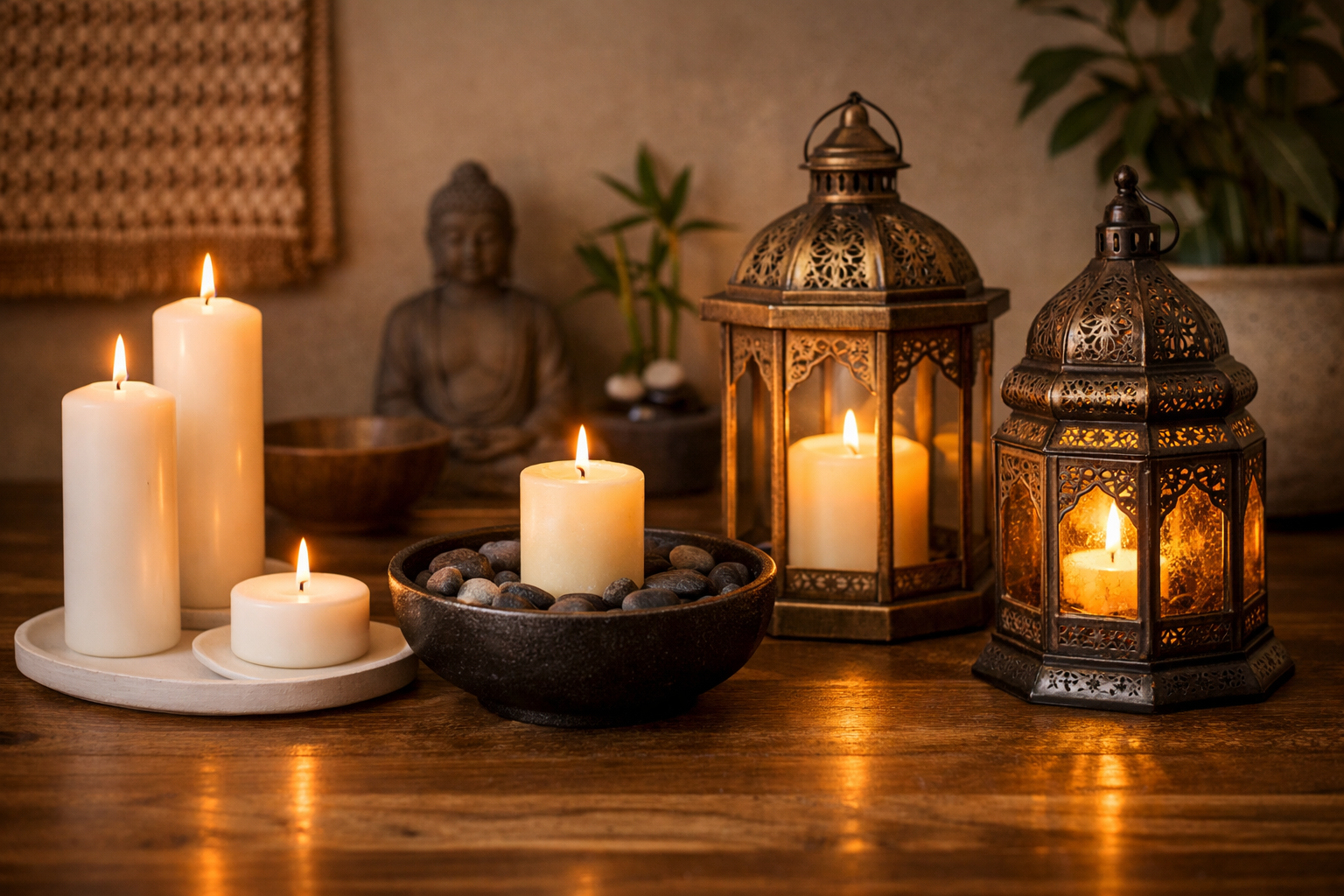
Candles transcend geographical boundaries, serving as universal symbols of light, warmth, and spiritual connection across virtually every culture on Earth. Yet the ways different societies incorporate candles into their homes reveal fascinating insights into cultural values, aesthetic preferences, and lifestyle priorities. From the minimalist elegance of Scandinavian design to the vibrant celebrations of Latin American traditions, candles occupy unique roles in domestic spaces worldwide. Understanding these global perspectives not only enriches our appreciation for this ancient lighting source but also offers fresh inspiration for incorporating candles into contemporary home decor.
The Scandinavian Hygge Movement: Candles as Essential Comfort
No discussion of global candle culture would be complete without exploring the Scandinavian concept of hygge, a Danish and Norwegian philosophy centered on coziness, contentment, and well-being. In countries where winter darkness dominates much of the year, candles have evolved from mere light sources into essential psychological tools for creating warmth and combating seasonal affective disorder.
Scandinavian homes typically feature candles in virtually every room, with Danes burning more candles per capita than any other nation. The preference runs toward simple, unscented or subtly fragranced options that don't compete with other sensory experiences. White and natural beeswax candles in minimalist holders align with the clean aesthetic that defines Nordic design. An 8-oz mason jar candle with clean lines and understated packaging fits perfectly within this design philosophy, offering substantial burn time without visual clutter.
The hygge approach emphasizes multiple smaller candles rather than single large candles. Clusters of votives, tea lights, and pillar candles create the soft, diffused lighting that Scandinavians associate with comfort and relaxation. During the darkest winter months, it's not uncommon for a Danish household to light ten or more candles simultaneously, transforming living spaces into cocoons of warmth and security.
This cultural practice has influenced global design trends dramatically over the past decade. The international embrace of hygge principles has elevated candles from occasional decor elements to essential daily-use items. The Scandinavian emphasis on quality over quantity encourages investment in well-made custom candles that burn cleanly and safely over extended periods, reflecting values of sustainability and mindful consumption that resonate across cultures.
Scandinavian design also pioneered the integration of candles into functional objects. Candle lanterns, hurricane glasses, and specially designed candle holders protect flames from drafts while creating beautiful shadow play on walls and ceilings. This practical approach to candle use demonstrates how environmental challenges, in this case, cold climates and limited daylight, can inspire innovative design solutions that eventually gain worldwide appreciation.
Japanese Aesthetics: Candles in Zen Minimalism
Japanese culture approaches candles with the same mindful intentionality that characterizes tea ceremonies, ikebana flower arrangements, and other traditional practices. The Japanese aesthetic principles of wabi-sabi (finding beauty in imperfection), ma (negative space), and kanso (simplicity) all influence how candles are selected and displayed in Japanese homes.
Traditional Japanese candles, called warosoku, differ significantly from Western varieties. Made from vegetable wax derived from sumac trees, these candles feature distinctive shapes with wider tops that taper downward, creating elegant silhouettes unlike cylindrical Western candles. The flames burn brighter and more steadily than paraffin alternatives, producing minimal soot while creating the serene ambiance essential to Japanese interior spaces.
Modern Japanese homes often blend traditional warosoku with contemporary Western-style candles, particularly in urban apartments where space constraints demand versatile decor solutions. An ascended candle with subtle, natural fragrances like yuzu, hinoki cypress, or green tea aligns with Japanese preferences for understated elegance. The Japanese principle of less-is-more means candles are carefully curated and displayed with generous surrounding space, allowing each piece to be appreciated fully.
The concept of ma, or meaningful emptiness, influences Japanese candle placement dramatically. Rather than clustering multiple candles together as in Scandinavian design, Japanese aesthetics favor singular candles positioned where negative space amplifies their presence. A single wooden wick candle on a low table, accompanied only by a simple flower arrangement and perhaps a tea set, creates the contemplative atmosphere Japanese design pursues.
Japanese Buddhist traditions also inform domestic candle use. While religious altar candles serve specific ceremonial purposes, their influence extends to secular spaces where candles provide opportunities for daily mindfulness. The act of lighting a candle becomes a ritual marking transitions from work to relaxation, from day to evening, from the external world to internal contemplation. This intentional approach contrasts with Western tendencies toward background ambiance, instead positioning candle lighting as a conscious, meaningful act.
Contemporary Japanese designers have created innovative candle vessels that reflect traditional craft techniques. Ceramic candles in raku-fired containers, wooden vessels showcasing natural grain patterns, and stone holders emphasizing material authenticity all demonstrate how Japanese design values elevate even simple candles into objects of contemplation and beauty.
Mediterranean Romance: Candles in Southern European Living
Mediterranean cultures spanning Spain, Italy, Greece, and southern France embrace candles as essential elements of the romantic, sensual lifestyle these regions epitomize. Unlike the subtle restraint of Northern European or Japanese aesthetics, Mediterranean candle culture celebrates abundance, color, and dramatic visual impact.
Italian homes, particularly in Tuscany and other rural regions, feature candles prominently in dining experiences. Long dinner tables under olive trees or on stone terraces are illuminated by numerous candles in terracotta holders, vintage bottles, and rustic metal lanterns. The flickering light enhances the communal dining experiences central to Italian culture, where meals extend for hours and conversation flows as freely as wine. Custom candles in warm amber glass or hand-painted ceramics complement the earthy, sun-drenched color palettes that define Mediterranean interiors.
Greek island homes showcase candles in whitewashed niches, stone alcoves, and outdoor terraces overlooking the sea. The contrast between brilliant white architecture and golden candlelight creates the romantic ambiance tourists associate with Santorini and Mykonos. Large pillar candles in hurricane glasses protect flames from coastal breezes while creating dramatic lighting effects against white stone walls. This approach combines practical necessity with aesthetic appeal, demonstrating Mediterranean resourcefulness in design.
Spanish culture incorporates candles into both religious and secular traditions, from elaborate cathedral displays to intimate home shrines. The Spanish concept of sobremesa, lingering at the table after a meal, is enhanced by candlelight that extends the day's brightness into evening hours. Scented candles featuring Mediterranean fragrances like lavender, rosemary, fig, and citrus connect indoor spaces to the abundant natural world outside, blurring boundaries between architecture and landscape.
French homes, particularly in Provence and coastal regions, demonstrate sophisticated candle use that balances rustic charm with refined elegance. Vintage candelabras, mercury glass votives, and candles with logos from heritage parfumeries like Diptyque or Cire Trudon represent aspirational luxury in French interiors. The French approach to candles emphasizes quality and heritage, with well-made pieces becoming heirloom objects passed between generations.
Mediterranean candle culture has profoundly influenced global entertaining aesthetics. The concept of creating romantic outdoor dining experiences through strategic candlelight has been adopted worldwide, from American backyard gatherings to Australian beach parties. This exportable aesthetic demonstrates how cultural practices can transcend their origins when they tap into universal desires for beauty, connection, and sensory pleasure.
Middle Eastern Opulence: Candles in Luxurious Settings
Middle Eastern cultures approach candles with an emphasis on opulence, fragrance, and spiritual significance that differs markedly from Western minimalism. In countries like Morocco, Egypt, Turkey, and the Gulf states, candles represent luxury and hospitality, featured prominently in both private homes and public gathering spaces.
Moroccan riads and traditional homes showcase candles in ornate metal lanterns, called fanous, that cast intricate shadow patterns on surrounding walls. These pierced metal vessels transform simple candle flames into works of art, creating atmospheric lighting that defines Moroccan interiors. The abundance of candles during religious observances, particularly Ramadan, carries over into everyday home decor, where candlelight symbolizes warmth, welcome, and spiritual illumination.
Turkish homes blend Ottoman heritage with contemporary design, often featuring candles in elaborate brass or silver holders that reflect the region's metalworking traditions. Turkish baths, or hammams, historically relied on candlelight, and this association between candles and cleansing rituals influences modern bathrooms, where candles create spa-like atmospheres. An 8-oz mason jar filled with Turkish-inspired fragrances like rose, amber, or oud captures these exotic sensibilities in formats accessible to Western consumers.
Gulf Arab cultures emphasize fragrance even more strongly than visual aesthetics when selecting candles. The tradition of burning incense and fragrant woods means candles compete in highly scent-conscious markets. Luxury scent candles featuring intense fragrances like agarwood, amber, musk, and exotic florals appeal to cultural preferences for powerful, lingering aromas. These fragrances are often layered, creating complex scent profiles that evolve as the candle burns, reflecting Middle Eastern perfumery traditions where complexity and longevity are prized.
The Middle Eastern practice of using candles as hospitality signals has influenced global luxury hotel design. High-end properties worldwide now feature candles in lobbies, spas, and guest rooms as shorthand for opulence and attentive service. This association between candles and luxury hospitality demonstrates how cultural practices can be commodified and disseminated through the global hospitality industry.
Islamic architectural traditions influence candle placement even in modern Middle Eastern homes. Niches, archways, and alcoves designed historically for oil lamps now accommodate candles, creating pools of light that emphasize architectural features. This integration of lighting into architectural design creates ambient illumination fundamentally different from overhead electric lighting, preserving connections to pre-industrial lighting traditions.
Latin American Celebration: Candles in Vibrant Traditions
Latin American cultures incorporate candles into domestic life with exuberance and emotional intensity, reflecting the region's celebratory spirit and deep Catholic heritage. From Mexican Day of the Dead altars to Brazilian festival decorations, candles play central roles in celebrations that blur boundaries between the sacred and the secular, the living and the dead, the home and the community.
Mexican homes feature candles prominently on ofrenda,s altars honoring deceased loved ones during Día de los Muertos. These elaborate displays combine marigolds, photographs, food offerings, and numerous candles whose flames are believed to guide spirits back to the living world. This tradition has influenced Mexican home decor year-round, with candles maintaining strong associations with memory, respect, and spiritual connection. Colorful custom candles in hand-painted glass holders reflect Mexican folk art traditions, transforming functional objects into cultural expressions.
Brazilian culture embraces candles in both Afro-Brazilian religious practices and secular celebrations. Candomblé and Umbanda traditions use specific candle colors for different orixas (deities), and this symbolic color coding influences broader Brazilian preferences for vibrant, meaningful candle choices. Beach communities light candles as New Year's offerings to Iemanja, goddess of the sea, demonstrating how religious traditions shape public and private candle use throughout society.
Caribbean cultures incorporate candles into daily life with a casualness that contrasts with more formal Northern traditions. Outdoor living spaces, uncertain electricity supply in some regions, and warm climates that make candlelight pleasant year-round all contribute to widespread candle adoption. Citronella and other insect-repelling scent candles serve practical purposes while creating ambiance in outdoor gathering spaces central to Caribbean social life.
Colombian and Peruvian Christmas traditions feature the Día de las Velitas (Day of Little Candles), when thousands of candles illuminate streets, sidewalks, and windowsills in celebration. This massive public candle lighting has influenced private home decor, where candles represent celebration, hope, and community connection. The tradition demonstrates how religious observances can expand into secular cultural practices that define national identity.
Latin American candle traditions have influenced global festival and celebration aesthetics. The popularity of luminari, as paper bag lanterns with candles inside, ide in the American Southwest and beyond, representing cultural exchange that enriches home decor possibilities worldwide. Similarly, the Mexican practice of creating elaborate candle-lit celebrations has inspired event designers internationally, demonstrating how cultural traditions become globalized design trends.
North American Pragmatism: Candles as Lifestyle Accessories
North American candle culture reflects the region's pragmatic values, entrepreneurial spirit, and constant pursuit of the next lifestyle trend. Unlike cultures where candle traditions extend back centuries, North American candle use has evolved primarily over the past fifty years, shaped more by marketing and media than by religious or cultural heritage.
The American candle industry has transformed candles from utilitarian objects into lifestyle accessories associated with home fragrance, wellness, and aspirational living. This commercialization has produced an enormous variety in sizes, fragrances, and price points, making candles accessible across all economic demographics. An 8-oz mason jar candle represents quintessentially American design, practical, unpretentious, and versatile enough for diverse home styles from country farmhouse to urban contemporary.
The wellness movement has profoundly influenced North American candle preferences, with aromatherapy claims, natural wax compositions, and "clean burning" formulations becoming major selling points. Consumers increasingly seek candles that align with health and environmental values, driving demand for soy, coconut, and beeswax alternatives to traditional paraffin. Wooden wick candles have gained popularity partly through their association with natural materials and the cozy, fireplace-like crackling they produce.
Seasonal rotation characterizes North American candle use more dramatically than in most other cultures. The practice of changing candles to match season, pumpkin spice in autumn, pine in winter, floral scents in spring, citrus in summer er creates continual market demand and encourages consumers to view candles as disposable decor elements rather than permanent home fixtures. This approach contrasts sharply with European preferences for year-round signature scents or Japanese minimalism in fragrance selection.
Canadian candle culture blends American trends with British Commonwealth influences and a practical appreciation for long winter months that rivals Scandinavian darkness. Canadian consumers show strong interest in local makers, natural materials, and candles that serve genuine functional purposes beyond pure decor. The Canadian market demonstrates how geography and climate influence candle preferences even within North America.
The Instagram-ability of candles has dramatically impacted North American purchasing decisions, with visually appealing candles gaining market share regardless of burn quality or fragrance profiles. Candles with logos from trendy brands, aesthetically pleasing minimalist packaging, and photogenic flame colors drive purchasing decisions among younger consumers who view candles primarily as social media props. This phenomenon has influenced candle design globally, with makers worldwide creating "Instagrammable" products to appeal to social media-savvy consumers.
African Diversity: Regional Candle Traditions Across a Continent
Africa's vast cultural diversity means candle traditions vary enormously between regions, from North African Islamic influences to sub-Saharan Christian and indigenous practices. Understanding this diversity requires moving beyond generalization to appreciate specific regional approaches to candles in domestic spaces.
South African homes blend European colonial influences with indigenous African aesthetics, creating unique fusion styles. Urban middle-class homes feature candles similarly to American or European spaces, while rural and township areas use candles more pragmatically due to unreliable electricity. This duality creates markets both for luxury custom candles that signal aspirational status and for basic utility candles serving genuine lighting needs. South African designers increasingly incorporate indigenous craft traditions into candle vessels, using beadwork, wire art, and ceramic techniques that reflect local artistic heritage.
West African cultures often associate candles with religious practices, both Christian and traditional. Nigerian homes might feature candles on religious altars alongside electric lighting, maintaining spiritual traditions within modern contexts. The vibrant colors characteristic of West African textiles and art influence candle selection, with bright hues preferred over the neutral tones dominant in Northern European markets.
East African coastal regions show strong Middle Eastern influences through centuries of trade and cultural exchange. Swahili culture incorporates ornate candle holders and fragrant candles reminiscent of Omani and Yemeni traditions. These influences create a preference for exotic fragrances like frankincense, myrrh, and spices that connect contemporary candle use to ancient incense traditions along the Indian Ocean trade routes.
The African practice of outdoor living, driven by warm climates across much of the continent, creates demand for candles that serve outdoor spaces. Larger pillar candles and multiple-wick formats that withstand breezes appeal to consumers who spend significant time on verandas, stoeps, and outdoor entertaining areas. Scent candles offering insect-repelling properties address practical needs while creating pleasant atmospheres for outdoor gatherings, central to African social life.
African candle markets increasingly feature local production using indigenous materials. Kenyan beeswax, South African succulents, and Ethiopian essential oils appear in artisanal candles that celebrate African botanical diversity. This trend toward locally sourced, culturally authentic products reflects broader movements toward African pride and rejection of purely Westernized aesthetics.
Asian Fusion: Modern Candle Trends in Urban Centers
Contemporary Asian urban centers demonstrate fascinating fusions of traditional aesthetics with global influences, creating candle cultures that defy easy categorization. Cities like Tokyo, Seoul, Singapore, Hong Kong, and Shanghai showcase how rapid modernization and global connectivity transform traditional relationships with candles.
South Korean candle culture has exploded over the past decade, driven by K-beauty trends and the café culture that defines Seoul's social scene. Korean consumers favor aesthetically sophisticated candles with minimalist packaging and subtle, clean fragrances. The Korean emphasis on self-care rituals, or "me time," positions candles as essential components of at-home spa experiences. 8-oz mason jar formats with simple, elegant designs appeal to Korean preferences for understated beauty that emphasizes quality over ostentation.
Chinese urban consumers increasingly embrace candles despite the limited historical tradition of their use in homes. The association between candles and Western luxury lifestyles drives adoption among affluent consumers seeking to signal cosmopolitan sophistication. High-end Western candle brands command premium prices in Chinese markets, while domestic producers create alternatives that blend Western formats with Chinese aesthetic sensibilities like porcelain vessels and traditional floral fragrances.
Southeast Asian cities blend Chinese, Indian, Islamic, and European influences, creating truly multicultural candle preferences. Singaporean and Malaysian consumers might purchase scent candles featuring tropical fragrances like frangipani, coconut, and lemongrass that reflect regional botanical abundance. The year-round warm climate means candles serve purely aesthetic rather than heating purposes, influencing preferences for lighter fragrances and smaller formats suitable for air-conditioned spaces.
Indian urban centers demonstrate growing candle adoption among middle and upper classes, though traditional oil lamps (diyas) remain culturally significant for religious purposes. Modern Indian consumers incorporate candles into Western-style home decor while maintaining diyas for festivals and religious observances. This coexistence demonstrates how cultures can adopt new practices without abandoning traditional ones, creating layered approaches to domestic lighting.
The rise of boutique hotels and luxury hospitality throughout Asia has accelerated candle adoption by showcasing how candles create ambiance in public spaces. Consumers experiencing candles in hotel spas, restaurants, and lobbies then seek to recreate similar atmospheres at home, driving demand for hotel-quality custom candles that promise luxury experiences in domestic settings.
Contemporary Global Convergence: Shared Trends Across Cultures
Despite profound cultural differences in candle traditions, global connectivity increasingly creates shared trends that transcend geographical boundaries. Social media, international travel, and global retail platforms expose consumers worldwide to candle cultures different from their own, creating hybrid preferences and cosmopolitan aesthetics.
The wellness movement represents perhaps the most significant global convergence in candle culture. From Los Angeles to London to Lagos, consumers increasingly seek candles marketed with wellness claims stress reduction, better sleep, meditation support, and aromatherapy benefits. This shared language of wellness creates common ground across vastly different cultural contexts, with scented candles featuring lavender, eucalyptus, or chamomile appealing to wellness-focused consumers regardless of geographical location.
Sustainability concerns unite candle consumers across cultures in ways unprecedented even a decade ago. The global movement toward natural waxes, clean-burning wicks, recyclable packaging, and ethical production creates shared values that influence purchasing decisions from Stockholm to São Paulo. An 8-oz mason jar appeals partially because the container can be reused after the wax is consumed, aligning with global sustainability values that cross cultural boundaries.
Minimalist aesthetics have achieved a remarkable global reach, spreading from Scandinavian and Japanese origins to influence candle design worldwide. The appeal of simple, unadorned vessels and neutral color palettes transcends cultural differences, offering visual restraint that adapts to diverse interior styles. This global embrace of minimalism demonstrates how design philosophies can become truly international when they address universal human desires for calm, order, and beauty.
Artisanal and craft movements create another point of global convergence. Consumers worldwide increasingly value handmade, small-batch candles over mass-produced alternatives, seeking authenticity and supporting local makers. This trend appears from American farmers' markets to European Christmas markets to African craft fairs, demonstrating shared values around craftsmanship, community, and opposition to global commodity culture.
The "experience economy" influences global candle culture by positioning candles not merely as products but as gateways to desired experiences: relaxation, romance, celebration, or spiritual connection. This experiential framing works across cultures because it taps into universal human needs, though the specific experiences different cultures seek may vary significantly.
Fragrance Preferences: Cultural Differences in Scent
Perhaps nowhere do cultural differences appear more dramatically than in fragrance preferences, where childhood memories, culinary traditions, and botanical environments all influence which scents different cultures find appealing or repellent. Understanding these differences helps explain why candles that sell well in one market may fail completely in another.
Western consumers, particularly Americans, favor sweet, gourmand fragrances like vanilla, cinnamon, and baked goods scents that evoke comfort food and childhood nostalgia. The popularity of pumpkin spice, sugar cookie, and apple pie candles reflects cultural associations between sweetness and pleasure. These preferences mystify Asian and Middle Eastern consumers, for whom such overtly food-like fragrances in home decor seem strange or inappropriate.
European preferences tend toward herbal, green, and woody fragrances that evoke nature rather than food. French consumers favor sophisticated floral scents, British consumers appreciate traditional lavender and rose, while Mediterranean cultures embrace rosemary, thyme, and citrus that reflect regional botanical abundance. These preferences connect to European garden traditions and the cultural importance of the countryside and nature.
Asian fragrance preferences often emphasize clean, subtle scents that don't overwhelm. Japanese consumers favor green tea, yuzu, and hinoki wood fragrances that feel light and pure. Korean preferences lean toward cotton, linen, and powder scents that evoke cleanliness. Chinese consumers often prefer osmanthus, jasmine, and other traditional flowers significant in Chinese culture. The Asian preference for subtlety in fragrance reflects broader cultural values around restraint and avoiding imposing on others' sensory experiences.
Middle Eastern consumers favor intense, long-lasting fragrances that Western noses often find overwhelming. Oud, rose, amber, and musk dominate preferences, with layered complexity prized over single-note simplicity. These preferences reflect perfumery traditions where intensity and longevity signal quality, contrasting with Western preferences for lighter, more ephemeral scents.
African preferences vary by region but often include fragrances connected to indigenous plants and traditional uses. Rooibos, African violet, and various native woods appear in South African candles, while East African markets favor frankincense and myrrh that connect contemporary use to ancient traditions. The growing trend toward celebrating African botanical heritage creates unique fragrance profiles unavailable elsewhere.
Design Innovation: Cultural Exchange in Candle Aesthetics
Cross-cultural exchange continually generates design innovations as makers blend influences from different traditions. This creative fusion produces candles that appeal across cultural boundaries while offering fresh aesthetics that transcend any single tradition.
The concrete candle trend exemplifies successful cross-cultural design fusion. This style combines Scandinavian minimalism with industrial aesthetics and modern sustainability values, creating vessels that appeal to design-conscious consumers from Tokyo to Toronto. The use of concrete, a material associated with contemporary architecture, transforms custom candles into design objects that function as sculpture even when not burning.
Terrazzo and stone candle containers represent another fusion trend, blending Italian craft traditions with contemporary design sensibilities. These textured, colorful vessels add visual interest while maintaining the refined simplicity that global minimalism prizes. The use of traditional materials in modern contexts creates bridges between heritage craftsmanship and contemporary aesthetics.
Colored glass vessels demonstrate how traditional Moroccan and Turkish glassmaking techniques have been adapted for global markets. Jewel-toned glass in emerald, sapphire, and amber transforms humble 8-oz mason jar formats into objects of beauty, adding color and light play to candle experiences. This approach makes exotic aesthetics accessible at various price points, democratizing design traditions once reserved for luxury markets.
The trend toward organic, asymmetrical shapes reflects Japanese wabi-sabi influences spreading globally. Candles in irregularly shaped vessels, with visible air bubbles or subtle imperfections, celebrate handcrafted authenticity over machine-perfect uniformity. This aesthetic represents a conscious rejection of mass production, valuing character and individuality over consistency.
Technological innovations like wooden wick candles demonstrate how new techniques can achieve near-universal appeal by addressing shared desires across cultures. The crackling sound and enhanced flame appearance of wooden wicks create sensory experiences that resonate from Nordic hygge enthusiasts to American rustic farmhouse decorators to Australian coastal cottage owners, proving that innovations appealing to universal human senses can transcend cultural boundaries.
Commercial Globalization: How Brands Navigate Cultural Differences
International candle brands face complex challenges in adapting products for diverse cultural markets while maintaining brand consistency. Successful global brands demonstrate a sophisticated understanding of cultural preferences while preserving core brand identities that transcend geography.
Luxury French candle houses like Diptyque and Cire Trudon maintain consistent brand aesthetics across markets while adjusting fragrance intensity and marketing messages for cultural contexts. These brands position themselves as representatives of French sophistication and heritage, selling cultural cachet as much as physical products. The approach works because aspirational luxury often involves adopting foreign cultural markers that signal cosmopolitan taste.
American brands like Yankee Candle and Bath & Body Works have expanded globally by maintaining distinctly American identities while adapting to local preferences. These companies emphasize variety, value, and seasonal novelty, quintessentially American values, while offering fragrance and packaging options tailored to regional tastes. The success of this approach demonstrates that authenticity to brand origins can appeal internationally when those origins align with aspirational qualities.
Scandinavian brands leverage hygge's global popularity to position themselves as purveyors of lifestyle philosophy rather than mere candles. By selling the concept of cozy contentment alongside physical products, these brands create emotional connections that transcend cultural differences. Consumers worldwide buy Scandinavian candles to access perceived Nordic wisdom about creating comfort and well-being.
Asian brands entering Western markets often emphasize minimalist aesthetics and Zen philosophy, playing to Western perceptions of Asian sophistication. This strategic positioning allows Asian producers to compete in crowded Western markets by offering perceived authenticity to traditions like the Japanese tea ceremony or the Korean self-care rituals. The approach demonstrates how cultural stereotypes, even oversimplified ones, can be leveraged commercially when they align with consumer desires.
Artisanal and local brands increasingly compete with global corporations by emphasizing cultural authenticity, local materials, and community connections. These smaller producers succeed by offering alternatives to homogenized global products, appealing to consumers seeking distinctive, place-based goods that reflect specific cultural contexts. This trend toward localism paradoxically occurs simultaneously with globalization, demonstrating complex consumer desires for both cosmopolitan sophistication and authentic local character.
Future Directions: Evolving Global Candle Culture
Global candle culture continues evolving as technological advances, environmental concerns, and shifting cultural values reshape how different societies incorporate candles into domestic life. Several trends appear poised to influence candle culture across multiple regions in the coming years.
Smart technology integration represents an emerging trend as some manufacturers develop candles with embedded features like timers, remote controls, and flame monitoring. This technological augmentation appeals primarily to tech-forward markets but faces resistance in cultures that value candles specifically for their analog, unplugged qualities. The tension between enhancement and preservation of traditional experiences will likely create divergent paths in different markets.
Climate change awareness increasingly influences candle preferences globally. As extreme weather events, air quality concerns, and environmental degradation become universal experiences, consumers worldwide seek products aligned with environmental values. This creates opportunities for candles made from renewable resources, housed in recyclable or reusable containers like 8-oz mason jars, and produced through ethical labor practices. The global nature of environmental challenges creates shared concerns that transcend cultural differences.
Personalization technology allows consumers to create truly custom candles with chosen fragrances, colors, and packaging. This trend appeals particularly in Western markets where individualism is prized, but shows growing interest in Asia as middle classes expand and seek distinctive products. The ability to create personalized candles for gifts or self-expression demonstrates how manufacturing advances enable new forms of cultural expression through consumer goods.
Cultural appropriation concerns increasingly influence how candle brands market products inspired by traditions outside their home cultures. Growing awareness around respecting cultural heritage while still allowing cross-cultural exchange creates complex navigation challenges for brands seeking to offer globally inspired products. Successful approaches will likely involve collaboration with cultural insiders, appropriate attribution, and avoiding superficial commodification of sacred or deeply meaningful traditions.
The continuing rise of experiential retail and immersive brand experiences suggests future candle culture may emphasize in-person sensory engagement over purely online purchasing. Candle bars, custom blending studios, and experiential retail spaces allow consumers to engage with scents and aesthetics before purchasing, creating memorable experiences that build brand loyalty. This trend appears across diverse markets from Seoul to Stockholm to Sao Paulo, demonstrating the universal appeal of experiential engagement with sensory products.
Conclusion: Unity and Diversity in Global Candle Culture
Exploring how different cultures incorporate candles into home decor reveals both remarkable diversity and surprising commonalities. From Scandinavian hygge to Japanese minimalism, from Mediterranean romance to Middle Eastern opulence, candles serve universal human needs for light, warmth, and atmosphere while expressing distinctive cultural values and aesthetic sensibilities.
The 8-oz mason jar format's global popularity demonstrates how certain designs achieve cross-cultural appeal through versatility and fundamental utility. Whether holding a wooden wick candle crackling in a Minnesota farmhouse, a scent candle perfuming a Tokyo apartment, or a custom candle illuminating a São Paulo celebration, this modest container adapts to diverse contexts while maintaining functional integrity.
Contemporary consumers draw inspiration from global candle traditions, creating eclectic home environments that blend influences from multiple cultures. A single home might feature Scandinavian minimalism in the bedroom, Moroccan lanterns in outdoor spaces, and candles with logos from French parfumeries in living areas, demonstrating how globalization enables stylistic diversity even within individual households.
As candle culture continues evolving through technological innovation, environmental necessity, and cultural exchange, the fundamental human connection to candlelight remains constant. Whether used for religious observance, romantic ambiance, practical illumination, or simple pleasurecandles continue to link contemporary life to ancient human practices of gathering around fire for warmth, safety, and community. This deep historical connection ensures candles will remain relevant across cultures even as specific practices, preferences, and aesthetics continue to diversify in our increasingly connected yet culturally rich world.

 English
 Arabic
 French
 Spanish
 Portuguese
 Deutsch
 Turkish
 Dutch
Dutch
 Italiano
 Russian
 Romaian
 Portuguese (Brazil)