
What Old Cars Tell Us About the Way We Used to Drive
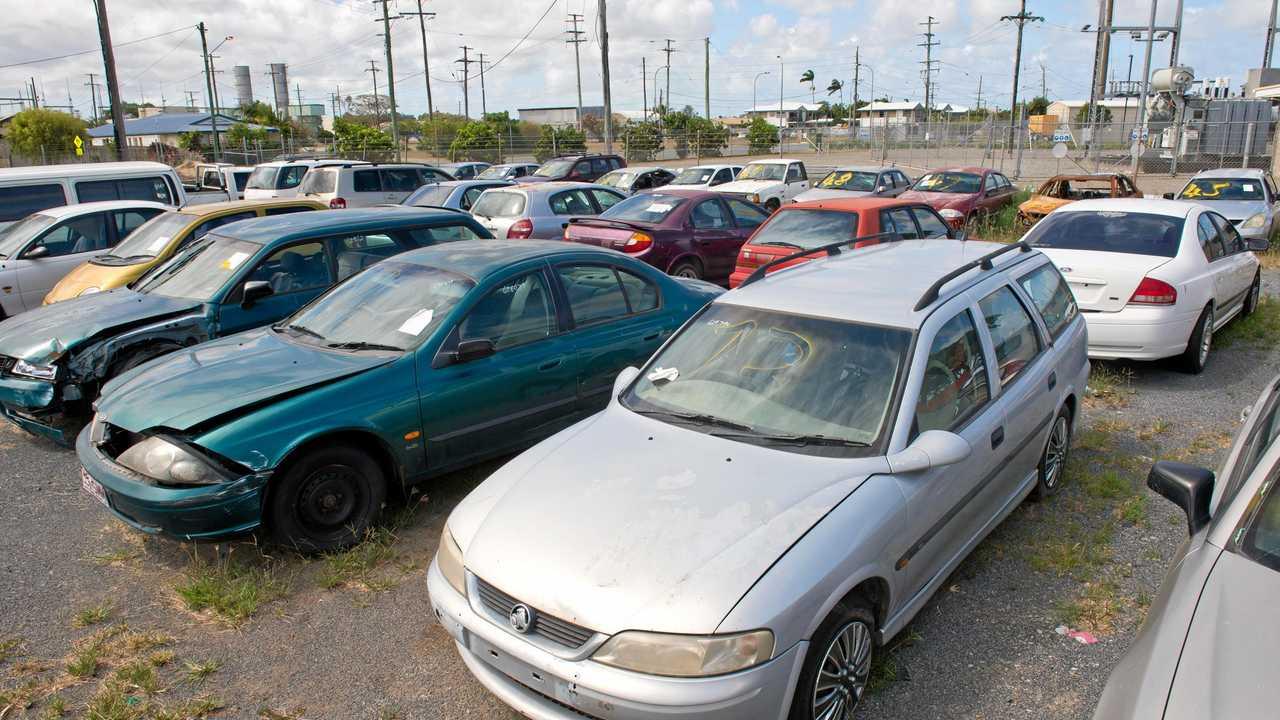
Old cars are more than metal and paint. They are records of how people once travelled, worked, and lived. By looking at older vehicles, it becomes clear how driving habits have changed over time. Design choices, wear marks, and mechanical features all point to a different driving world. In Australia, old cars reflect long distances, rough roads, and a strong link between people and their vehicles. This article explores what these cars tell us about past driving habits and why they still matter today.
Driving in an Era of Fewer Rules
Many older cars were built during a time when road laws were limited. Seatbelts were not always required. Speed limits varied widely between states and regions. This shaped how people drove.
Large steering wheels, soft suspension, and wide bench seats suggest slower speeds and relaxed posture. Drivers often rested one arm on the window frame. Cars were built for steady cruising rather than sharp control. This matched roads that were often narrow, uneven, and poorly marked.
In rural Australia, drivers travelled long stretches with little traffic. Old cars often show signs of dust wear and stone chips, which point to gravel roads and highway travel.
Vehicle Size and Road Confidence
Older cars were often larger and heavier than many modern vehicles. Thick steel panels and solid frames gave drivers a sense of security. This influenced how people behaved on the road.
Drivers felt confident pushing through rough conditions. Parking marks and minor dents were common and rarely repaired. Cars were tools rather than display items. This approach suited daily life where function mattered more than appearance.
Large turning circles and slow braking systems also meant drivers planned ahead. Sudden stops were risky. Anticipation played a key role in driving style.
Manual Controls and Driver Skill
Many old cars used manual gearboxes, choke controls, and drum brakes. These features required skill and attention. Drivers needed to listen to the engine and feel the road.
Cold starts needed patience. Gear changes required timing. Braking distances were longer. These factors shaped calm and steady driving habits. Aggressive moves often led to mechanical trouble.
Older vehicles show worn pedals and gear levers. This wear tells a story of constant use and driver involvement. Driving demanded focus and physical effort.
Fuel Use and Trip Planning
Fuel efficiency was not a main design goal in early decades. Engines were large and consumed more fuel. As a result, drivers planned trips carefully.
Long drives often involved rest stops and fuel checks. Running out of fuel in remote areas posed serious risk. Many old cars include large fuel tanks to handle distance between towns.
This need for planning encouraged careful driving. Sudden detours were avoided. Drivers stayed aware of their surroundings and resources.
Safety Features Reflect Past Attitudes
Old cars lack many safety features now seen as standard. Airbags, crumple zones, and electronic aids were absent. This reveals how safety thinking has changed.
Drivers relied on caution rather than technology. Defensive driving came from experience rather than systems. Many people learned to drive from family members, not formal schools.
Accident damage seen on old cars often shows minor repairs done at home. This points to a time when self repair was common and accepted.
Urban Driving Versus Country Roads
Old cars in cities show different wear patterns than those from rural areas. City cars often have scratched bumpers and worn clutches. Country cars show suspension wear and body rust from exposure.
This contrast tells how driving differed by location. City drivers faced traffic and parking challenges. Country drivers faced distance, wildlife, and road conditions.
Australian driving culture grew from both settings. Old cars capture this mix clearly.
How Old Cars Mark Social Change
Cars also reflect social habits. Family cars had large rear seats and wide boots. This shows group travel and shared outings. Two door models were common for couples and young drivers.
Paint colours and trim styles show taste of the era. Bright colours matched optimistic periods. Earth tones matched practical years.
Each detail links driving habits with broader social trends.
The Modern Shift Toward Vehicle Recycling
As driving habits changed, so did views on old cars. Many vehicles that once served families and workers now sit unused. Recycling became part of the story.
Services linked to Cash for Cars Brisbane support this shift. They help remove unused vehicles while returning materials to industry. This approach reduces waste and supports metal reuse.
Old cars still teach lessons even at the end of their road life.
A Real World Connection to Car History
Within this process, North Brisbane Wreckers fits naturally into the journey of old vehicles. Many cars that reach the end of use carry signs of past driving habits. Instead of seeing them only as scrap, this service handles them with awareness of parts reuse and material recovery. This link between history and recycling shows how old driving stories continue even after the engine stops.
What We Learn From These Vehicles Today
Old cars remind modern drivers how much effort once went into driving. They show patience, planning, and mechanical awareness. While roads and vehicles changed, these lessons remain useful.
Modern systems reduce effort, yet understanding the past builds respect for driving itself. Old cars serve as teachers without words.
Why These Stories Matter
Every worn pedal and faded dashboard tells a story. These details show how people adapted to roads, rules, and machines of their time. In Australia, long distances and tough conditions shaped driving habits deeply.
Preserving knowledge of these habits helps people understand transport history. Recycling old cars with care keeps this link alive in another form.

 English
 French
 Spanish
 Portuguese
 Deutsch
 Turkish
 Dutch
Dutch
 Italiano
 Russian
 Romaian
 Portuguese (Brazil)
 Greek
Greek