
Lost Legends: Rare and Iconic Cars That Almost Vanished in Scrap Yards
Many cars that once ruled roads have faded from daily life. Some vanished due to changing trends. Others fell victim to neglect, rust, or shifting laws. Scrap yards across Australia hold quiet proof of this history. Among stacked shells and worn engines sit rare and iconic cars that almost disappeared forever.
These vehicles were not always seen as special. At one time, they were family cars, workhorses, or weekend cruisers. As years passed, owners moved on. Repairs slowed. Parts grew scarce. Scrap yards became the final stop. Only later did people realise how close many of these cars came to total loss.
This article looks at cars that nearly vanished in scrap yards, the reasons behind their decline, and how some survived against the odds.
Why Rare Cars Ended Up in Scrap Yards
Many iconic cars did not reach scrap yards because they failed early. Most reached old age.
During the 1970s and 1980s, fuel prices rose. Emission rules tightened. Buyers wanted smaller and lighter cars. Large sedans and coupes fell out of favour. Owners sold them cheap or abandoned them when repairs grew costly.
Insurance also played a role. Older cars carried higher premiums with lower market value. When damage occurred, insurers often wrote them off. These vehicles then moved straight to wrecking yards.
Rust was another major factor. Early rust protection methods lacked modern coatings. Coastal areas in Australia sped up corrosion. Once structural rust set in, many cars became unsafe for road use.
Holden Models That Nearly Disappeared
Holden produced many models that shaped Australian motoring. Some almost vanished before people noticed their worth.
Holden Monaro Early Series
The early Monaro models were once common sights. During the fuel crisis, large coupes lost appeal. Many owners scrapped them due to high fuel use and rust issues. Scrap yards filled with shells that few people wanted at the time.
Only later did collectors recognise their cultural value. By then, many had already been crushed.
Holden Torana GTR and XU-1
These cars had racing roots. Yet in daily use, they suffered hard driving and poor maintenance. Engines failed. Bodies rusted. Many ended in wrecking yards as parts donors.
Surviving examples now command attention, showing how close they came to total loss.
Ford Icons That Faced the Same Fate
Ford models also faced near extinction.
Ford Falcon GT Early Builds
Early Falcon GT cars carried performance focus. Many owners drove them hard. Accident damage and engine wear followed. Insurance write-offs sent many to scrap yards.
At that time, few believed these cars would become highly sought after.
Ford Cortina Lotus
This model blended light weight with strong performance. Imported in small numbers, parts were scarce. When engines failed, repair costs rose. Scrap yards became their resting place.
Only a small number survived due to dedicated owners who saw value before others did.
Japanese Classics That Were Once Overlooked
Japanese cars gained popularity for reliability, not collectability. This mindset caused many rare models to disappear.
Datsun 240Z
Early 240Z models changed sports car design. Yet in the 1980s, they were seen as used imports. Rust, accident damage, and engine swaps reduced their numbers.
Many sat in scrap yards as cheap donors for parts. Today, original examples are rare.
Mazda RX Series Early Rotaries
Rotary engines required careful maintenance. Many owners ignored this. Engine failure followed. Wrecking yards filled with RX models that people feared repairing.
Few realised the role these cars played in engine history until numbers dropped sharply.
European Cars That Almost Vanished
European cars also faced high risk.
BMW E9 Coupes
These cars combined style and performance. Rust issues plagued them. Repair costs grew high. Many owners scrapped them rather than restore.
Scrap yards became crowded with shells that few workshops wanted to handle.
Alfa Romeo GTV Series
Alfa cars suffered from rust and electrical issues. Without skilled mechanics, many owners gave up. Scrap yards claimed many rare trims and engine versions.
Only a small group of enthusiasts saved what remained.
The Role of Scrap Yards in Near Extinction
Scrap yards did not cause the loss alone. They reflected public choice.
When owners saw little future value, yards accepted cars as metal and parts. Crushers followed. This process erased large numbers of rare builds.
At the same time, scrap yards unknowingly protected some vehicles. Cars stored in back rows escaped crushing. Years later, restorers found them.
In this way, scrap yards became both graveyards and shelters for lost legends.
How Changing Tastes Changed Survival Rates
Car trends change fast. What feels outdated today may gain respect tomorrow.
During the 1990s, people focused on fuel economy and newer features. Older cars seemed bulky and outdated. As a result, few saved them.
As nostalgia grew, people began seeking cars from earlier decades. By then, supply had dropped. Scrap yards had already removed thousands.
This shift taught collectors a lesson about preservation.
A Modern Link to Vehicle Removal
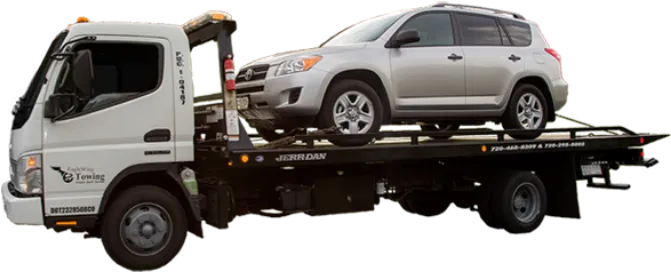
Vehicle removal still connects closely with scrap yards. When owners part with old cars today, removal services guide where vehicles end up.
In Townsville, many vehicles reach yards through organised removal rather than abandonment. Services like Cash 4 Cars Townsville fit into this system by moving unwanted vehicles to wrecking yards where parts and materials are sorted. For many owners, Free Car Removal Townsville offers a clear path when space or repair limits push a car to its final stage. This process helps manage vehicles that may still hold future interest.
Facts About Survival Numbers
Automotive groups estimate that fewer than ten percent of some classic models remain registered today. Rust, accidents, and scrapping caused the largest losses.
For Australian-built cars from the 1970s, survival rates often sit below five percent. Many rare trims exist in double or single digits nationwide.
These numbers show how close many legends came to complete loss.
Lessons Learned From Near Loss
The near disappearance of iconic cars changed how people view old vehicles.
Enthusiast groups formed registries. Owners began storing cars instead of scrapping them. Awareness of future interest grew.
Scrap yards also adjusted. Some now set aside rare models rather than crushing them straight away. This change came from understanding past losses.
Why These Cars Still Matter
These cars represent more than metal. They reflect design thinking, social change, and local industry.
They show how people once drove, worked, and travelled. Losing them would mean losing part of automotive history.
Scrap yards remind us how thin the line can be between survival and loss.
Conclusion
Rare and iconic cars nearly vanished because people once saw them as ordinary. Changing tastes, rising repair costs, and rust pushed many into scrap yards.
Some survived by chance. Others survived due to owners who saw worth early. Scrap yards played a role in both loss and preservation.
These lost legends teach an important lesson. Today’s overlooked cars may become tomorrow’s icons. How they are treated now will decide whether they survive or disappear forever.

 English
 Arabic
 French
 Spanish
 Portuguese
 Deutsch
 Turkish
 Dutch
Dutch
 Italiano
 Russian
 Romaian
 Portuguese (Brazil)