
Bacterial Colony Counter: A Reliable Tool for Accurate Microbial Quantification
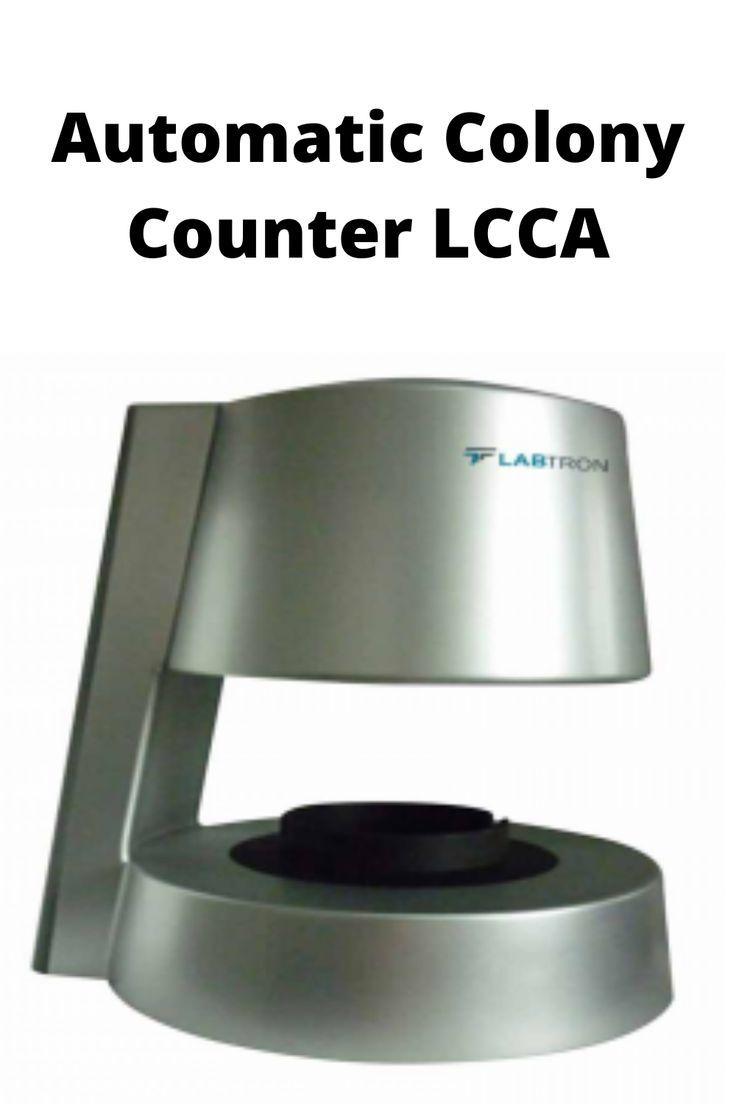
A bacterial colony counter is an essential laboratory instrument used to accurately count bacterial colonies grown on agar plates. In microbiology, precise colony counting is critical for determining bacterial concentration, analyzing contamination levels, and ensuring quality control. Manual counting methods are often slow, inconsistent, and prone to human error, especially when colony density is high. Bacterial colony counters provide a more reliable and efficient solution, helping laboratories achieve consistent and reproducible results across various applications.
What Is a Bacterial Colony Counter?
A bacterial colony counter is a device designed specifically to count bacterial colonies that develop after incubation on culture media. Each visible colony generally represents one viable bacterial cell or group of cells. By accurately counting these colonies, laboratories can calculate colony-forming units (CFUs), which are essential for microbial analysis. Bacterial colony counters range from simple manual systems to advanced digital and automated models, depending on laboratory needs and workload.
Importance of Bacterial Colony Counting
Accurate bacterial colony counting plays a vital role in microbiology and quality assurance. Inaccurate counts can lead to incorrect conclusions, compromised research results, and regulatory non-compliance. A bacterial colony counter ensures uniform counting standards, reduces operator bias, and improves the reliability of microbial testing outcomes. This makes it an indispensable tool in laboratories that handle routine or high-volume bacterial analysis.
Types of Bacterial Colony Counters
Manual Bacterial Colony Counter
Manual bacterial colony counters typically include a magnifying lens, illuminated base, and counting grid. The user counts colonies by marking each one manually. While these counters are affordable and easy to use, they are best suited for low-throughput laboratories, as manual counting can become tiring and inaccurate with large numbers of colonies.
Digital Bacterial Colony Counter
Digital bacterial colony counters enhance manual counting by using electronic sensors and digital displays. Each counted colony is recorded automatically, reducing the chances of double counting or missed colonies. These systems offer better accuracy than purely manual methods and are suitable for medium-scale laboratory operations.
Automated Bacterial Colony Counter
An automated bacterial colony counter uses imaging technology and software algorithms to automatically detect and count bacterial colonies. These systems are ideal for laboratories that require high accuracy, speed, and consistency. Automated counters can analyze plates in seconds and handle high colony densities with minimal user intervention.
Key Features of a Bacterial Colony Counter
High Accuracy and Consistency
A bacterial colony counter provides precise and repeatable results by minimizing human involvement in the counting process. Automated and digital systems ensure consistent counting criteria, which is essential for comparative studies and quality control testing.
Improved Laboratory Efficiency
Using a bacterial colony counter significantly reduces the time spent on manual counting. This allows laboratory personnel to focus on data interpretation, reporting, and other critical tasks, leading to improved workflow efficiency.
User-Friendly Operation
Modern bacterial colony counters are designed with ease of use in mind. Clear displays, intuitive controls, and minimal setup requirements make these devices suitable for both experienced microbiologists and new laboratory technicians.
Data Recording and Traceability
Many bacterial colony counters offer digital data storage and export options. Results can be saved, printed, or transferred to laboratory management systems, ensuring proper documentation and traceability for audits and regulatory compliance.
Applications of Bacterial Colony Counters
Bacterial colony counters are widely used in microbiology research laboratories for studying bacterial growth and behavior. In the pharmaceutical industry, they are essential for sterility testing and microbial limit testing. Food and beverage testing laboratories use bacterial colony counters to ensure hygiene, safety, and compliance with food safety regulations. Environmental laboratories rely on these devices to assess bacterial contamination in water, soil, and air samples.
Advantages Over Manual Counting
Manual bacterial colony counting is time-consuming and highly dependent on the operator’s skill and concentration. A bacterial colony counter eliminates fatigue-related errors and improves accuracy. Automated systems also provide standardized results, making them ideal for laboratories that require repeatability and compliance with international testing standards.
Choosing the Right Bacterial Colony Counter
When selecting a bacterial colony counter, laboratories should consider factors such as sample volume, required accuracy, ease of use, and budget. Automated models are ideal for high-throughput environments, while digital or manual counters may be sufficient for smaller laboratories. Choosing the right system ensures long-term efficiency and reliable microbial analysis.
Conclusion
A bacterial colony counter is a critical tool for accurate and efficient bacterial analysis in modern laboratories. By reducing human error, saving time, and improving result consistency, these devices support high-quality microbiological testing across multiple industries. Investing in a reliable bacterial colony counter helps laboratories maintain precision, efficiency, and compliance in all bacterial testing processes.

 English
 Arabic
 French
 Portuguese
 Deutsch
 Turkish
 Dutch
Dutch
 Italiano
 Russian
 Romaian
 Portuguese (Brazil)
 Greek
Greek