
Can DNA Tests Detect Genetic Disorders?
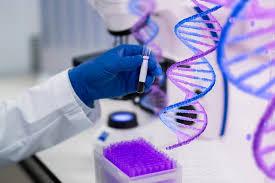
With advancements in genetic science, many people ask, “Can DNA tests detect genetic disorders?” A DNA Test can identify changes or mutations in your genetic code that may indicate a predisposition to certain inherited conditions. While it cannot diagnose every disease definitively, DNA testing provides valuable insights for personal health management, family planning, and early preventive measures. This article explores how DNA testing works for detecting genetic disorders, the types of tests available, preparation, aftercare, and key considerations to ensure accurate and meaningful results.
What Is DNA Testing and How It Works?
DNA Test in Dubai for genetic disorders examines specific areas of your DNA to detect mutations or variations that may contribute to inherited conditions. The process typically begins with collecting a non-invasive sample, such as saliva or a cheek swab, which is then securely sent to a laboratory for analysis.
In the lab, DNA is extracted and sequenced. Genetic markers linked to known disorders are analyzed and compared to reference databases. The findings are then compiled into a report highlighting potential risks or carrier status.
Key steps include:
-
Sample collection and secure transportation
-
DNA extraction and sequencing
-
Analysis of disease-associated genetic markers
-
Confidential reporting of results
This approach is part of genetic disorder screening, which helps individuals understand inherited risks and make informed health decisions.
Importance of Detecting Genetic Disorders:
Understanding potential genetic disorders is crucial for proactive health management. Early detection allows individuals to take preventive measures, adopt lifestyle adjustments, or monitor health more closely.
For family planning, knowing carrier status can guide decisions and provide insight into potential risks for future children. Additionally, DNA testing can alleviate uncertainty for those with a family history of inherited conditions, offering clarity and empowerment through knowledge.
Types of DNA Tests for Genetic Disorders:
Several DNA tests focus on detecting genetic disorders, each designed for specific purposes and levels of detail.
Common Genetic Disorder DNA Test Types:
-
Carrier testing: identifies whether an individual carries a gene for a specific inherited disorder
-
Predictive or predisposition testing: evaluates the risk of developing certain conditions later in life
-
Newborn screening: detects genetic disorders early to guide timely interventions
-
Targeted mutation analysis: examines specific mutations associated with known conditions
These tests fall under genetic health analysis, helping individuals understand and manage hereditary risks.
Preparation for Genetic Disorder DNA Testing:
Proper preparation ensures accurate results and smooth processing. Most DNA tests recommend avoiding food, drink, smoking, or chewing gum for a brief period before collecting a saliva or cheek swab sample.
Preparation tips include:
-
Reading all instructions carefully
-
Using clean hands and surfaces during sample collection
-
Properly labeling and sealing the sample
-
Sending the sample promptly to the laboratory
Following these steps minimizes contamination and ensures reliable analysis.
Aftercare and Interpreting Results:
After submitting a sample, no physical aftercare is required. However, understanding and managing the information received is essential. Results often provide probabilities, risk assessments, or carrier status rather than definitive diagnoses.
Responsible interpretation includes:
-
Reviewing the report thoroughly
-
Considering follow-up testing or counseling if needed
-
Keeping results confidential and secure
-
Understanding the limitations of genetic risk assessment
This ensures that the results are used effectively and responsibly.
Ideal Candidate for Genetic Disorder DNA Testing:
Genetic disorder DNA testing is suitable for individuals concerned about inherited conditions, family planning, or personal health management. Ideal candidates are prepared for probabilistic results and understand the importance of privacy and informed decision-making.
An ideal candidate typically:
-
Has a family history of genetic disorders
-
Seeks information for health or reproductive planning
-
Values privacy and data security
-
Is open to lifestyle or preventive adjustments based on findings
This mindset ensures a positive and informed testing experience.
How to Choose the Right Testing Service?
Selecting a trustworthy provider is critical for accurate and secure genetic disorder testing. Look for transparency in procedures, secure handling of samples, and clear reporting of results.
Important factors include:
-
Clear explanation of test scope and limitations
-
Secure sample handling and data protection
-
Detailed and understandable result reporting
-
Reliable customer support for inquiries
Choosing carefully ensures results are accurate, meaningful, and confidential.
Risks of Genetic Disorder DNA Testing:
While physically low-risk, potential emotional and privacy challenges exist. Unexpected findings can create stress or anxiety, and misinterpretation of results may occur without proper guidance.
Understanding these risks allows users to approach testing responsibly and make informed decisions about their health and lifestyle.
Benefits of DNA Testing for Genetic Disorders:
DNA Test offers numerous benefits when used responsibly:
Key benefits include:
-
Identification of inherited disease risks
-
Guidance for preventive health measures
-
Insight for family planning decisions
-
Empowerment through personal knowledge
These advantages make DNA testing a valuable tool for proactive health management.
Frequently Asked Questions:
Can DNA tests diagnose all genetic disorders?
No, they detect predispositions or known mutations, not every possible condition.
How accurate are these tests?
Accuracy depends on sample quality, laboratory procedures, and the specific genetic markers analyzed.
Can results change over time?
DNA does not change, but interpretations may evolve as science advances.
Is my genetic data secure?
Reputable providers implement strong privacy measures and require user consent.
Conclusion:
DNA testing can reveal valuable information about potential genetic disorders, helping individuals make informed decisions regarding health, lifestyle, and family planning. By understanding how tests work, preparing carefully, and selecting a reliable service, users can gain meaningful insights with confidence. Whether exploring genetic risk locally or through services like DNA Test Dubai, informed use ensures that your genetic journey is secure, accurate, and empowering.

 English
 Arabic
 French
 Spanish
 Portuguese
 Deutsch
 Turkish
 Dutch
Dutch
 Italiano
 Russian
 Romaian
 Portuguese (Brazil)