
How Hemp Fiber is Used in Textiles: A Sustainable Fashion Revolution
Introduction
The question of how hemp fiber is used in textiles is becoming increasingly important in the USA as consumers demand sustainable fashion alternatives. Hemp fiber, known for its strength and eco-friendly properties, is reshaping the textile industry. With companies like Dakota Hemp leading wholesale hemp fiber solutions, hemp textiles are gaining recognition as durable, breathable, and environmentally responsible materials.
What is Hemp Fiber?
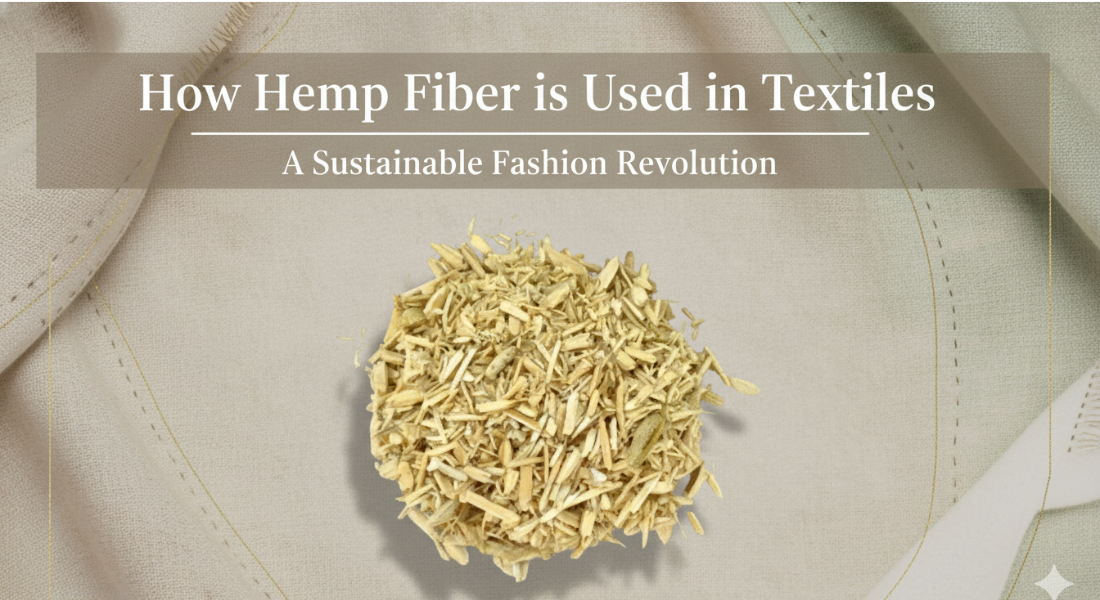
Hemp fiber is derived from the stalk of the hemp plant. It is one of the strongest natural fibers, historically used for ropes, sails, and fabrics. Today, hemp fiber is processed into yarn and woven into textiles, making it a cornerstone of sustainable fashion and industrial hemp uses.
Benefits of Hemp Fiber in Textiles
Hemp fiber offers unique advantages in textile production:
- Durability: Stronger and longer-lasting than cotton.
- Eco-Friendly: Requires less water and fewer pesticides compared to cotton.
- Breathability: Hemp fabrics are breathable and antimicrobial.
- Versatility: Blends well with cotton, silk, and other fibers.
- Sustainability: Hemp fiber supports eco-friendly innovation in fashion.
- Renewable Resource: Hemp grows quickly and replenishes soil health.
How Hemp Fiber is Processed for Textiles
Understanding how hemp fiber is used in textiles begins with its processing:
- Harvesting: Hemp stalks are cut and dried.
- Retting: Pectins binding the fibers are broken down through field, water, or chemical retting.
- Decortication: The stalk is separated into fiber and hurd.
- Fiber Processing: Hemp fiber is cleaned, carded, and spun into yarn.
- Textile Production: Yarn is woven into fabrics or blended with other fibers.
Hemp Fiber Uses in Fashion
Hemp fiber is increasingly used in fashion and wellness industries:
- Clothing: Shirts, pants, dresses, and jackets.
- Accessories: Bags, hats, and shoes.
- Eco-Friendly Fashion: Sustainable brands are adopting hemp textiles for their durability and low environmental impact.
Hemp vs Cotton in Textiles
When comparing hemp vs cotton in textiles:
- Hemp: Durable, eco-friendly, requires less water, and is naturally pest-resistant.
- Cotton: Softer but resource-intensive, requiring pesticides and large amounts of water.
Hemp textiles are often blended with cotton to combine softness with durability.
Industrial Hemp Market and Textiles
The industrial hemp market is expanding rapidly, with textiles playing a central role. Hemp fiber supports industries from fashion to wellness, making it a vital part of industrial hemp uses.
Hemp Sustainable Materials in Textiles
Hemp fiber represents the future of hemp sustainable materials in fashion. Hemp textiles are biodegradable, breathable, and durable, offering eco-friendly alternatives to synthetic fabrics.
Advantages of Hemp Textiles
- Durability: Long-lasting and resistant to wear.
- Comfort: Breathable and antimicrobial.
- Eco-Friendly: Reduces water and pesticide use.
- Versatility: Blends with cotton, silk, and other fibers.
- Sustainability: Supports eco-friendly fashion innovation.
Challenges of Hemp Textiles
While hemp textiles offer many benefits, there are challenges:
- Texture: Hemp fabrics can feel rough compared to cotton.
- Cost: Higher upfront costs compared to traditional fabrics.
- Availability: Hemp textiles are still emerging in mainstream fashion markets.
Despite these challenges, hemp’s sustainability makes it a promising material for the future of fashion.
Conclusion
Understanding how hemp fiber is used in textiles reveals its importance in sustainable fashion. From harvesting and processing to weaving and blending, hemp’s journey transforms it into durable, breathable, and eco-friendly fabrics. As the industrial hemp market expands, hemp textiles will continue to reshape fashion and wellness industries. For premium hemp products and wholesale solutions, trust Dakota Hemp Industrial Hemp Fiber Wholesale your partner in sustainable hemp innovation.
FAQs
How is hemp fiber used in textiles?
It is processed into yarn and woven into fabrics for clothing, accessories, and eco-friendly fashion.
Why is hemp better than cotton in textiles?
Hemp is more durable, eco-friendly, and requires fewer resources compared to cotton.
Can hemp textiles be blended with other fibers?
Yes, hemp blends well with cotton, silk, and other fibers for comfort and durability.
What are the benefits of hemp textiles?
Durability, breathability, antimicrobial properties, and sustainability.
Where can I buy wholesale hemp fiber for textiles?
Trusted retailers like Dakota Hemp offer wholesale industrial hemp fiber and sustainable materials.

 English
 Arabic
 French
 Portuguese
 Deutsch
 Turkish
 Dutch
Dutch
 Italiano
 Russian
 Romaian
 Portuguese (Brazil)
 Greek
Greek