
What is ICSI treatment and how does it help infertile couples
Infertility is becoming more common, and many couples struggle to conceive even after months or years of trying. One of the most advanced fertility solutions available today is ICSI treatment, a technique that has transformed the chances of pregnancy for couples facing severe male or unexplained infertility. Understanding how ICSI works can help couples make informed decisions about their fertility journey.
Understanding ICSI: A Modern Fertility Technique
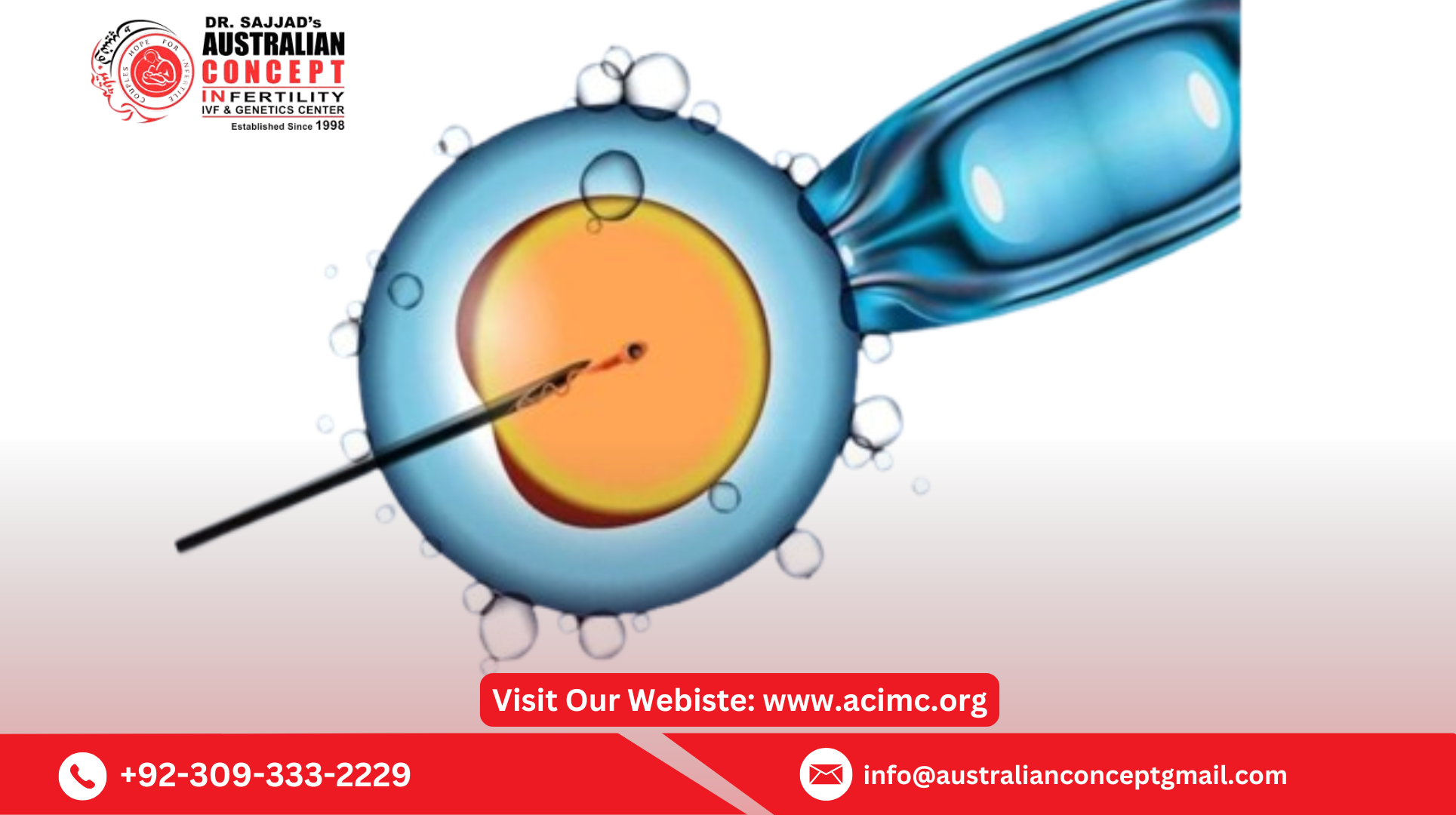
ICSI stands for Intracytoplasmic Sperm Injection. It is an advanced laboratory procedure used during IVF where a single healthy sperm is selected and injected directly into the center of the egg. This technique helps overcome fertilization problems that cannot be solved with regular IVF alone. In simple words, ICSI gives the sperm direct access to the egg, increasing the chances of successful fertilization.
ICSI is especially helpful when the male partner has conditions that limit the ability of the sperm to reach or penetrate the egg naturally. It has become a standard recommendation in many fertility cases because of its high success potential and precision.
Who Needs ICSI Treatment?
ICSI is mainly recommended for couples experiencing male-factor infertility. However, there are several situations where this treatment can improve outcomes.
1. Low Sperm Count
If the sperm count is too low, there may not be enough healthy sperm to fertilize an egg naturally. ICSI allows the embryologist to choose the best sperm.
2. Poor Sperm Motility
When sperm movement is weak, they cannot swim to the egg. Through ICSI, movement no longer matters because the sperm is injected directly into the egg.
3. Abnormal Sperm Shape
Morphology issues can prevent sperm from penetrating the egg. ICSI helps overcome this by selecting the most normal-looking sperm.
4. Ejaculation Problems
Conditions like retrograde ejaculation, spinal injuries, or blockages can prevent sperm release. With ICSI, sperm can be directly retrieved and used for fertilization.
5. Previous Failed IVF Cycles
Couples who did not achieve fertilization with standard IVF often find better results with ICSI.
The Step-by-Step Process of ICSI Treatment
ICSI follows a detailed and carefully controlled process. Each step is designed to maximize the chances of creating healthy embryos.
1. Ovarian Stimulation
The woman is given fertility medications to help her produce multiple mature eggs. These eggs offer better chances for successful fertilization.
2. Egg Retrieval
The mature eggs are collected from the ovaries using a simple minor procedure performed under sedation. It usually takes only 15–20 minutes.
3. Sperm Collection
Sperm can be collected through ejaculation or retrieved surgically if necessary. The embryologist checks sperm quality and identifies the best ones for ICSI.
4. Injection of Sperm into the Egg
The embryologist uses a fine needle to inject a single sperm directly into each egg. This requires expert skill and advanced laboratory equipment.
5. Embryo Development
The injected eggs are kept in a controlled environment where they begin dividing and developing into embryos over the next 3–5 days.
6. Embryo Transfer
A healthy embryo is gently transferred into the woman’s uterus. If implantation occurs, pregnancy begins naturally.
Why ICSI Is Highly Effective for Infertile Couples
ICSI offers several advantages and significantly improves the chances of pregnancy for couples who face male infertility challenges.
1. Overcomes Severe Male Infertility
Even when sperm count or quality is extremely low, ICSI can still make fertilization possible.
2. Helps in Unexplained Infertility
Many couples do not know why they cannot conceive. ICSI improves fertilization chances in such cases.
3. Higher Fertilization Rates
ICSI gives a greater probability of achieving fertilized embryos compared to standard IVF for certain conditions.
4. Assists Couples with Previous Failures
If earlier IVF cycles resulted in poor fertilization, ICSI often improves success.
5. Suitable for Frozen Sperm Samples
When sperm has been stored due to medical reasons such as chemotherapy, ICSI can effectively use even low-quality frozen sperm.
Is ICSI Safe for Couples?
ICSI is widely practiced worldwide and has proven to be safe for both parents and babies. Millions of healthy babies have been born through ICSI since the technique was introduced. The procedure does not harm the eggs, and strict laboratory standards help prevent complications. Couples worried about genetic issues may also receive pre-treatment counseling or optional genetic testing for added reassurance.
Success Rates of ICSI Treatment
ICSI does not guarantee pregnancy, but it can significantly increase chances, especially when male-factor infertility plays a major role. Success depends on several factors like:
-
Woman’s age
-
Egg quality
-
Sperm health
-
Embryo quality
-
Overall reproductive health
Younger women and couples with good-quality embryos generally experience better results.
Final Thoughts
ICSI treatment has become one of the most powerful fertility solutions for couples struggling with male infertility, unexplained infertility, or repeated IVF failures. By directly injecting the sperm into the egg, ICSI removes many obstacles that prevent natural fertilization. For many couples, this treatment offers renewed hope and a real chance to start a family.
For More Details: https://acimc.org/ivf-lahore/

 English
 Arabic
 French
 Spanish
 Portuguese
 Deutsch
 Turkish
 Dutch
Dutch
 Italiano
 Romaian
 Portuguese (Brazil)
 Greek
Greek