
Why Handloom Clothes Are Gaining Popularity Among Conscious Indian Buyers
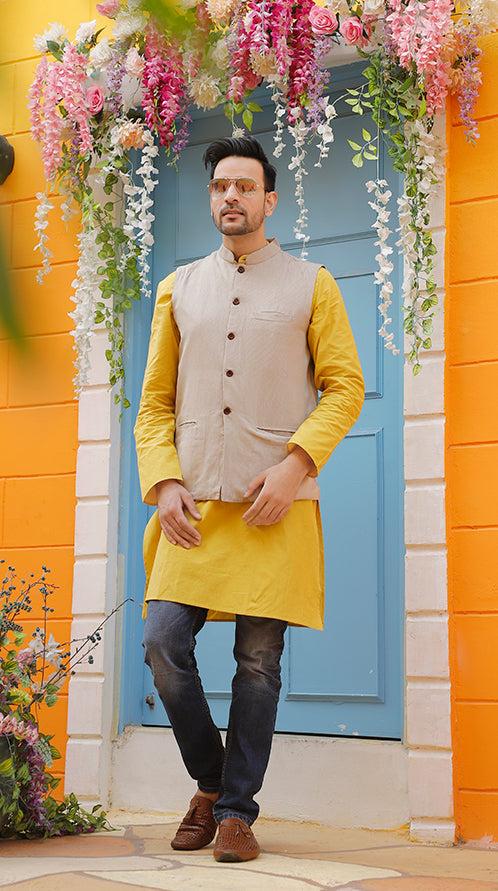
The Indian fashion landscape is witnessing a significant transformation. For years, fast fashion dominated the market with its promise of quick trends and low prices. However, a growing segment of the population is now pausing to consider the impact of their consumption habits. This shift in mindset has led to a remarkable resurgence of interest in traditional textiles. More consumers are turning towards handloom clothes as a preferred choice for their wardrobes, driven by a desire for sustainability, authenticity, and cultural connection.
This movement is not merely a passing trend. It represents a deeper understanding of quality and ethics. Conscious buyers are looking beyond the aesthetic appeal of a garment to understand its origin, the materials used, and the hands that crafted it.
A Shift Towards Sustainable Fashion
One of the primary reasons for the rising popularity of handwoven textiles is the global push for sustainability. The environmental cost of mass-produced clothing is becoming increasingly difficult to ignore. From water pollution caused by chemical dyes to the massive carbon footprint of industrial manufacturing, the fashion industry has a significant impact on the planet.
In contrast, the production of handloom fabrics is inherently eco-friendly. The weaving process relies on human energy rather than electricity, resulting in a negligible carbon footprint. Furthermore, these textiles are typically made from natural fibres such as cotton, silk, wool, or jute, which are biodegradable. By choosing these garments, buyers feel they are making a responsible choice that aligns with environmental preservation.
The Unique Charm of Imperfection
In a world filled with identical, mass-produced items, there is a distinct luxury in owning something unique. Machine-made garments are designed to be uniform, with every piece looking exactly the same. Handwoven fabrics, however, tell a different story.
When searching for the best handloom clothes, enthusiasts often look for the subtle irregularities in the weave. These are not defects but rather signatures of the artisan who created the fabric. The slight variations in texture and design ensure that no two pieces are ever truly identical. This exclusivity appeals to modern buyers who wish to express their individuality through their attire. The human touch involved in the process imbues the fabric with a character and warmth that automated machines simply cannot replicate.
Supporting the Artisan Economy
The decision to purchase handwoven apparel is often driven by a strong sense of social responsibility. The textile sector is one of the largest employers in the country, particularly in rural areas. However, weavers have faced immense challenges due to the dominance of power looms and industrial manufacturing.
By opting for handloom clothing India has to offer, consumers play a direct role in sustaining the livelihoods of skilled artisans. This support helps preserve age-old techniques that have been passed down through generations. It empowers weavers to continue their craft with dignity and ensures that these intricate skills do not vanish in the face of modernisation. For the conscious buyer, the knowledge that their purchase supports a family rather than a faceless corporation adds significant value to the garment.
Accessibility Through Digital Platforms
Historically, authentic handwoven textiles were often limited to specific geographic regions or craft fairs. If you wanted a specific weave from a remote village, you likely had to travel there or rely on limited retail stock. This geographical barrier has been effectively dismantled by technology.
Today, it is easier than ever to find handloom clothes online. Digital platforms have bridged the gap between rural weavers and urban consumers. This accessibility has been crucial in the sector's revival. Buyers can now browse through a vast array of styles, weaves, and designs from the comfort of their homes. This convenience has introduced traditional textiles to a younger, tech-savvy generation that values both heritage and ease of shopping.
Bridging Tradition and Modernity
The availability of these garments online has also encouraged designers to innovate. Weavers are no longer restricted to traditional sarees or dhotis. There is now a wide variety of contemporary silhouettes available, from tunics and dresses to shirts and trousers, all made from traditional fabrics. This fusion of modern style with traditional technique makes handloom clothes a versatile option for the contemporary wardrobe.
Comfort and Climate Suitability
Beyond ethics and aesthetics, practical comfort remains a key factor in the popularity of these fabrics. The Indian climate, with its intense summers and humidity, demands clothing that breathes.
- Breathability: The loose weave of hand-spun fabrics allows for better air circulation compared to mill-made alternatives.
- Temperature Regulation: Natural fabrics like Khadi remain cool in summer and provide warmth in winter.
- Skin-Friendly: Being largely free from harsh industrial chemicals, these fabrics are gentler on sensitive skin.
Consumers are realising that comfort does not have to come at the cost of style. The softness of the fabric improves with every wash, making it a durable and comfortable investment for daily wear.
Conclusion
The resurgence of handwoven textiles is a positive indicator of a maturing consumer base. It reflects a movement away from mindless consumption towards a more thoughtful approach to fashion.
By prioritising sustainability, supporting artisan livelihoods, and valuing unique craftsmanship, Indian buyers are ensuring that the country’s rich textile heritage remains vibrant and relevant. The popularity of these garments is well-deserved, offering a perfect blend of ethical production, aesthetic beauty, and practical comfort.
For those interested in exploring authentic handcrafted apparel, Shramdaan provides a curated selection of textiles that honour these values. You can learn more about their mission and browse their collection at https://shramdaan.in/.

 Arabic
 French
 Spanish
 Portuguese
 Deutsch
 Turkish
 Dutch
Dutch
 Italiano
 Russian
 Romaian
 Portuguese (Brazil)
 Greek
Greek