
How Dermatech Polyclinic Handles Sensitive Skin Issues
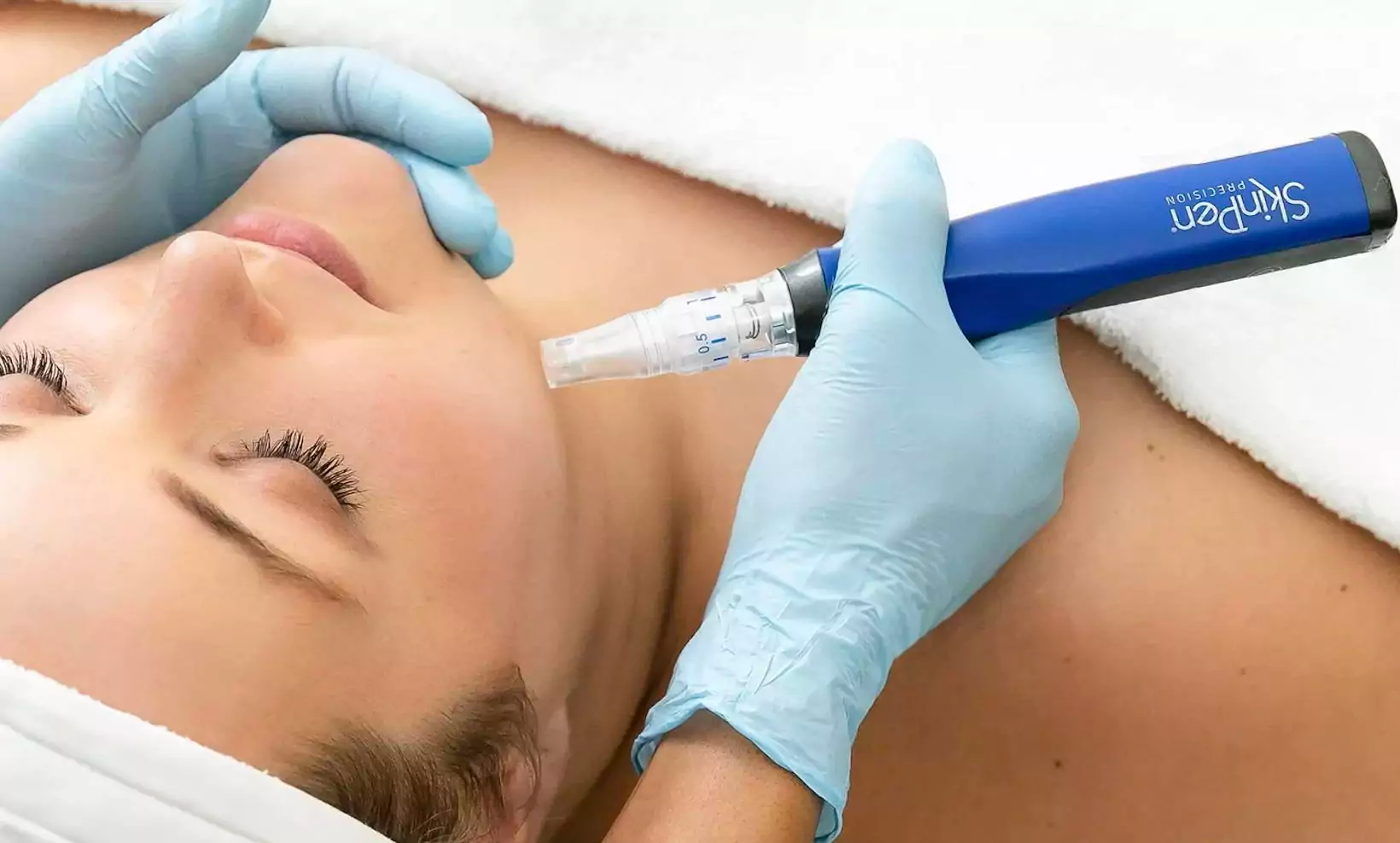
Sensitive skin is more than a cosmetic inconvenience—it is a complex dermatological concern that requires careful diagnosis, targeted treatment, and long-term management. Individuals with sensitive skin often experience redness, irritation, burning sensations, dryness, or unexpected reactions to products and environmental triggers. At Derma clinic Dubai, specialists take a structured, science-driven approach to identify the root causes of sensitivity and create personalized treatment strategies that restore balance and resilience.
Understanding Sensitive Skin: More Than Just Redness
Sensitive skin is characterized by an overreactive response to stimuli that typically do not affect normal skin. These triggers may include:
Harsh skincare ingredients
Sun exposure
Temperature changes
Pollution
Stress
Hormonal fluctuations
Often, sensitive skin is linked to a compromised skin barrier. When the protective barrier weakens, moisture escapes more easily, and irritants penetrate deeper, leading to inflammation and discomfort.
Step One: Accurate Diagnosis and Skin Analysis
At Dermatech Polyclinic, the first step in managing sensitive skin is a comprehensive consultation. Dermatologists assess:
Skin hydration levels
Barrier strength
Inflammation markers
Allergy history
Lifestyle habits
Current skincare products
Advanced diagnostic tools help determine whether sensitivity is due to rosacea, eczema, allergic reactions, over-exfoliation, or environmental stressors. This precise diagnosis prevents mismanagement and unnecessary irritation.
Identifying the Root Cause of Sensitivity:
Sensitive skin can stem from multiple underlying factors, including:
Chronic inflammation
Overuse of active ingredients
Autoimmune skin conditions
Hormonal imbalances
Genetic predisposition
Dermatech experts focus on identifying and addressing the primary trigger rather than simply soothing surface symptoms.
Rebuilding the Skin Barrier: The Core Strategy
A damaged skin barrier is central to most sensitive skin concerns. Restoring it is a priority.
Gentle Cleansing Protocol:
Patients are advised to use mild, fragrance-free cleansers that maintain the skin’s natural pH. Over-cleansing is discouraged.
Barrier-Repair Moisturizers:
Products rich in ceramides, hyaluronic acid, and soothing agents help rebuild the lipid layer and reduce transepidermal water loss.
Controlled Use of Active Ingredients:
Strong acids, retinoids, or exfoliants are introduced gradually, if at all, under professional supervision.
This foundational care stabilizes the skin before advanced treatments are considered.
Managing Inflammation with Medical Precision:
When sensitivity involves redness, itching, or persistent irritation, medical treatments may be required. Dermatech dermatologists may recommend:
Prescription anti-inflammatory creams
Topical treatments to reduce redness
Short-term calming therapies
Specialized skincare formulations
The goal is to calm the immune response and prevent recurring flare-ups.
Treating Conditions That Mimic Sensitive Skin:
Some conditions are often mistaken for general sensitivity. These include:
Rosacea
Contact dermatitis
Seborrheic dermatitis
Mild eczema
At Dermatech Polyclinic, specialists distinguish between these conditions to ensure appropriate therapy.
For example, laser therapy may be used cautiously to treat rosacea-related redness, while eczema may require barrier repair and anti-inflammatory medication.
Professional Treatments Tailored for Sensitive Skin:
Contrary to common belief, individuals with sensitive skin can still benefit from professional dermatological treatments—when customized appropriately.
Gentle Hydration Treatments:
Hydration facials and skin boosters designed for reactive skin improve moisture levels without irritation.
Low-Intensity Laser Therapy:
Carefully calibrated laser treatments can reduce redness and visible blood vessels in certain cases.
Mild Chemical Peels:
Superficial peels formulated for sensitive skin promote gentle exfoliation without triggering inflammation.
All procedures are selected based on skin tolerance and medical history.
Avoiding Common Mistakes That Worsen Sensitivity:
Dermatech experts frequently caution against:
Using multiple new products simultaneously
Over-exfoliating
Following unverified online skincare trends
Ignoring sunscreen
Self-diagnosing persistent irritation
Professional guidance prevents trial-and-error routines that may aggravate the condition.
Sun Protection: A Non-Negotiable Step
Sensitive skin is often more vulnerable to UV damage. Broad-spectrum sunscreen with physical blockers like zinc oxide is recommended daily.
Sun protection reduces inflammation, prevents pigmentation, and supports barrier recovery.
Lifestyle Adjustments for Long-Term Comfort:
Managing sensitive skin extends beyond skincare products.
Stress Management:
Chronic stress can trigger inflammatory responses, worsening sensitivity.
Diet Awareness:
Certain foods may exacerbate redness in some individuals. Keeping a trigger journal can help identify patterns.
Climate Protection:
Extreme temperatures and dry air can weaken the skin barrier. Protective clothing and indoor humidity control help maintain balance.
The Importance of Gradual Progress:
Sensitive skin requires patience. Rapid introduction of strong treatments can lead to setbacks. Dermatech Polyclinic emphasizes a gradual approach, allowing the skin time to adapt and strengthen.
Follow-up consultations ensure adjustments are made based on progress and tolerance.
Building Skin Resilience Over Time:
The ultimate goal is not just calming irritation but building resilience. Through barrier repair, targeted treatments, and preventive care, patients develop stronger, less reactive skin over time.
Long-term strategies may include:
Scheduled maintenance sessions
Seasonal skincare adjustments
Ongoing product evaluation
Regular dermatological check-ups
This proactive approach reduces the frequency and severity of flare-ups.
Frequently Asked Questions:
Can sensitive skin be permanently cured?
While sensitivity cannot always be permanently eliminated, it can be effectively managed and significantly improved with proper care.
Are professional treatments safe for reactive skin?
Yes, when performed by experienced dermatologists who customize protocols specifically for sensitive skin.
How long does it take to see improvement?
Many patients notice reduced irritation within a few weeks of following a structured treatment plan.
Final Thoughts:
Sensitive skin requires more than soothing creams—it demands professional evaluation, careful treatment selection, and consistent maintenance. Attempting to manage it without guidance often leads to worsening symptoms.
At Dermatech polyclinic, dermatology experts combine medical precision with personalized care to restore comfort and confidence. Through barrier repair, inflammation control, and preventive strategies, patients can achieve healthier, calmer, and more resilient skin for the long term.

 English
 Arabic
 French
 Spanish
 Portuguese
 Deutsch
 Dutch
Dutch
 Italiano
 Russian
 Romaian
 Portuguese (Brazil)
 Greek
Greek