
Smart Locker Applications Beyond Storage: From Parcel Handling to Asset Management
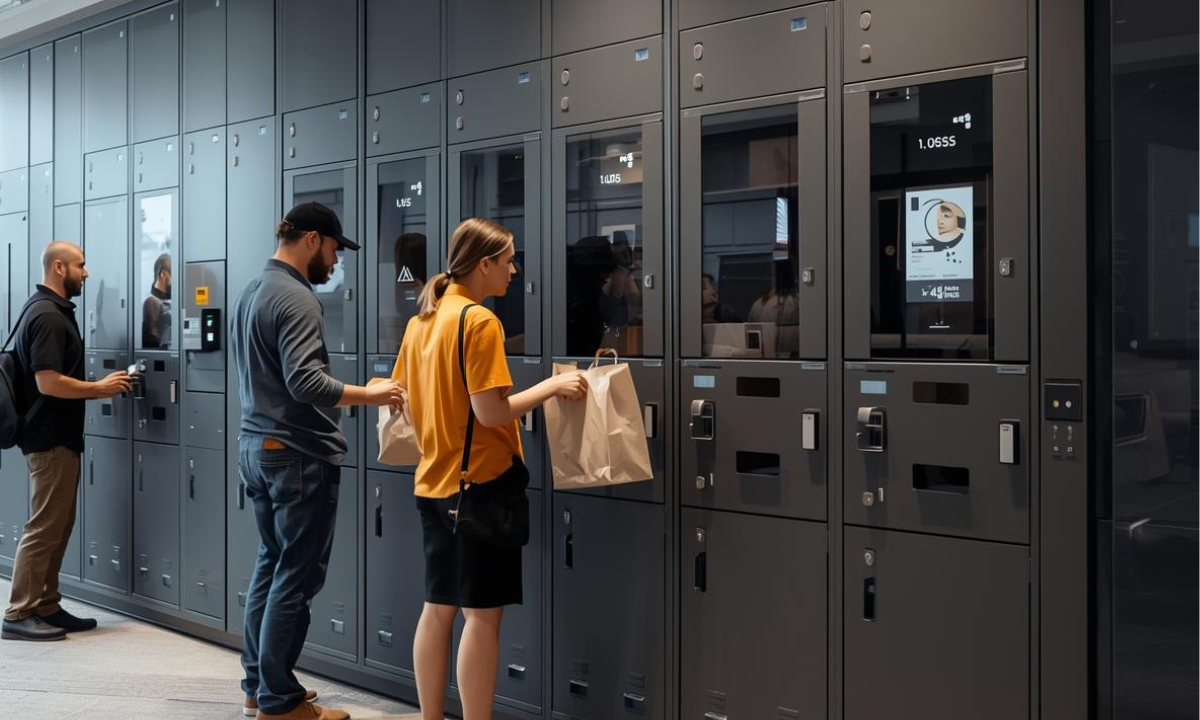
Smart Locker Applications Beyond Storage: From Parcel Handling to Asset Management
Smart lockers started as simple storage boxes with digital locks. Today, they power logistics, retail, healthcare, education, and corporate operations. They connect hardware with software, automate handoffs, and reduce manual tracking. If you still see smart lockers as metal cabinets with PIN Codes, you are missing the bigger picture.
Let’s break down how smart lockers go far beyond storage and drive real operational value.
The Evolution of Smart Lockers
Traditional lockers required physical keys or manual supervision. Smart lockers replaced keys with QR codes, mobile apps, RFID, and cloud dashboards. That shift changed everything.
Now, organizations can:
- Track usage in real time
- Assign compartments remotely
- Generate audit trails
- Integrate lockers with enterprise systems
Instead of acting as passive storage units, smart lockers function as automated distribution hubs.
Parcel Handling and Last-Mile Delivery
Reducing Failed Deliveries
Last-mile delivery is expensive and inefficient. Missed deliveries create delays and additional costs. Smart lockers solve this by offering secure, 24/7 pickup points.
Courier drops the parcel. System sends notification. Recipient collects using a code or mobile app. No door knocks. No waiting. No rescheduling.
For apartment complexes, office parks, and universities, this reduces congestion at reception desks and eliminates package theft.
Contactless Distribution
Contactless delivery became essential in recent years. Smart lockers enable zero-contact parcel exchange. That makes them ideal for:
- Residential buildings
- Corporate campuses
- Co-working spaces
- Retail chains
The process stays automated, traceable, and secure.
Carrier-Agnostic Infrastructure
Instead of separate systems for different courier companies, smart lockers support multiple carriers in one shared infrastructure. This simplifies logistics for property managers and reduces hardware duplication.
E-Commerce and Retail Integration
Click-and-Collect Services
Retailers use smart lockers for buy-online-pickup-in-store (BOPIS) models. Customers place orders online and retrieve items from lockers without standing in line.
Benefits include:
- Faster order fulfillment
- Reduced in-store congestion
- Lower staffing pressure
- Improved customer experience
Retailers can place lockers inside stores or outside for 24/7 pickup.
Returns Management
Returns are a major operational burden in e-commerce. Smart lockers streamline the reverse logistics process.
Customers drop items in lockers. System logs the return automatically. Warehouse teams collect items in batches. This reduces manual scanning and paperwork.
The result: faster refunds and improved tracking accuracy.
Corporate Asset Management
Smart lockers are increasingly used inside organizations to manage shared assets.
IT Equipment Distribution
Companies issue laptops, tablets, mobile phones, and accessories through smart lockers. When a new employee joins:
- Admin assigns device to locker compartment
- Employee receives access code
- Device pickup is logged automatically
No need for manual handover. No missing signatures. Full accountability.
Device Swaps and Repairs
When hardware requires servicing, employees drop devices into lockers. IT teams retrieve, repair, and reassign equipment through the same system.
Each interaction generates a timestamped record. This creates a transparent asset lifecycle history.
Tool and Equipment Control
Manufacturing units, warehouses, and construction firms use smart lockers to control access to:
- Tools
- Safety equipment
- Specialized machinery
Access can be restricted by role, shift, or certification level. That reduces misuse and improves compliance.
Healthcare and Medical Supply Distribution
Healthcare facilities rely on precise inventory control. Smart lockers help maintain accountability and speed.
Secure Medication Dispensing
Hospitals use lockers to store medications and sensitive supplies. Access can be limited to authorized staff through biometric or RFID authentication.
Every withdrawal is logged. That reduces errors and diversion risks.
Lab Sample Handling
Labs can use lockers as drop-off points for specimen transfers. This ensures secure, traceable exchange between departments without direct contact.
PPE and Equipment Allocation
During high-demand periods, smart lockers help distribute protective gear efficiently while tracking usage patterns.
Education and Campus Operations
Universities and schools benefit from smart locker systems in multiple ways.
Student Package Management
Campus mailrooms often struggle with volume spikes. Smart lockers automate distribution and reduce staff workload.
Students receive notifications and pick up packages at their convenience.
Shared Device Programs
Many institutions provide shared laptops or tablets. Smart lockers allow students to borrow and return devices without manual check-in processes.
The system logs borrowing duration and usage patterns automatically.
Library and Resource Access
Libraries can use lockers for reserving books or multimedia equipment. Students collect reserved items without standing in queues
Workforce Enablement and Hybrid Work
The rise of hybrid work models has changed office dynamics. Assigned desks are less common. Smart lockers support this shift.
Personal Storage for Flexible Workspaces
Employees working on flexible schedules need secure temporary storage. Smart lockers provide day-use compartments assigned dynamically.
When the day ends, locker resets and becomes available for the next user.
Uniform and Equipment Distribution
Retail and hospitality sectors use lockers to issue uniforms and collect used items for cleaning. This keeps operations structured and traceable.
Logistics and Supply Chain Optimization
Smart lockers are becoming micro-distribution points within supply chains.
Internal Inventory Control
Warehouses can deploy lockers for high-value components. Workers retrieve items through authenticated access. This prevents shrinkage.
Route-Based Dispatch Systems
Delivery companies use lockers at depots to stage packages for drivers. Drivers collect pre-assigned shipments quickly without manual sorting.
Time saved per shift translates directly into cost savings.
Data and Analytics Capabilities
The real power of smart lockers lies in the software layer.
Each interaction produces data:
- Pickup times
- Drop-off frequency
- Peak usage hours
- Asset movement history
This data helps organizations optimize staffing, inventory levels, and operational workflows.
For example:
- Retailers identify peak pickup windows
- Corporations monitor device turnover rates
- Healthcare facilities track medication access trends
Data turns lockers from storage units into operational intelligence tools.
Security and Compliance Advantages
Smart lockers enhance both physical and digital security.
Controlled Access
Multi-factor authentication options include:
- PIN codes
- QR codes
- RFID cards
- Biometrics
Access rules can be configured based on time, role, or clearance level.
Audit Trails
Every interaction is recorded. This supports:
- Regulatory compliance
- Internal audits
- Dispute resolution
Compared to manual sign-out sheets, digital logs are accurate and searchable.
Environmental and Space Efficiency
Smart lockers reduce clutter and unnecessary transportation.
- Fewer failed deliveries mean fewer repeat trips
- Consolidated pickup reduces vehicle congestion
- Compact locker banks optimize floor space
In urban environments, this improves efficiency while lowering operational costs.
Future Outlook
Smart lockers will integrate further with IoT and enterprise systems.
Expect advancements such as:
- AI-based demand forecasting
- Integration with ERP and HR systems
- Smart temperature-controlled compartments
- Automated restocking notifications
As businesses continue automating workflows, smart lockers will act as physical touchpoints in digital ecosystems.
Conclusion
Smart lockers have evolved into multifunctional automation tools. They handle parcels, manage assets, control inventory, support healthcare operations, and streamline campus logistics. Their value lies in automation, data visibility, and controlled access.
Organizations that view smart lockers as operational infrastructure rather than storage furniture gain efficiency, accountability, and scalability. From last-mile delivery to internal asset tracking, smart lockers are becoming essential components of modern workflows.
FAQs
1. How do smart lockers improve asset tracking in companies?
Smart lockers log every pickup and return with timestamps and user identification. This creates a clear digital trail for devices, tools, or equipment, reducing loss and improving accountability.
2. Are smart lockers suitable for small businesses?
Yes. Small businesses can use compact locker systems for package handling, equipment control, or retail pickup services without requiring large infrastructure investments.
3. Can smart lockers integrate with existing enterprise systems?
Most modern smart locker platforms integrate with HR, ERP, and inventory management systems through APIs. This allows automated assignment and real-time data synchronization.
4. Are smart lockers secure enough for sensitive materials?
Smart lockers support multiple authentication methods and encrypted software platforms. Access restrictions and detailed logs make them suitable for high-security environments like healthcare and IT departments.
5. What industries benefit most from smart locker systems?
Retail, logistics, healthcare, education, manufacturing, and corporate offices gain significant operational improvements through smart locker adoption.

 English
 Arabic
 French
 Spanish
 Portuguese
 Deutsch
 Dutch
Dutch
 Italiano
 Russian
 Romaian
 Portuguese (Brazil)
 Greek
Greek