
How to Detect and Manage Dental Internal Resorption Before Damage
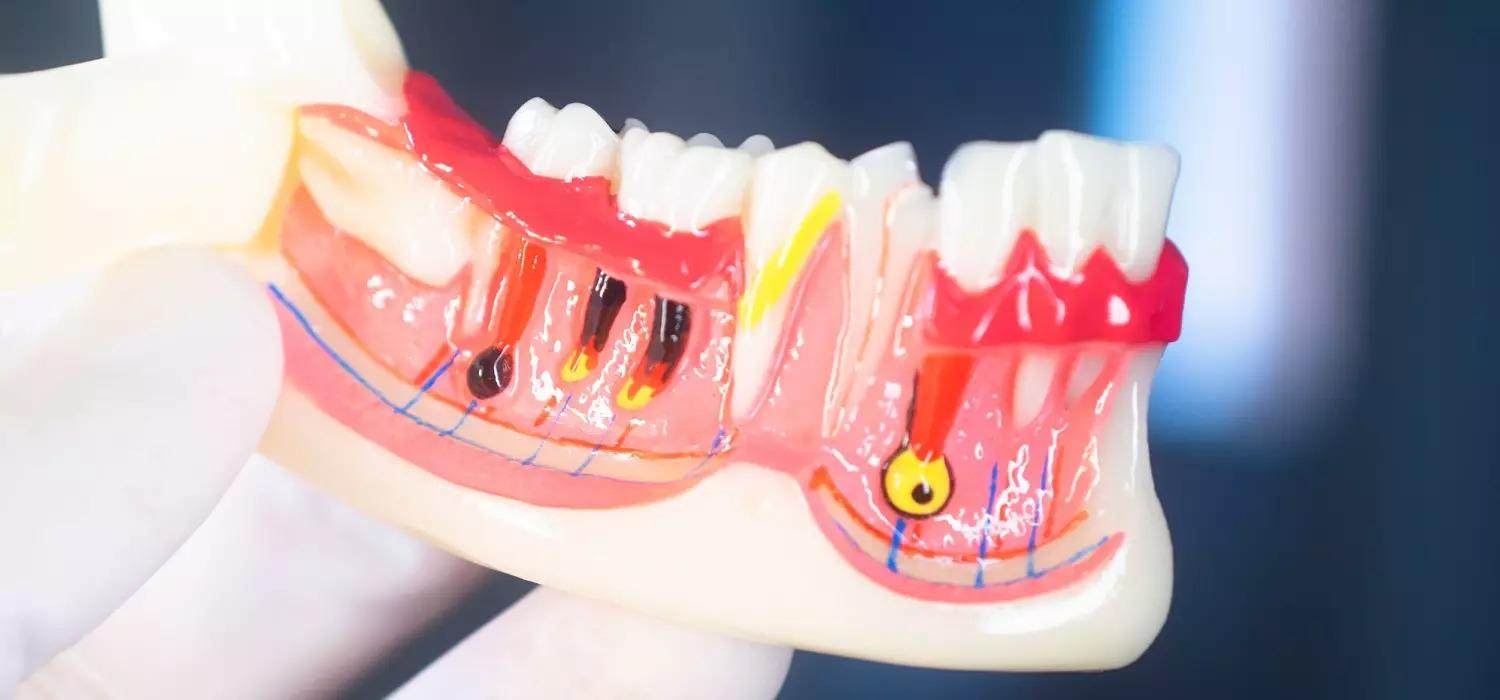
Dental health issues can sometimes progress silently, causing irreversible damage if not addressed in time. One such condition is Dental Internal Resorption, a rare but serious problem affecting the inner structure of teeth. Early detection and proper management are essential to prevent tooth loss and maintain oral health. This article explains how to identify, monitor, and treat internal resorption effectively, providing patients and dental professionals with practical guidance.
Understanding Dental Internal Resorption
Dental Internal Resorption occurs when specialized cells called odontoclasts start breaking down the dentin inside a tooth. Unlike external resorption, which affects the tooth’s outer surface, internal resorption begins within the pulp chamber and gradually moves outward.
The causes of Dental Internal Resorption include trauma, chronic inflammation, or infection of the pulp tissue. Because it often develops without obvious symptoms, patients may be unaware of the condition until significant structural damage has occurred. Early detection through regular dental checkups and imaging is critical to preserve the tooth.
Radiographs are the primary diagnostic tool for Dental Internal Resorption. Dentists look for radiolucent areas in the pulp chamber, which indicate active resorption. Detecting these changes early allows timely intervention and improves the chances of saving the affected tooth.
Common Causes and Risk Factors
Several factors can trigger Dental Internal Resorption. Trauma to the tooth, such as a blow to the mouth, excessive bite pressure, or repeated dental procedures, is a common cause. Damage to the pulp tissue initiates the resorptive process, allowing odontoclasts to erode dentin.
Chronic pulp infections, untreated cavities, and inflammation also increase the risk. Teeth that have undergone previous root canal treatments or repeated dental interventions may be more vulnerable.
Systemic conditions, including autoimmune disorders or hormonal imbalances, can contribute as well. Even frequent bleaching treatments or chemical exposure can raise susceptibility. Awareness of these risk factors helps dental professionals monitor high-risk patients and advise on preventive measures.
Early Signs and Seeking Dental Advice Today
Recognizing Dental Internal Resorption early is often challenging, as initial symptoms may be mild or absent. Common early signs include slight tooth discoloration, sensitivity to hot or cold, and a pinkish hue in the affected tooth caused by increased vascularity in the resorbing pulp.
Advanced symptoms may include pain while chewing, tooth mobility, or noticeable changes in shape. It is essential to consult Dental Advice Today when any unusual signs appear. A professional evaluation, including clinical examination and radiographic imaging, can confirm the condition and guide appropriate treatment options.
Timely professional assessment reduces the risk of complications such as root perforation, infection, or the need for extraction.
Effective Treatment Options
Treatment for Dental Internal Resorption depends on the extent of the condition. Early-stage resorption confined to the pulp is typically managed with root canal therapy. During this procedure, dentists remove the resorbing tissue, disinfect the canals, and fill the space with biocompatible material to halt further damage.
For more severe cases where the tooth structure is compromised, additional interventions may be required. Surgical options like apicoectomy or restorative procedures such as crowns can help strengthen the tooth. In extreme cases with extensive resorption, extraction may be necessary.
Consistent follow-up care is critical to monitor healing and prevent recurrence. Maintaining oral hygiene and protecting teeth from trauma are also essential steps after treatment.
Preventive Measures for Dental Internal Resorption
Although not all cases of Dental Internal Resorption are preventable, several strategies reduce risk. Protecting teeth during sports or physical activity with mouthguards can prevent trauma. Promptly treating cavities, cracks, and infections minimizes pulp inflammation that may trigger resorption.
Maintaining excellent oral hygiene, including brushing twice daily, flossing, and using antimicrobial mouth rinses, supports pulp health. Regular dental checkups allow early detection of structural changes before significant damage occurs.
Avoiding habits like teeth grinding or harsh chemical treatments, and consulting professionals for Dental Advice Today when noticing unusual dental symptoms, further helps protect teeth from internal resorption.
Conclusion
Dental Internal Resorption is a silent yet destructive condition that can compromise tooth integrity if left untreated. Early detection, understanding risk factors, and seeking professional care are key to preventing permanent damage. By practicing preventive dental care, monitoring for subtle signs, and consulting trusted sources for Dental Advice Today, patients can protect their teeth and maintain long-term oral health. Taking timely action ensures teeth remain strong, functional, and healthy for years to come.

 English
 Arabic
 French
 Spanish
 Portuguese
 Deutsch
 Dutch
Dutch
 Italiano
 Russian
 Romaian
 Portuguese (Brazil)
 Greek
Greek