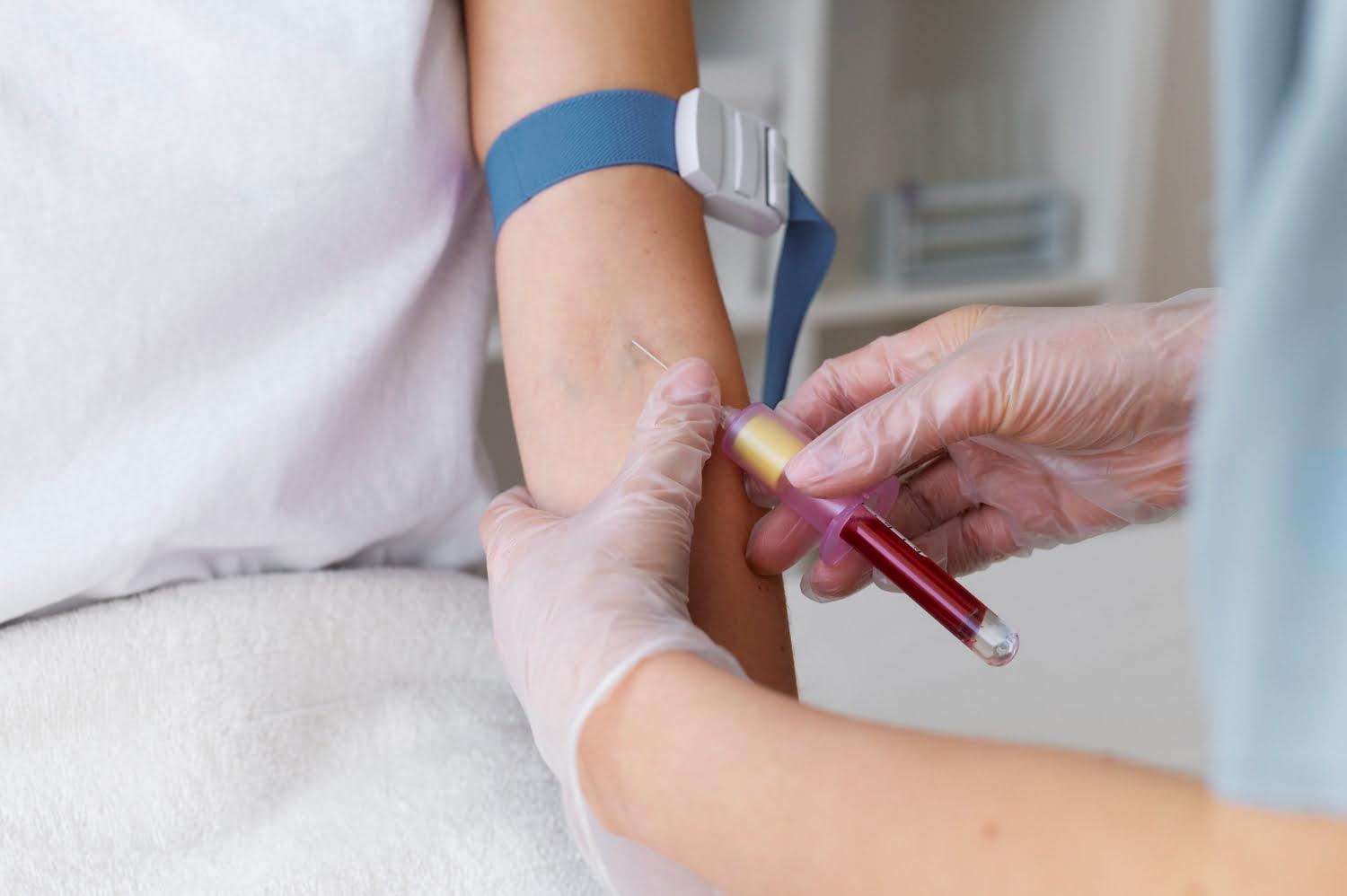
A Blood Test at Home can be a convenient and stress-free alternative for pediatric patients, allowing children to undergo necessary testing in a familiar environment. However, many children experience anxiety or fear before a blood draw, which can affect cooperation and the ease of the procedure. Proper preparation, both emotionally and practically, ensures that the child remains calm, the sample is collected efficiently, and the overall experience is positive. Parents and caregivers play a vital role in guiding children through this process with support, reassurance, and clear instructions.
Explain the Procedure in Simple Terms:
Children respond best when they understand what will happen.
-
Use age-appropriate language to describe the blood test
-
Explain that the process is quick and necessary for their health
-
Reassure them that the needle may cause a brief pinch but will not last long
-
Emphasize that the procedure is safe and performed by a professional
-
Avoid using overly technical terms or frightening descriptions
Clear and simple explanations reduce anxiety and build trust in the process.
Practice Relaxation Techniques:
Teaching children ways to stay calm can make the blood test easier.
-
Encourage deep breathing or counting exercises
-
Introduce visualization techniques like imagining a favorite place
-
Practice stretching or gentle hand movements to stay relaxed
-
Teach distraction methods such as listening to music or storytelling
-
Role-play a pretend blood test using a toy syringe or doll
Relaxation techniques help children remain calm and cooperative during the procedure.
Choose the Right Time and Environment:
Scheduling and setting can influence a child’s comfort level.
-
Select a time when the child is well-rested and fed
-
Ensure the testing area is clean, quiet, and well-lit
-
Have favorite toys, books, or devices available for distraction
-
Avoid rushing or performing the test during stressful routines
-
Keep siblings or pets at a distance to minimize distractions
A calm environment enhances safety, hygiene, and overall compliance.
Involve the Child in Preparation:
Allowing the child to participate reduces feelings of helplessness.
-
Let them choose which arm to use for the test if appropriate
-
Explain the steps beforehand and what each item will do
-
Encourage questions and answer them honestly
-
Offer small responsibilities, like holding a cotton ball after the draw
-
Use positive reinforcement to acknowledge cooperation
Participation fosters a sense of control and reduces fear of the unknown.
Provide Emotional Support and Reassurance:
Emotional readiness is as important as physical preparation.
-
Offer gentle words of encouragement and praise
-
Maintain a calm and confident demeanor as children often mirror adult emotions
-
Remind them that the procedure is temporary and for their benefit
-
Validate their feelings if they express fear or worry
-
Plan a small reward or fun activity afterward
Emotional support builds trust and reduces the child’s anxiety during the test.
Ensure Proper Hydration and Nutrition:
A child’s physical state affects both comfort and blood draw efficiency.
-
Encourage water intake before the appointment if fasting is not required
-
Offer a light snack beforehand to prevent irritability or dizziness
-
Avoid sugary or caffeinated drinks that may spike energy levels
-
Maintain regular mealtimes for younger children
-
Follow any fasting instructions provided by the testing service
Proper hydration and nutrition support smoother blood collection and overall well-being.
Explain Post-Test Care:
Children should know what happens after the procedure to reduce lingering anxiety.
-
Show them how to press the cotton ball and keep the bandage on
-
Explain that minor bruising or tenderness is normal and temporary
-
Encourage gentle use of the arm for a few hours
-
Discuss washing hands and avoiding rough play immediately afterward
-
Reinforce that they successfully completed the test and did well
Knowing what to expect post-test helps children feel safe and confident.
Use Distraction and Engagement During Collection:
Keeping a child’s mind occupied makes the procedure faster and calmer.
-
Engage them in conversation or storytelling
-
Use mobile devices or apps for interactive distraction
-
Allow them to listen to favorite music or watch videos
-
Offer toys or stress balls to hold during the draw
-
Encourage counting or simple games to focus attention away from the needle
Distraction reduces perceived pain and anxiety for both child and parent.
Follow-Up and Positive Reinforcement:
Acknowledging the child’s effort reinforces positive behavior for future procedures.
-
Praise their bravery and cooperation after the test
-
Offer small rewards, treats, or stickers as incentives
-
Discuss the importance of blood tests in maintaining good health
-
Reflect on the experience to prepare for future visits
-
Keep a positive attitude to build trust in medical procedures
Reinforcement helps children develop resilience and reduces fear of future blood tests.
Choose Experienced Home Blood Test Providers:
Professional expertise ensures a smoother and safer experience for children.
-
Certified pediatric phlebotomists trained in child-friendly techniques
-
Use of sterile, single-use needles and equipment
-
Gentle handling to minimize discomfort and anxiety
-
Accredited laboratories for accurate results
-
Adherence to hygiene, safety, and infection control protocols
Selecting experienced providers enhances safety, accuracy, and the child’s comfort during the home blood test.
Final Thoughts:
A Blood Test at Home can be a calm, safe, and efficient experience for children when proper preparation is followed. Explaining the procedure in simple terms, teaching relaxation techniques, creating a comfortable environment, providing emotional support, and involving children in the process all contribute to a positive outcome. Hydration, nutrition, distraction during the draw, and follow-up reinforcement further ease the experience. Choosing professional home blood test services ensures safety, hygiene, and accuracy, allowing children to view health monitoring as a manageable and non-threatening part of life. By adopting these preparation strategies, parents can help their children build confidence and resilience toward future medical procedures while maintaining proactive health care.


 English
 Arabic
 French
 Spanish
 Deutsch
 Turkish
 Dutch
Dutch
 Italiano
 Russian
 Romaian
 Portuguese (Brazil)
 Greek
Greek