
The Secret Behind Flawless Stitches? A Reliable Digitizer Embroidery Service
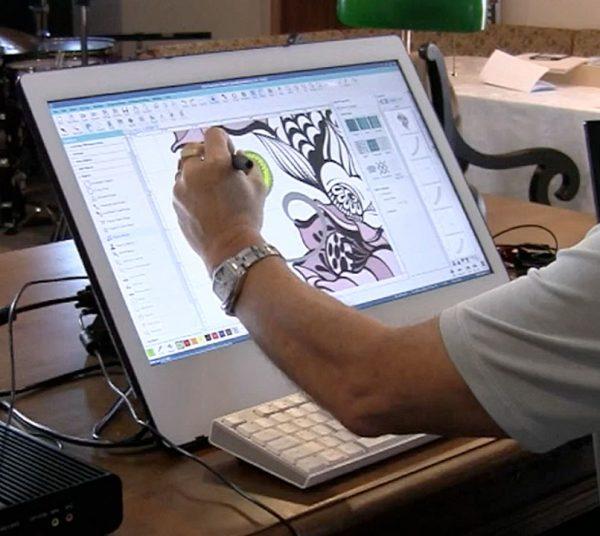
You've seen them—those perfectly embroidered logos on corporate uniforms, those crisp designs on baseball caps, those intricate patterns on fashion garments that look absolutely flawless. What's their secret? It's not magic thread or superhuman sewing skills. The real secret lies in the digital blueprint that guides every stitch, created by a professional digitizer embroidery service. While many people focus on thread quality and machine maintenance, they're missing the most critical factor in embroidery success: the digitized file that tells the machine exactly what to do. This file acts as the DNA of your embroidery project, containing thousands of precise instructions that determine whether your design will look professional or amateurish. Understanding how these services work and why they're essential could transform your embroidery results from frustrating to fantastic.
The Blueprint Analogy: Why Your Machine Needs Perfect Instructions
Think of your embroidery machine as the world's most talented construction crew. You can provide them with the best materials—premium fabric, high-quality thread, perfect stabilizer—but if you hand them a blurry, incomplete blueprint, the final building will be a disaster. This is exactly what happens when you use poor digitizing.
A professional digitizer embroidery service creates the detailed architectural plans for your embroidery project. They don't just convert your image to a different file format; they engineer a set of instructions that accounts for:
-
How different fabrics behave under tension
-
How thread interacts with various materials
-
The most efficient path for the needle to travel
-
The perfect density of stitches for each area
-
The hidden foundation stitches that prevent puckering
When you hit "start" on a professionally digitized design, you're not crossing your fingers and hoping for the best—you're executing a carefully crafted plan that's been engineered for success.
The Hidden Artistry: What Digitizers Actually Do
Many people mistakenly believe digitizing is a simple, automated process. In reality, it's a skilled craft that combines technical knowledge with artistic judgment. Here's what happens when you work with a professional service:
They Start with Deep Analysis
Before creating a single stitch point, a skilled digitizer examines your design like a detective solving a case. They identify potential trouble spots—tiny text that might become unreadable, complex details that could turn into a tangled mess, color transitions that might not stitch cleanly. They consider your specific fabric type and end use, recognizing that the same design needs different treatment on a stiff cap versus a stretchy polo shirt.
They Engineer the Invisible Foundation
The most important part of professional digitizing happens beneath the surface. Before the visible top stitches are laid down, digitizers program "underlay"—a series of foundation stitches that serve multiple crucial purposes:
Stabilization: Underlay anchors the design to the fabric, preventing shifting and distortion during high-speed stitching.
Surface Preparation: On fabrics like fleece or towels, underlay pushes down the nap, creating a smooth surface for top stitches to lie on.
Support Structure: Proper underlay makes satin stitches look plumper and prevents fill stitches from sinking into the fabric.
This invisible foundation is the primary reason why professionally digitized designs lie flat and look crisp while amateur conversions pucker and distort.
They Map the Perfect Stitch Path
A professional digitizer plans the exact sequence of operations with the precision of a military strategist. They group colors logically to minimize thread changes, plan the most efficient needle travel between design elements, and sequence sections to maintain fabric stability throughout the process. This strategic planning reduces machine runtime, minimizes thread consumption, and ensures clean registration between colors.
The Cost of Cutting Corners: Why "Good Enough" Isn't Good Enough
It's tempting to try free online converters or auto-digitizing features to save money. However, these shortcuts often cost more in the long run through:
Wasted Materials: A poorly digitized file can ruin expensive branded garments, specialty threads, and stabilizers. The cost of one ruined item often exceeds the price of professional digitizing.
Lost Time: Every failed stitch-out means time spent un-hooping, cutting away the failed attempt, re-hooping new fabric, and starting over. These minutes add up to hours of wasted productivity.
Machine Wear and Tear: Bad digitizing causes excessive thread breaks, needle breaks, and puts unnecessary strain on your machine's mechanisms.
Brand Damage: For businesses, poor-quality embroidery subtly communicates carelessness and lack of attention to detail, undermining customer confidence.
The Professional Difference: Beyond Basic Conversion
What separates professional digitizing from basic file conversion? It's the difference between a fast-food meal and a chef-prepared dinner—both might fill you up, but the experience and results are worlds apart.
Fabric-Specific Engineering
Professional digitizers don't use one-size-fits-all settings. They create custom configurations for your specific material:
-
Heavy fabrics like denim or canvas receive higher density settings
-
Stretch knits get lower density with strategic underlay to prevent distortion
-
Delicate materials like silk use lighter approaches to avoid damage
-
Plush surfaces like fleece or towels require specialized techniques to prevent sinking
Intelligent Problem-Solving
When professionals encounter challenging design elements, they have multiple solutions at their disposal:
Tiny Text: They might slightly thicken letters or choose specific stitch types that maintain readability at small sizes.
Complex Details: They know when to simplify elements without losing the design's essential character.
Color Transitions: They create clean separations between colors that might bleed together in amateur digitizing.
Shape Distortion: They use "pull compensation" to proactively adjust elements so they stitch out in their intended shapes rather than becoming distorted by fabric pull.
How to Identify a Quality Digitizing Service
Not all services deliver the same quality. Look for these indicators of a professional operation:
They Ask Questions: A good service will inquire about your fabric type, desired size, and specific requirements rather than making assumptions.
They Provide Examples: They can show you stitch-outs of their previous work, not just digital previews.
They Offer Reasonable Turnaround: Quality digitizing takes time—24-48 hours is standard for most projects.
They Stand Behind Their Work: Look for services that offer revisions if you encounter issues during testing.
They Communicate Clearly: They explain their process and provide updates rather than leaving you wondering what's happening.
The Testing Imperative: Don't Skip This Step
Even with professional digitizing, always conduct a test stitch-out before running your final project. This simple practice saves countless headaches and wasted materials. Use scrap fabric similar to your final material and watch for:
-
Clean, crisp details without excessive thread buildup
-
Flat fabric with no puckering or distortion
-
Accurate color representation
-
Proper registration between design elements
If something doesn't look right, a quality service will make adjustments to ensure your satisfaction.
Who Benefits Most from Professional Services?
While anyone can benefit from quality digitizing, certain situations make professional services particularly valuable:
Businesses: Your embroidered items represent your brand. Professional quality reinforces your reputation for attention to detail.
Special Projects: For wedding gifts, awards, or heirlooms, you want guaranteed perfect results.
Complex Designs: Designs with small text, intricate details, or challenging elements need expert handling.
Large Orders: When producing multiple items, quality digitizing ensures consistency across all pieces.
Difficult Fabrics: Specialty materials often require custom digitizing approaches.
The ROI of Professional Digitizing
View professional digitizing not as an expense but as an investment that pays returns through:
Reduced Material Waste: Perfect files mean no ruined garments or wasted supplies.
Increased Production Efficiency: Optimized stitch paths reduce machine runtime.
Enhanced Brand Perception: Quality embroidery builds customer confidence and brand value.
Time Savings: No more troubleshooting and reworking problematic designs.
Longer Product Lifespan: Properly digitized designs withstand washing and wear better.
Conclusion: The Foundation of Embroidery Excellence
The secret to flawless stitches isn't really a secret at all—it's the foundation of professional digitizing that guides every successful embroidery project. While it happens behind the scenes, its impact is visible in every crisp line, every flat surface, every perfectly executed design.
By partnering with a quality digitizer embroidery service, you're not just buying a file—you're investing in peace of mind. You're ensuring that when you hit "start" on your machine, you can watch with confidence rather than crossing your fingers. You're protecting your investment in materials, time, and for businesses, your brand reputation.
The difference between amateur and professional embroidery doesn't happen at the machine—it happens in the digital file that guides it. So for your next project, invest in quality digitizing and discover the satisfaction of watching flawless stitches build into a perfect finished product. Your designs deserve nothing less.

 English
 Arabic
 French
 Spanish
 Portuguese
 Deutsch
 Dutch
Dutch
 Italiano
 Russian
 Romaian
 Portuguese (Brazil)
 Greek
Greek