
Mini Abdominoplasty in Dubai: Benefits for Active Lifestyles
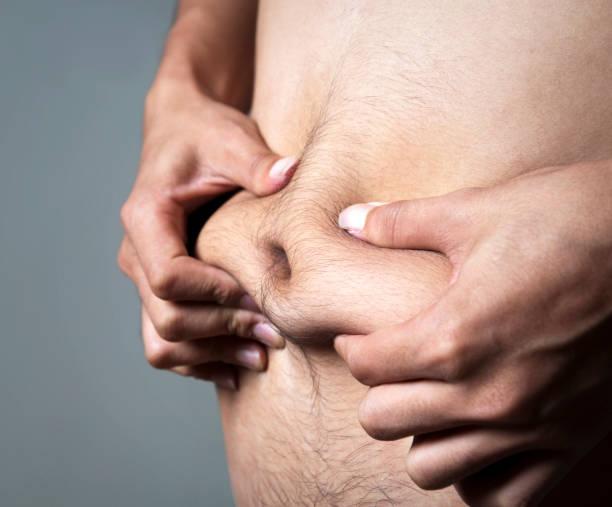
For fitness enthusiasts in Dubai, maintaining a peak physical form is often a lifestyle priority. However, many dedicated athletes and gym-goers encounter a specific physiological plateau: a localized lower abdominal "pooch" or skin laxity that remains unaffected by high-intensity interval training (HIIT) or strict dieting. This tissue is often the result of biological factors like genetics or previous pregnancy, rather than a lack of effort. A Mini Abdominoplasty in Dubai serves as a strategic "finishing touch" for the active individual, removing the physical barrier of excess skin to reveal the muscle definition beneath.
Why Athletes Choose the "Mini" Over the Full Procedure
In clinical settings, we observe that the mini tuck is often the preferred choice for those with an active lifestyle due to its anatomical specificity and reduced impact on overall core mechanics.
-
Muscle Preservation: Since a mini tuck typically avoids the extensive upper muscle repair of a full abdominoplasty, the overall "functional strength" of the core is preserved.
-
Reduced Downtime: Active patients are often eager to return to their routines. The recovery window is significantly shorter, allowing for a faster return to light activity.
-
Enhanced Definition: By removing the "apron" of lower skin, the underlying muscle definition—especially in the lower obliques—becomes immediately visible.
-
Improved Mobility: Eliminating redundant skin can reduce friction and discomfort during high-movement activities like running or cycling.
What are the Actual Pain Levels During an Active Recovery?
Can I handle the discomfort if I’m used to intense training?
Most active patients find the recovery from a Mini Abdominoplasty in Dubai very manageable. In clinical settings, the post-operative discomfort is typically rated at a 4/10 for the first few days. Patients often compare the sensation to an "extreme case of delayed onset muscle soreness (DOMS)." Based on post-procedure follow-ups, those with higher baseline fitness levels often report a smoother transition back to mobility, provided they respect the body's need for initial rest.
Step-by-Step Sensations: Returning to the Gym
The transition from the operating table back to the treadmill follows a specific sensory timeline that must be respected to protect the surgical result.
-
Week 1 (The "Walking" Phase): You will feel a "tightness" in your lower core. We encourage slow, flat-surface walking to maintain circulation.
-
Week 3 (The "Low-Impact" Phase): The initial "internal pressure" subsides. You may feel ready for stationary cycling or light walking on an incline, but "twisting" movements may still feel sensitive.
-
Week 6 (The "Full Release" Phase): In clinical settings, this is usually when we clear patients for resistance training. The sensation of "fragility" is replaced by a feeling of a "tighter, more supported" core.
-
Month 3 (The "Peak" Phase): The internal scar tissue has softened sufficiently for full-range movements, including yoga and heavy lifting.
Safety Considerations: The "Over-Achiever" Risk
Why must active patients be cautious during recovery?
The biggest clinical risk for fit patients is "doing too much too soon." Even if you feel great, internal healing takes time.
-
Suture Strain: Lifting heavy weights before the 6-week mark can cause internal sutures to "cheese-wire" through the tissue, compromising the muscle repair.
-
Increased Swelling: Pushing your heart rate too high too early can lead to a "rebound" in swelling, which can prolong the recovery by several weeks.
-
Incision Tension: High-impact movements like jumping (plyometrics) can put mechanical stress on the fresh incision, potentially widening the scar.
-
Dehydration: Active patients must be extra vigilant with water intake to support the metabolic demands of tissue repair.
Why Choose Tajmeels Clinic for Your Athletic Restoration?
At Tajmeels Clinic, we understand that for our active patients, their body is their instrument. We specialize in "Sports-Focused Abdominoplasty," a technique that prioritizes the preservation of the lateral abdominal muscles while removing the distracting lower skin pouch. Our surgeons work with you to plan a "Surgical Off-Season," ensuring your procedure and recovery align with your fitness goals. We provide specialized post-op guidance on how to safely re-engage your core without risking your results. By choosing Tajmeels Clinic, you are choosing a partner who values your dedication to fitness as much as you do, providing a result that complements your hard work in the gym.
Genuine Patient Perspectives
"I’m a regular at the gym, but after my kids, I had this loose skin that no amount of leg raises could fix. The mini tuck at Tajmeels was the perfect solution. The recovery was quick enough that I didn't lose my momentum, and now my lower abs actually show through."
— Marcus
"Being an active person, I was terrified of being 'out of action.' The team at Tajmeels gave me a very clear week-by-week plan for getting back to my runs. I felt supported the whole time. Now, I feel so much more aerodynamic and confident when I’m training."
— Elena
Frequently Asked Questions
Will a mini tuck give me "six-pack" abs?
It removes the skin covering the muscles, making your natural definition much more visible. It does not "create" muscles you haven't trained.
Can I do core exercises like planks after surgery?
In clinical settings, we advise waiting 6 weeks before performing direct, heavy core-loading exercises like planks or crunches.
Does the compression garment interfere with exercise?
Initially, yes. But once you move to "light activity" (Week 3), the garment actually provides helpful support and reduces "jiggling" discomfort.
How soon can I go back to swimming?
You must wait until the incision is 100% closed and the scabs have fallen off, typically around 3 to 4 weeks, to avoid infection.
Will I lose my "gains" during recovery?
While you may lose some temporary muscle fullness, your long-term "muscle memory" will allow you to bounce back quickly once cleared for exercise.
Can I take my pre-workout supplements?
We advise stopping all stimulants and blood-thinning supplements (like high-dose caffeine or fish oil) for 2 weeks before and after surgery.

 English
 Arabic
 French
 Spanish
 Portuguese
 Deutsch
 Turkish
 Dutch
Dutch
 Italiano
 Russian
 Portuguese (Brazil)
 Greek
Greek