
Protecting Your Skin: Safe Mole Removal in Dubai for Sun-Exposed Areas
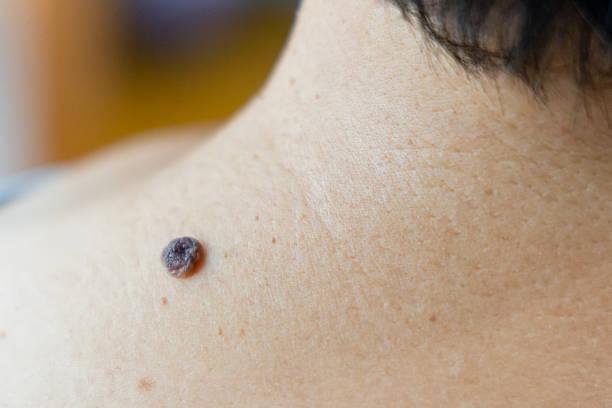
In the UAE, our skin is in a constant dialogue with the sun. When considering mole removal in Dubai, areas like the forearms, neck, and "V" of the chest require a more nuanced clinical approach. These zones often harbor "solar elastosis"—skin that has become thickened or weathered by chronic UV exposure. Because sun-exposed skin can be more reactive and prone to lingering redness, the removal process must be calibrated to protect the skin’s compromised barrier. By utilizing advanced cooling technologies and pigment-stable lasers, we can safely remove lesions while ensuring the surrounding "sun-kissed" skin remains healthy and uniform in tone.
The Clinical Reality of Removing Moles on UV-Impacted Skin
In clinical settings, we observe that sun-exposed moles often sit on a background of mottled pigmentation or fine sun damage. A diagnostic-first evaluation is essential here. We use high-definition dermatoscopy to distinguish between a benign mole and an "actinic" lesion caused by sun damage. Once confirmed as benign, we select removal settings—typically a fractionated CO2 laser or Radiofrequency—that deliver energy in ultra-short bursts. This prevents "heat spread," which is the primary cause of scarring in skin that has already been stressed by years of Dubai’s intense UV index.
Technology Match for Sun-Exposed Zones
Matching the removal method to the level of sun exposure ensures the site blends seamlessly with your existing skin tone.
| Feature | CO2 Ultra-Pulse Laser | Micro-Radiofrequency | Surgical Shave |
| Best For | Thin, sun-damaged skin | Raised moles on the neck | Deep-rooted body moles |
| Heat Impact | Minimal/Localized | Very Low | None |
| Healing Time | 5–7 Days | 7–10 Days | 10–14 Days |
| PIH Risk | Low (with care) | Very Low | Minimal |
| UV Protection | Critical (12 weeks) | Critical (12 weeks) | High (12 weeks) |
What Does the Sensation Feel Like in These Areas?
Patients often report that removing moles on sun-exposed areas like the arms or shoulders is "surprisingly painless," feeling more like a quick series of warm "taps." Because these areas are less sensitive than the face, the local anesthetic works exceptionally well.
Based on clinical follow-ups, the "recovery" sensation in these zones is often described as "unnoticed." Unlike the face, where you are constantly aware of a healing spot, body areas heal quietly. However, what patients must watch for is "incidental" sun exposure—the UV that hits your arm while driving or walking to your car—which can cause a slight stinging sensation on the fresh site if not properly shielded.
"I had three moles removed from my outer arm. I was worried they would look white against my tan, but the clinic's advice on using a specific sun-patch made them heal perfectly flush and the same color as the rest of my arm." — Saeed
The Sun-Safe Recovery Timeline
Healing in a high-UV environment requires a "shield-first" mindset.
-
Day 1–3 (The Occlusion Phase): The site is kept under a physical barrier (bandage). This prevents the sun and dust from reaching the raw tissue.
-
Days 4–10 (The Regeneration Phase): A small scab forms and sheds. The new skin underneath is "virgin" skin—it has no melanin to protect it from the sun.
-
Week 2 to 12 (The Maturation Phase): This is the most critical window. Even "brief" sun exposure can turn this pink spot into a permanent brown mark.
-
Month 4: The site has built enough resilience to match the surrounding sun-exposed skin's texture and color.
Why UV-Mapping is Part of Your Diagnostic Check
We observe that moles in sun-exposed areas often have "eccentric" pigment patterns due to UV stimulation. Our diagnostic-first philosophy involves mapping these patterns to ensure they are benign. By identifying "starburst" patterns or "peripheral globule" networks, we can decide if a mole is growing naturally or if it has been "irritated" by the sun. This diagnostic rigor allows us to remove the mole with the confidence that we are protecting your long-term dermatological health, not just your aesthetic appearance.
Who Should Take Extra Care?
Safe removal in the sun requires specific patient profiles to be more vigilant:
-
Outdoor Enthusiasts: Golfers, swimmers, and desert explorers must time their treatment during a "low activity" week.
-
Daily Drivers: The "driver's arm" (left arm in the UAE) receives massive amounts of UVA through the window; this arm needs extra thick zinc protection.
-
Recent Tanners: If you have a fresh sunburn or a "peeling" tan, we will reschedule the procedure for 2 weeks later to ensure the skin barrier is stable.
Clinical Strategies for a Seamless Result
To prevent the "white spot" or "dark spot" look often seen in poor removals, we recommend:
-
Zinc-Only Blockers: Physical sunscreens (Zinc/Titanium) reflect UV rays rather than absorbing them, which keeps the healing site "cool."
-
Silicone Sun-Patches: We often recommend small, flesh-colored silicone patches that provide both scar-compression and 100% UV blockage.
-
Antioxidant Support: Once the skin has closed (Day 10), using a topical Vitamin C can help the new skin defend itself against environmental stress.
"The moles on my chest always turned red when I was at the beach. After removing them at Tajmeels, the area looks so much cleaner. I just make sure to use my 'dot' bandages if I'm out in the sun." — Elena
Why Choose Tajmeels Clinic for Your Procedure?
At Tajmeels Clinic, we understand the unique dermatological landscape of the UAE. We specialize in mole removal in Dubai by focusing on the specific needs of sun-exposed skin. Our clinicians combine a diagnostic-first approach with high-precision technology to ensure your removal is safe, effective, and aesthetically perfect. We provide you with a comprehensive "sun-safety" protocol, ensuring that your journey to clear skin is protected from the elements every step of the way. Trust us to handle your skin with the professional rigor and care it deserves.
Frequently Asked Questions
Will the removal site look different if I have a tan?
Initially, yes. The new skin will be pink, which creates a contrast with your tan. However, as the skin matures over 3 to 6 months, it will naturally begin to pick up pigment and blend into your surrounding skin tone.
Can I go for a desert safari after the procedure?
We recommend waiting at least 7 days. The heat, sweat, and blowing sand can irritate a fresh removal site. If you must go, the area must be strictly covered with a waterproof, UV-proof bandage.
Is it safer to remove moles in the winter in Dubai?
While you can remove moles year-round at Tajmeels, many patients prefer the cooler months when they are less likely to be sweating or spending long hours in direct sunlight, making the aftercare slightly "easier."
Does sun-exposed skin scar more easily?
It can if it is "thin" from sun damage. However, by using our ultra-pulse laser settings, we minimize the heat impact, allowing even sun-stressed skin to heal with minimal marking.
Can I use a tanning bed after mole removal?
No. Tanning beds provide concentrated UV radiation that is devastating to healing tissue. You should avoid tanning beds for at least 6 months following any dermatological procedure.

 Arabic
 French
 Spanish
 Portuguese
 Deutsch
 Turkish
 Dutch
Dutch
 Italiano
 Russian
 Romaian
 Portuguese (Brazil)
 Greek
Greek