
Why Learning Making Leather Armor and Studded Leather Armor Skills Matters Today
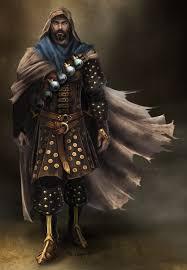
The art of making leather armor connects history, creativity, and hands on skill in a way few crafts can. This practice goes far beyond costume work. It teaches material understanding, patience, and structural design. Leather behaves differently from fabric or metal, and learning how to cut, shape, harden, and finish it builds real craftsmanship. Many people are now turning toward heritage skills because digital work dominates daily life. Working with leather brings back the satisfaction of creating something physical, durable, and functional. It also helps learners understand historical warfare, protective gear evolution, and the ingenuity of ancient armorers.
Understanding Materials and Techniques
Leather armor making requires knowledge of hide types, thickness, and treatment processes. Vegetable tanned leather is often preferred because it can be molded and hardened. Crafters learn wet forming, carving, stitching, and edge finishing. Each step demands precision. Even small measurement errors affect comfort and mobility. Through this process, students develop attention to detail and problem solving abilities. These techniques are also transferable to other leather goods such as bags, belts, and accessories.
Blending History with Modern Creativity
Armor crafting is not just historical reproduction. Modern designers blend traditional methods with fantasy themes, theater costuming, film production, and reenactment. This opens career and hobby opportunities. Learning the foundations allows creators to experiment with patterns, textures, and decorative elements while maintaining structural integrity. It encourages artistic expression while staying rooted in functional design.
Skill Development Beyond the Workshop
The discipline required for leather armor crafting builds patience and focus. Measuring, pattern drafting, and hand stitching train the mind to work methodically. These skills improve overall craftsmanship and design thinking. Many learners find the process therapeutic because it requires deep concentration and steady hands. It also builds confidence, since completing an armor piece is a complex achievement.
Why This Craft Is Gaining Popularity
Interest in historical crafts, live action role play, cosplay, and historical reenactment has increased worldwide. People want authentic gear made with proper techniques rather than mass produced imitations. Learning how to create pieces like studded leather armor allows makers to combine protection inspired design with aesthetic detailing. This style demonstrates how decorative elements can reinforce structure while enhancing visual appeal. Mastering such projects proves the balance between beauty and function that defines quality craftsmanship.
FAQs
What type of leather is best for beginners
Vegetable tanned leather is ideal because it can be shaped, carved, and hardened easily.
Is leather armor strong enough for real protection
It offers limited protection compared to metal but was historically effective against cuts and light impacts.
How long does it take to learn leather armor making
Basic skills can be learned in weeks, but mastering design and construction takes consistent practice.
Do I need special tools to start
A few essential tools such as a knife, stitching tools, punches, and edge finishers are enough for beginners.

 English
 French
 Spanish
 Portuguese
 Deutsch
 Turkish
 Dutch
Dutch
 Italiano
 Russian
 Romaian
 Portuguese (Brazil)
 Greek
Greek