
The Empty Shelf Problem: An Introduction to OSA Solutions
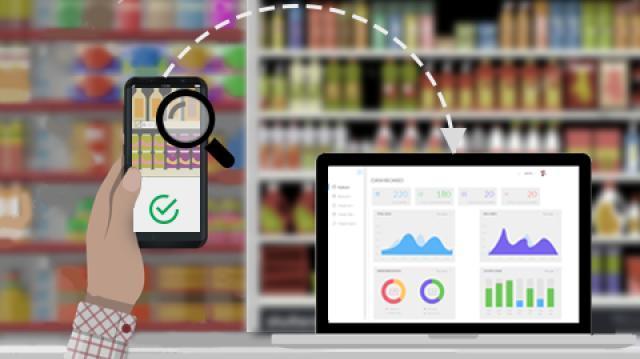
In the fast-paced world of retail, there is no bigger source of lost sales and customer frustration than an empty shelf. The challenge of ensuring that the right product is in the right place at the right time is a constant battle for retailers and consumer brands. Addressing this critical issue is the specialized field of the On-Shelf Availability Solution (OSA), a suite of technologies and processes designed to monitor, measure, and improve product availability at the point of sale. This focus on the "last 50 yards" of the supply chain is fueling a significant and growing market, with projections indicating its value will climb to USD 8.98 billion by 2035. This expansion, advancing at a strong 10.22% CAGR, highlights the industry's increasing reliance on data and automation to perfect the retail execution.
At its core, an On-Shelf Availability (OSA) solution is designed to answer one simple question: is the product actually available for a customer to purchase? This goes far beyond just knowing if the product is in the store's backroom. It means verifying that the product is physically on the correct shelf, in the correct location, with the correct price tag, and not sold out. This problem, known as an "out-of-stock" (OOS) event, is a major source of lost revenue. If a customer cannot find the product they are looking for, they may buy a competitor's product, go to a different store, or simply abandon the purchase altogether, leading to a direct loss for both the retailer and the brand.
Traditional methods for monitoring OSA have been manual and inefficient. This typically involves store employees or brand representatives physically walking the aisles with a clipboard or a simple scanning device to check for empty shelves. This process is time-consuming, prone to human error, and only provides a brief snapshot in time. Modern OSA solutions aim to automate and improve this process through technology. This includes using a variety of data sources, from point-of-sale (POS) data and inventory records to more advanced technologies like in-store cameras and robotics, to get a more accurate and real-time picture of what is happening on the shelf, enabling faster and more effective intervention.
The benefits of a robust OSA solution are significant. For retailers, it leads directly to increased sales and improved customer satisfaction. A well-stocked shelf means happier shoppers who can find what they need, leading to greater loyalty. For consumer packaged goods (CPG) brands, it ensures that their significant investments in marketing and promotions are not wasted by having their product unavailable at the crucial moment of purchase. By providing real-time alerts about out-of-stock situations, these solutions allow store staff or field representatives to quickly restock the shelf, replenish inventory from the backroom, or correct misplaced items, directly recovering potentially lost sales and protecting brand equity.
Top Performing Market Insight Reports:

 English
 Arabic
 French
 Spanish
 Portuguese
 Deutsch
 Turkish
 Dutch
Dutch
 Russian
 Romaian
 Portuguese (Brazil)
 Greek
Greek