
How to Identify Garage Door Damage Before It Gets Worse
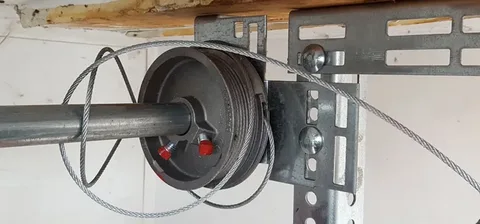
A garage door is the largest moving component of your home and often serves as the primary entrance for many families. In Mannford, OK, where seasonal temperature shifts and high winds can put significant stress on mechanical systems, staying ahead of wear and tear is essential for home safety. Identifying minor issues early prevents them from escalating into expensive emergency situations or structural failures that compromise your home's security.
Neglecting small signs of trouble can lead to a complete system breakdown at the most inconvenient times. By prioritizing professional damaged garage door repair in Mannford, OK at the first sign of trouble, you protect your investment and ensure your family's daily routine remains uninterrupted. Understanding the early warning signs of damage allows you to take proactive steps toward a more reliable and durable garage door system.
Recognizing Unusual Auditory Cues and Noises
One of the most common indicators of impending garage door failure is a change in the sound it makes during operation. While no garage door is completely silent, certain noises signify that internal components are struggling under excessive friction or weight.
Squeaking and Grinding Sounds
High-pitched squeaking often points to a lack of lubrication on the rollers or hinges. If left unaddressed, this friction can wear down metal parts until they snap. Grinding noises are typically more serious, often indicating that the track is misaligned or that the rollers themselves are flat and dragging along the metal rather than spinning.
Banging or Popping Noises
A sudden popping sound usually suggests a problem with the torsion springs. These springs are under immense tension and are responsible for lifting the heavy weight of the door. If you hear a loud bang, the spring may have reached the end of its life cycle and require immediate professional attention to avoid a total collapse of the door.
Observing Physical Misalignment and Structural Sagging
Visual inspections can reveal a great deal about the health of your garage door system. Over time, the heavy panels can shift, and the cables that guide them can become frayed or loose, leading to a door that no longer sits level.
Uneven Gaps and Slanted Closing
If you notice that one side of the door touches the ground before the other, the cables or springs are likely unevenly tensioned. This puts a massive strain on the garage door opener as it tries to compensate for the imbalance. A slanted door also creates gaps that allow pests and moisture to enter your garage, potentially damaging the items stored inside.
Sagging Sections and Dented Panels
In 2026, many Mannford homes utilize modern insulated panels, but these can still sag if the internal supports are compromised. Dents from minor vehicle impacts or storm debris may seem cosmetic, but they can alter the weight distribution of the door. This imbalance causes the tracks to bend and the rollers to pop out, leading to a dangerous situation where the door becomes stuck in the open or closed position.
Testing the Balance and Safety Sensors
A healthy garage door should be perfectly balanced, meaning the springs are doing the work rather than the electric motor. You can test this by disconnecting the opener and lifting the door halfway by hand; it should stay in place without sliding up or down.
Sensor Obstructions and Signal Failure
The safety sensors located at the base of the door tracks are designed to prevent the door from closing on people, pets, or vehicles. If the door reverses for no apparent reason, the sensors may be dirty or misaligned. Continuous failure of these sensors is a major safety liability and indicates that the electrical components of your system are beginning to fail.
Frequently Asked Questions
Why does my garage door vibrate so much when it opens? Vibration is usually caused by loose hardware or worn-out rollers. Over time, the nuts and bolts holding the tracks and panels together can vibrate loose, leading to a shaky and loud operation.
How often should I lubricate my garage door components? For the climate in Mannford, it is recommended to lubricate the rollers, hinges, and springs every six months. This prevents rust from forming during humid months and reduces friction during the cold winter season.
Is it safe to repair a broken garage door spring myself? No. Garage door springs are under extreme tension and can cause severe injury or death if they snap during a DIY repair. This task should always be handled by a trained technician with the proper tools.
How long do garage door rollers typically last? Standard nylon or steel rollers usually last between five and seven years. If you notice the rollers are chipped, cracked, or no longer spinning freely, they should be replaced to prevent track damage.

 Arabic
 French
 Spanish
 Portuguese
 Deutsch
 Turkish
 Dutch
Dutch
 Italiano
 Russian
 Romaian
 Portuguese (Brazil)
 Greek
Greek