
How Marine Pipe Insulation Improves Energy Efficiency and Safety
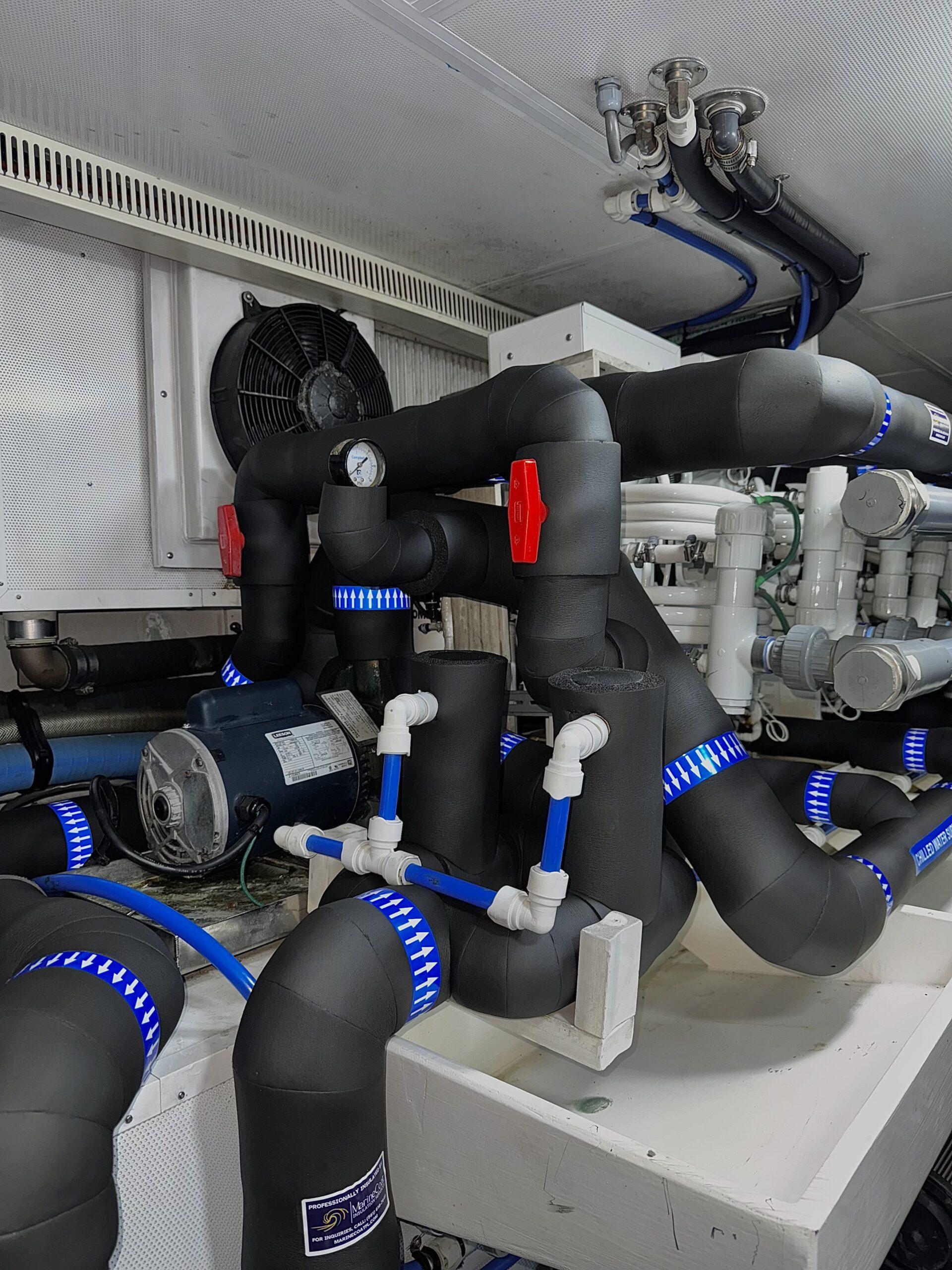
Marine environments, with their harsh conditions, pose a unique set of challenges to vessel operators. One of the most effective solutions to these challenges is marine pipe insulation, which plays a vital role in both improving energy efficiency and enhancing safety. By addressing the need for temperature control, reducing operational costs, and ensuring safety standards are met, marine pipe insulation has become a critical component of modern vessel systems. In this article, we explore how marine pipe insulation contributes to energy conservation and boosts safety on ships and other marine vessels.
The Role of Marine Pipe Insulation in Energy Efficiency
When it comes to marine vessels, energy efficiency is crucial for lowering operational costs and minimizing environmental impact. One of the most effective ways to enhance energy efficiency is by insulating the pipes that carry fluids, gases, and steam throughout the ship. Marine pipe insulation helps maintain the desired temperature of fluids inside the pipes, preventing heat loss or gain.
Marine insulation companies specialize in providing insulation materials that can withstand the challenging marine environment, including high moisture levels, extreme temperatures, and constant movement. Insulating pipes on a vessel ensures that the heat generated by systems like engines, boilers, and exhaust pipes is not lost to the surroundings, allowing the ship to use less energy to maintain the required temperature levels.
In addition, reducing heat loss means that the vessel’s energy consumption is optimized. Insulation improves the performance of heating systems and helps vessels operate more efficiently, which, in turn, lowers fuel consumption and reduces the carbon footprint. As a result, marine pipe insulation is not only cost-effective but also environmentally friendly, which aligns with the growing trend toward sustainability in the shipping industry.
Improving Safety with Marine Pipe Insulation
Safety is always a priority in maritime operations, especially considering the hazards associated with high temperatures and flammable materials. Marine pipe insulation plays a vital role in reducing these risks by providing a protective barrier that prevents direct contact with hot pipes.
In areas where pipes transport steam, hot water, or other high-temperature materials, uninsulated pipes present a significant burn hazard to crew members and passengers. By installing quality marine pipe insulation, ship operators ensure that these pipes are properly covered, significantly reducing the chances of burns and injuries in high-risk areas.
Furthermore, proper insulation also reduces the risk of fire hazards. Without insulation, hot pipes can cause nearby combustible materials to overheat and catch fire. Marine pipe insulation serves as a protective layer that minimizes this risk, contributing to the overall safety of the ship and its occupants. This is especially important in confined spaces where the proximity of pipes to other materials makes the risk of fire higher.
Enhancing Longevity and Durability of Ship Systems
Marine pipe insulation not only improves energy efficiency and safety but also helps to extend the lifespan of a vessel's systems. Exposure to harsh environmental conditions, such as seawater and temperature fluctuations, can cause pipes to corrode and degrade over time. Insulation materials act as a protective layer, shielding pipes from external elements and minimizing the risk of corrosion and damage.
By preventing rust and deterioration, marine pipe insulation ensures that the pipes remain in good condition for longer periods. This reduces maintenance costs and downtime, as ship operators can avoid costly repairs and replacements. Moreover, keeping pipes insulated means that systems operate more efficiently and with less strain, contributing to the overall durability of the vessel.
Types of Marine Pipe Insulation Materials
Marine pipe insulation is available in a variety of materials, each offering unique benefits based on the specific needs of the vessel. Some of the most common materials used by marine insulation companies include:
-
Fiberglass Insulation: Known for its excellent thermal resistance and moisture resistance, fiberglass insulation is one of the most popular choices for marine pipe insulation. It effectively reduces heat loss and provides fire resistance.
-
Calcium Silicate Insulation: This material is ideal for applications where high-temperature resistance is needed. Calcium silicate is often used in steam pipes and other high-temperature systems.
-
Mineral Wool Insulation: Offering both thermal and acoustic insulation properties, mineral wool is commonly used for pipe insulation in engine rooms, where soundproofing and heat control are both required.
-
Foam Insulation: Closed-cell foam insulation provides excellent thermal performance and is commonly used in marine environments because of its resistance to water and high humidity levels.
Each type of insulation material has its own set of advantages, making it important for ship operators to consult with marine insulation companies to select the best material based on their vessel's needs.
The Economic Benefits of Marine Pipe Insulation
Investing in marine pipe insulation yields long-term economic benefits for shipping companies. Although the upfront cost of installing high-quality insulation materials may seem substantial, the savings generated over time far outweigh the initial investment. By reducing energy consumption, insulation helps ships operate more efficiently, ultimately leading to significant fuel savings.
Additionally, with enhanced safety standards and reduced risk of equipment failure, marine pipe insulation contributes to lower insurance premiums. Insurance companies recognize the reduced risk of fire and damage on ships with proper insulation, which can result in cost savings for operators. These economic advantages are compelling reasons for marine operators to prioritize pipe insulation in their vessel maintenance programs.
Conclusion
Marine pipe insulation is a vital investment for any maritime operation. It offers substantial benefits in terms of energy efficiency, safety, and the longevity of vessel systems. By ensuring that pipes maintain the desired temperature, reducing heat loss, and preventing dangerous situations such as burns and fires, marine pipe insulation proves its worth in safeguarding both the environment and the crew.
For marine operators, partnering with trusted marine insulation companies and selecting the appropriate materials can lead to substantial operational savings, enhanced safety, and a reduced environmental footprint. With the growing emphasis on sustainable shipping practices and safety regulations, incorporating marine pipe insulation is no longer optional but a necessary measure for modern vessels.

 English
 French
 Spanish
 Portuguese
 Deutsch
 Turkish
 Dutch
Dutch
 Italiano
 Russian
 Romaian
 Portuguese (Brazil)
 Greek
Greek